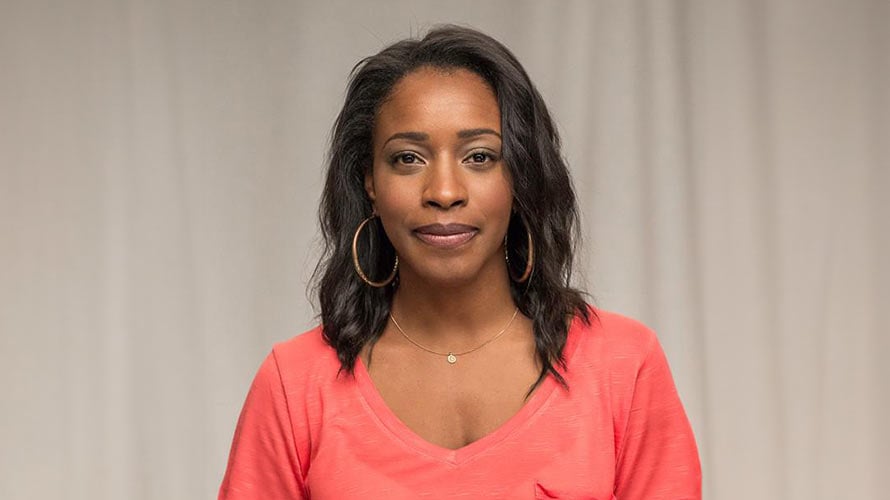

A Passionate Team Giving You Access to Every Treatment Option.
When it comes to cancer care, several expert opinions are better than one. Moffitt Cancer Center’s skin cancer team consists of surgeons, medical oncologists, radiation oncologists, dermatologists, plastic surgeons, nurses, and others, each one an expert in a specific part of cancer care.
This expert team discusses your case together, developing a tailored cancer care plan that takes into consideration the latest treatment options as well as your personal history. Your team then guides you through the cancer care process, ensuring you're on the best path throughout treatment.

Top 1% of Cancer Centers
We're ranked among the top centers by Newsweek and U.S. News & World Report.
Revolutionary Treatment Available for You Now
Moffitt offers a full range of treatment options, including chemotherapy, radiation and surgery. Through our clinical trials program, Moffitt’s skin cancer experts are also developing new groundbreaking treatments for patients, including a new type of treatment called immunotherapy.
Immunotherapy uses a patient’s own immune cells instead of drugs to fight cancer. Tumor infiltrating lymphocyte therapy (TIL) is an especially exciting form of immunotherapy that shows promise in melanoma and other solid tumors. Once FDA approved, this new therapy is expected to further improve patient outcomes.

The Power of Prevention and Early Detection
When detected early, common forms of skin cancer can have a survival rate higher than 95%.
Knowing your risks for skin cancer and practicing sun safety greatly reduces your chance of having skin cancer. Anyone can get skin cancer, including melanoma, regardless of skin type or color. Exams by your primary care doctor or dermatologist and checking your own skin can help find many skin cancers early.
-
Risk Factors
- Skin that freckles and burns easily
- Red or blonde hair
- Blue or green eyes
- Prolonged sun exposure
- History of sunburn
- Indoor tanning habit
- Certain types of moles
-
Sun Safety Tips
- Seek shade
- Wear sun-protective clothing
- Use water-resistant sunscreens with broad spectrum protection with a sun protection factor (SPF) 30 or higher
- Generously apply and reapply sunscreen
- Wear sunglasses that block 99-100 percent of UVA and UVB rays
- Wear a hat with at least a 2-3-inch brim all around
- Avoid tanning beds and sun lamps
-
How to Check for Moles
To understand the difference between a common mole and an atypical mole, remember the “ABCDE” acronym:
- Asymmetry – Unlike common moles, which tend to be evenly proportioned, atypical moles are often asymmetrical. In other words, a line drawn through the middle of the mole would not create two matching halves.
- Borders – While common moles typically have distinct borders, atypical moles tend to have “hazy” or irregular borders. Instead of forming a sharply defined outline, the edges of the mole may appear to gradually fade into the surrounding skin.
- Color – Common moles are uniform in color and may be brown, tan or pink. In contrast, atypical moles are irregular in color and may include several shades of black, brown, blue or red.
- Diameter – Most atypical moles measure at least .25 inches in diameter and are larger than a pencil eraser.
- Evolution – Noticeable changes in a previously stable mole or the appearance of a new mole after age 40 warrant evaluation by a physician.
Our Melanoma and Skin Cancer research program is changing how skin cancer is treated and prevented. Together, Moffitt experts have developed some of the most promising treatments to date even for the rarest skin cancers.
This unified approach distinguishes Moffitt from other treatment centers. We work together to provide faster answers, more treatment options and better outcomes for you.

-
Skin Cancer Surgeons
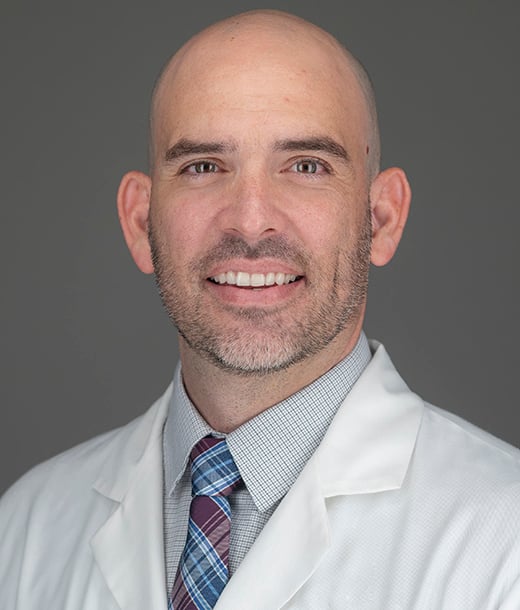
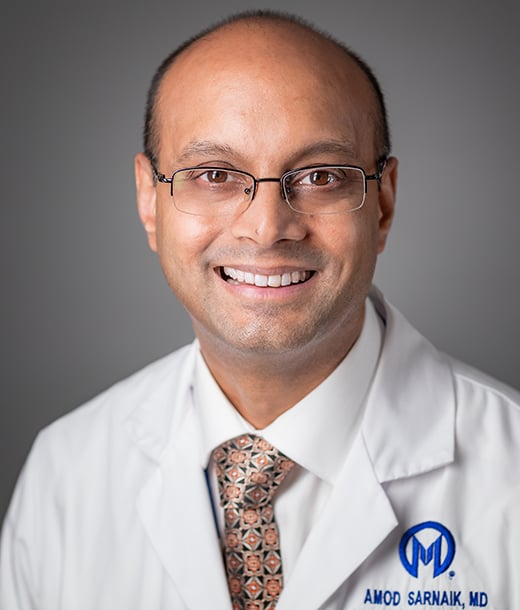
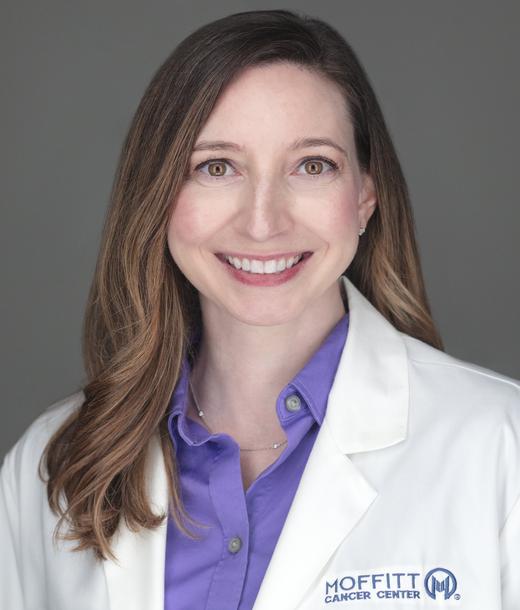
Meet the surgical oncologists who specialize in treating skin cancer.
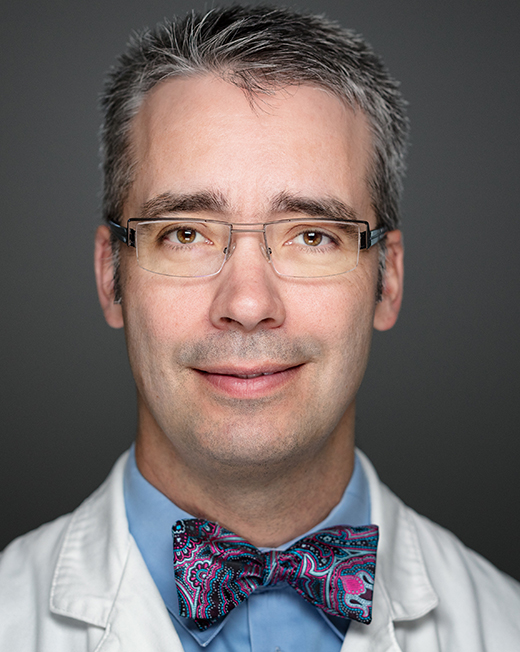 Department Chair, SarcomaProgram Lead, Sarcoma
Program
Sarcoma
Title
Chief, Surgery Service; Chair, Sarcoma Department
Specialty
Surgery
4.9 (68)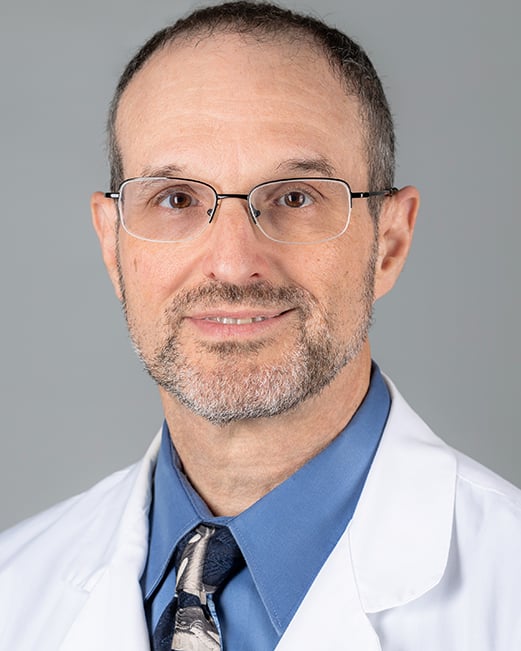 Department Chair, Cutaneous OncologyProgram Lead, Cutaneous Oncology
Program
Cutaneous Oncology
Title
Chair, Department of Cutaneous Oncology
Specialty
Surgery
4.9 (362)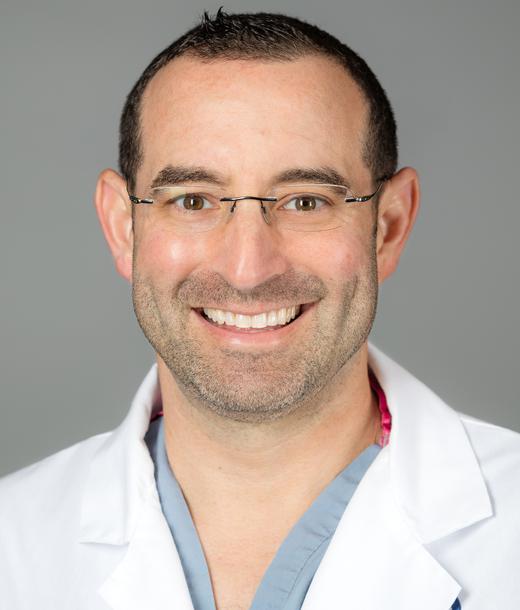
Program
Cutaneous Oncology
Title
Chief Academic Officer; Chair, USF Department of Oncologic Sciences
Specialty
Surgery
4.9 (412)
-
Skin Cancer Dermatologists
Meet the dermatologists who specialize in treating skin cancer.
-
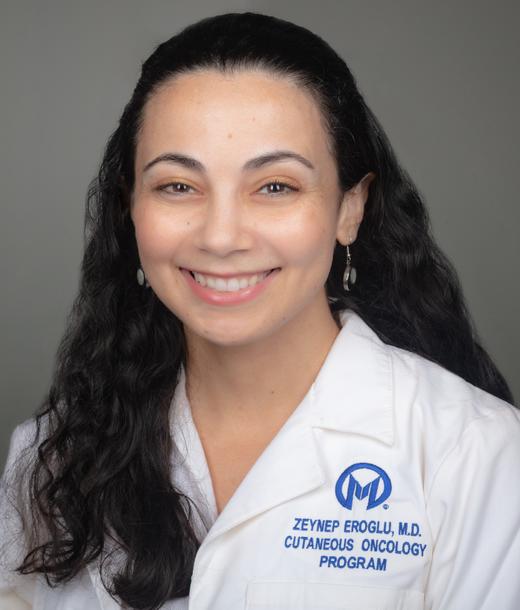
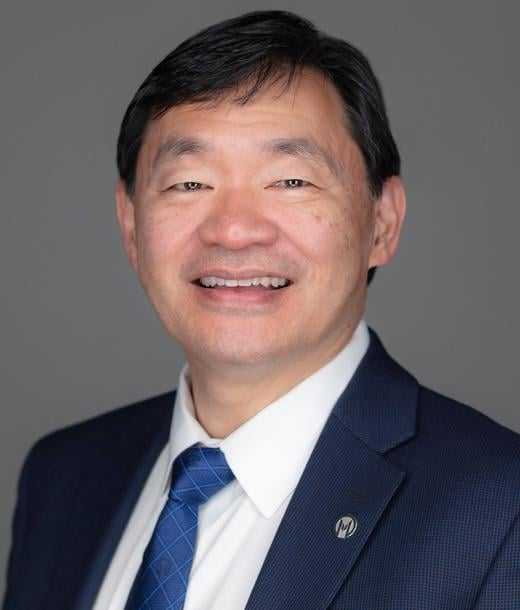
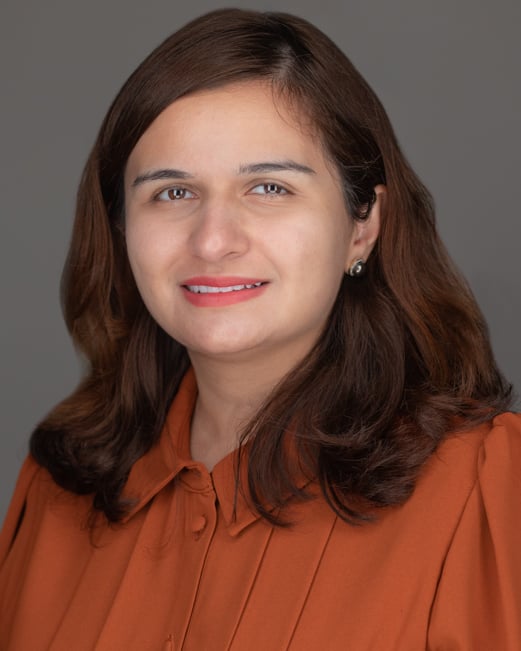
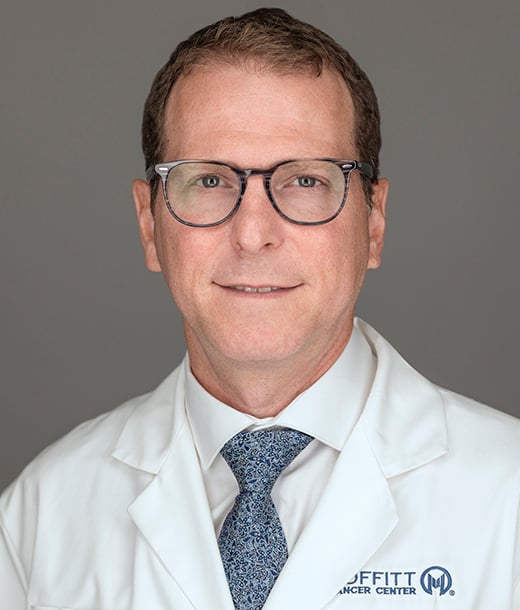
Skin Cancer Medical Oncologists
Meet the medical oncologists who specialize in treating skin cancer.
Program
Cutaneous Oncology
Title
Vice Chair, Department of Cutaneous Oncology
Specialty
Medical Oncology
4.9 (113)
Program
Cutaneous Oncology
Title
Director, Cutaneous Clinical and Translational Research
Specialty
Medical Oncology
4.9 (144)


-
Skin Cancer Radiation Oncologists
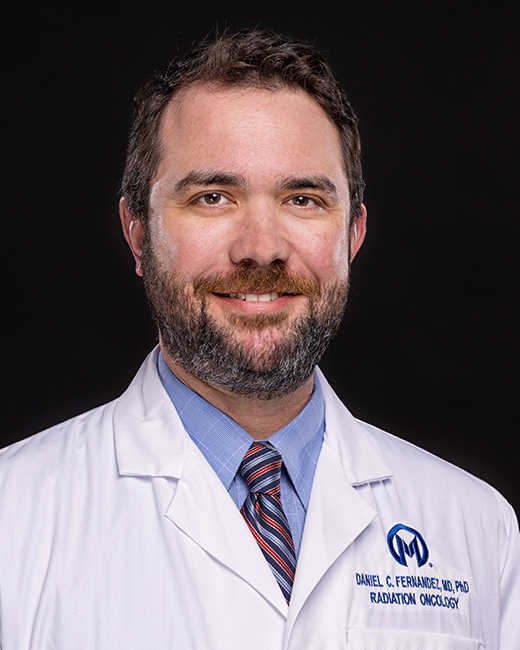
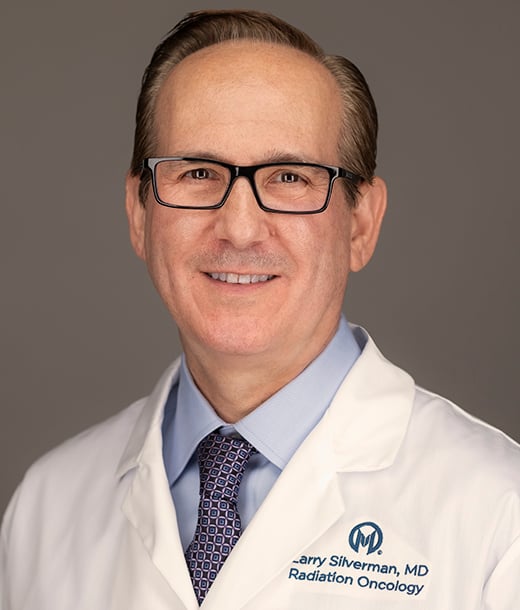
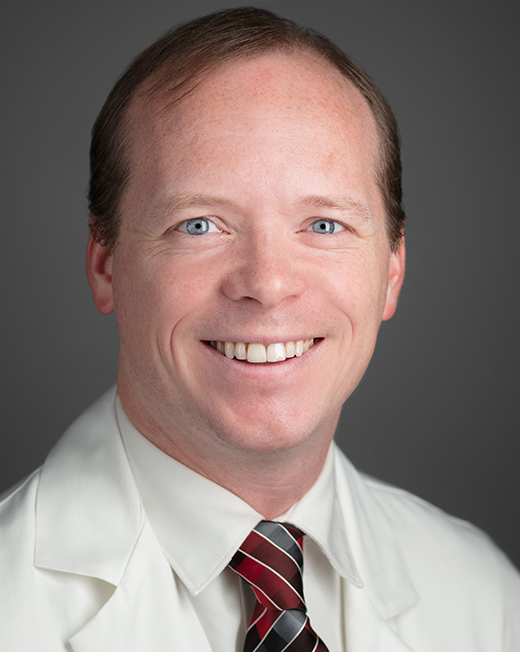
The skin cancer radiation oncologists work with radiation therapists and dosimetrists to shrink or destroy tumors with carefully administered high-energy beams.


-
Skin Cancer Head and Neck Surgeons
Meet the head and neck surgeons who specialize in treating skin cancer.
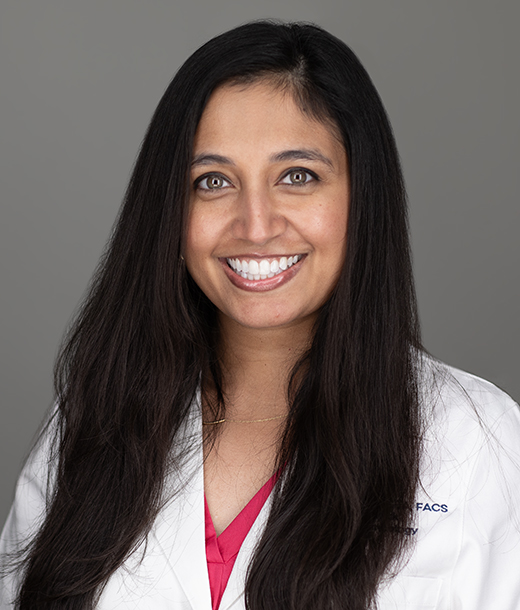
Program
Head and Neck Oncology
Title
Vice Chair of Clinical Operations in the Department of Head and Neck-Endocrine Oncology
Specialty
Head and Neck Surgery
4.8 (80)
-
Skin Cancer Pathologists
Meet the skin cancer pathologists who review cellular tests and imaging scans as part of the diagnostic and treatment process.

Treatment Locations Closer to You
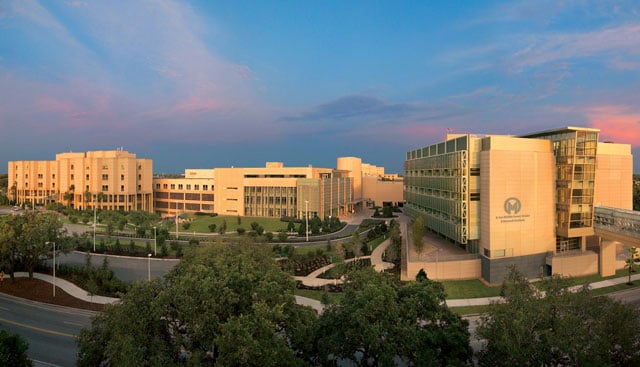
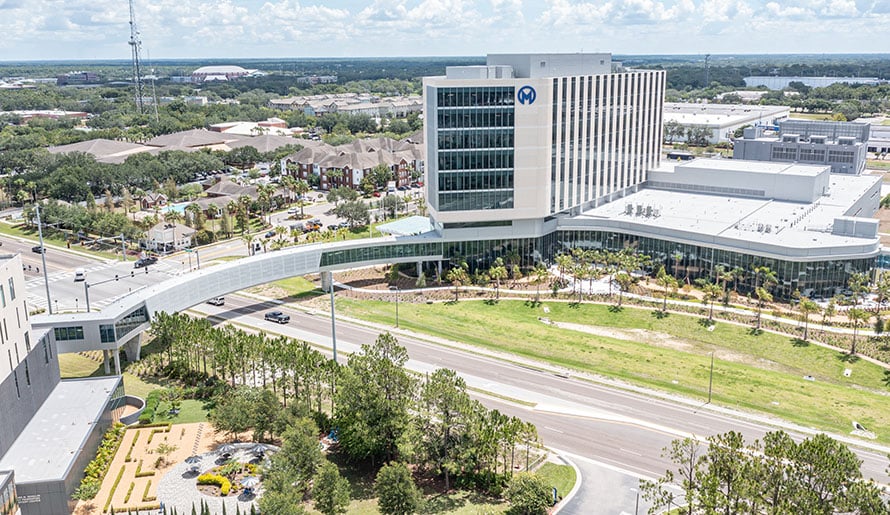
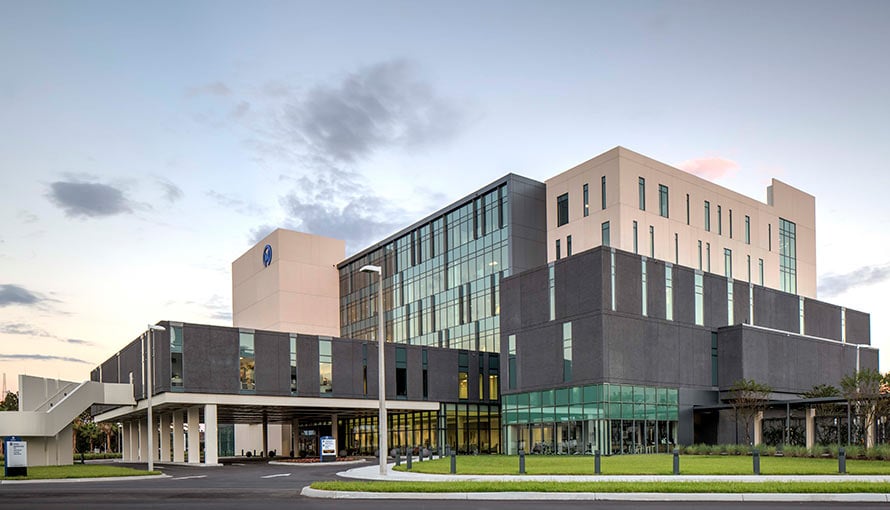
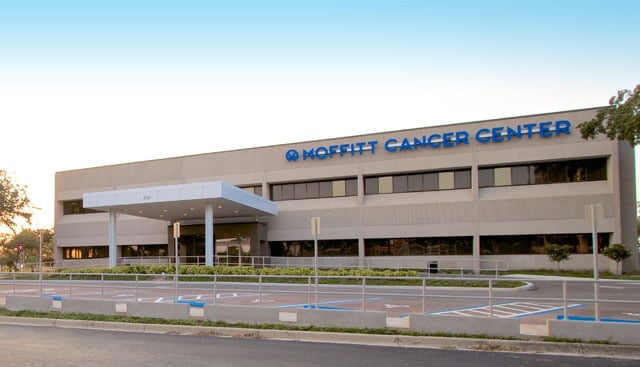
Moffitt is the only Florida-based National Cancer Institute-designated Comprehensive Cancer Center, one of only 58 in the nation focused on cutting-edge research and treatment. As one of the fastest-growing cancer centers in the US, we have four Tampa area locations for patients.