
Head and Neck Cancer Causes and Risk Factors
 Medically reviewed by Kedar Kirtane, MD, Head and Neck Oncology Program
Head and neck cancer is an umbrella term for several distinct types of squamous cell carcinoma that develop in the moist, mucosal linings of the mouth, throat (pharynx), and voice box (larynx). Less commonly, these malignancies can take root in the salivary glands or nasal sinuses. Because these areas are vital for breathing, eating, and speaking, understanding how environmental exposures and viral factors drive cellular damage is essential for early detection.
Quick Facts: Head and Neck Cancer Causes & Risk Factors
- Squamous cell dominance: More than 90% of all head and neck cancers originate in the flat squamous cells that form the protective surface layer of the upper respiratory and digestive tracts.
- The multiplier effect: While tobacco use and alcohol consumption are independent risk factors, using them together creates a synergistic effect that exponentially multiplies your baseline risk.
- Distinct viral drivers: Onco-pathologists link specific viral infections to distinct anatomical sites - HPV heavily drives throat and tonsil cancers, while the Epstein-Barr virus (EBV) is linked to nasopharyngeal cancers.
- The frontline defense: Because early cellular changes often occur inside the oral cavity, routine dental cleanings and exams serve as one of the most effective detection methods available.
What Causes Head and Neck Cancer?
Head and neck cancer arises when the DNA within the squamous cells of the mucosal lining becomes severely damaged. This genetic disruption overwrites the normal signals that tell cells when to grow, divide, and die. Instead of functioning normally, the mutated cells multiply rapidly, survive past their natural lifecycle, and eventually mass together to form a tumor.
In the vast majority of cases, these DNA mutations are triggered by prolonged exposure to external carcinogens. While it is a common misconception that nicotine itself causes cancer, nicotine is actually just the highly addictive compound that drives tobacco dependency. The actual cellular mutations are caused by the hundreds of toxic chemicals, such as tobacco-specific nitrosamines, hydrocarbons, and volatile organic compounds, found in both smoked and smokeless tobacco products.
When these toxins wash over or are absorbed by the delicate epithelial tissue of the mouth and throat, they cause direct, cumulative genetic damage. Over time, these mutations can disable the body's natural tumor-suppressor pathways, allowing abnormal cells to replicate completely unchecked.
Head and Neck Cancer Risk Factors
Evaluating your risk profile for head and neck cancers is heavily focused on environmental exposures and lifestyle choices, as these tissues are in constant contact with the outside world. Clinicians divide these influences into non-modifiable risk factors (biological elements or medical histories beyond your control) and modifiable risk factors (behaviors and environmental exposures you can actively manage).

Non-Modifiable Risk Factors
These risk variables are built into your biology, age, or past medical treatments and cannot be altered through lifestyle changes:
- Advanced age: The statistical likelihood of a diagnosis increases over time. Most head and neck malignancies are detected in individuals over the age of 50.
- Viral infections (HPV and EBV): Persistent infections from certain viruses can alter cellular DNA. High-risk strains of the Human Papillomavirus (HPV) drive roughly 70% of cancers found in the tonsils and the base of the tongue. Separately, the Epstein-Barr virus (EBV) is a primary risk factor for cancers of the nose and salivary glands.
- Prior radiation therapy: Individuals who received medical radiation therapy to the head or neck area in the past (for an earlier cancer or other medical conditions) face an elevated risk of developing secondary squamous cell tumors later in life.
Modifiable Risk Factors
Because the upper respiratory and digestive tracts interact directly with what we consume and breathe, several primary risk factors can be actively managed or avoided entirely:
- Tobacco and Areca Nut products: Using any form of smoked tobacco (cigarettes, cigars, pipes) or smokeless tobacco (chewing tobacco, snuff) directly introduces destructive carcinogens into the oral cavity. Additionally, the use of betel quid or areca nut, frequently used in South and Southeast Asian cultures, is a potent independent driver of oral cancers, causing severe cellular damage even when consumed without tobacco.
- Alcohol consumption: Regular, heavy alcohol intake acts as a major tissue irritant and systemic stressor. When combined with tobacco use, alcohol acts as a solvent, making it much easier for tobacco toxins to penetrate the delicate lining of the mouth and throat.
- Ultraviolet (UV) light exposure: Prolonged, unprotected exposure to natural sunlight or artificial UV radiation from tanning beds is the leading cause of squamous cell carcinoma of the lips.
- Occupational inhalants: Long-term exposure to airborne toxins in industrial workplaces, such as wood dust, formaldehyde fumes, asbestos fibers, or nickel particles, significantly increases the risk of developing nasopharyngeal cancer.
- Dietary habits: Consuming a diet that relies heavily on chemically preserved, fermented, or highly salted foods (particularly during childhood or young adulthood) has been linked to elevated rates of throat and nasal cancers.
- Severe oral inflammation: Chronic, long-term neglect of oral hygiene can lead to persistent periodontal disease and localized inflammation, which can slightly elevate your vulnerability to oral cavity cancers.
- Electronic cigarettes and vaping: While frequently marketed as a safer alternative to combustible smoking, vaping is not risk-free. E-cigarettes heat chemical liquids to create an aerosol that contains volatile organic compounds and known carcinogens, such as formaldehyde and acetaldehyde. Emerging clinical research indicates that chronic exposure to these heated aerosols can trigger localized tissue irritation and DNA mutations within the oral cavity and throat, though long-term data on vaping and cancer risk continues to develop.
 Florida's Largest NCI Cancer Center
Recognized as a leader in cancer excellence, Moffitt is the state's largest National Cancer Institute-designated Comprehensive Cancer Center by cancer patient volumes.
Can Head and Neck Cancer be Prevented?
While you cannot entirely eliminate your risk, especially regarding viral exposures like EBV or past medical radiation, you can dramatically lower your vulnerability. Combining proactive medical screenings with targeted behavioral changes is the most effective way to stop abnormal cellular damage before it transitions into a tumor. It is also important to promptly discuss unusual symptoms, such as a lump or swelling in the neck, a persistent sore throat, a mouth sore that does not heal or frequent nosebleeds, with a physician.
The most reliable prevention strategies include:
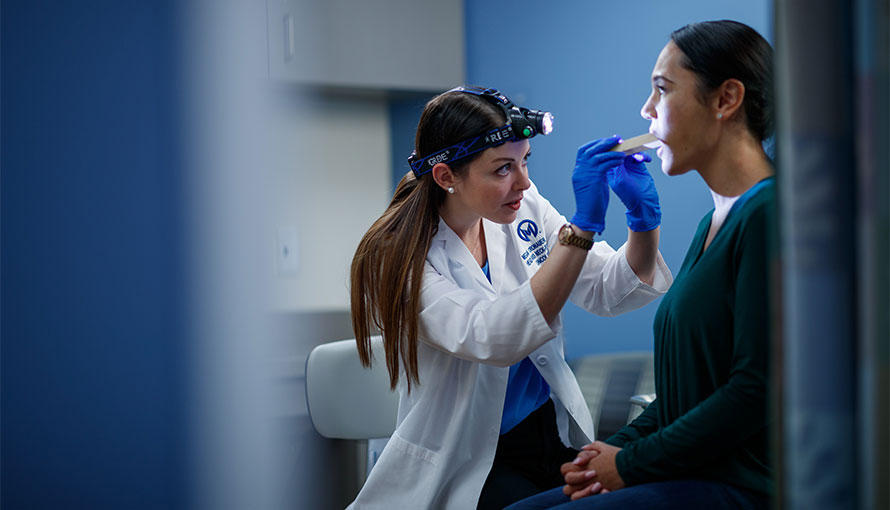
- Prioritizing routine dental evaluations: Because there is no automated, population-wide screening test for head and neck cancers, your dentist is your primary line of defense. Comprehensive oral exams during your biannual cleaning are highly effective at spotting precancerous lesions early.
- Eliminating tobacco and limiting alcohol: Stopping traditional smoking and avoiding e-cigarettes or vaping devices completely halts the influx of aggressive, tissue-damaging chemicals into your upper digestive tract. Additionally, limiting alcohol consumption helps protect the protective mucosal layer of your mouth from chronic irritation.
- Using UV protection: Applying a blocking lip balm with SPF and wearing wide-brimmed hats outdoors directly shields the delicate skin of the lips from damaging solar radiation.
- Wearing respiratory protection: If your workplace involves industrial dust, chemical manufacturing, or hazardous fumes, consistently wearing a properly fitted respirator or mask minimizes the inhalation of occupational carcinogens.

#1 Cancer Hospital in Tampa
Moffitt is the top-ranked cancer hospital in Tampa and central Florida and ranked No. 16 in the nation in Newsweek’s “America’s Best Cancer Hospitals."
Frequently Asked Questions About Head and Neck Cancer Causes and Risk Factors
The following FAQs-related article provides additional information about the causes of head and neck cancer:
Benefit from World-Class Care at Moffitt Cancer Center
Moffitt is firmly positioned at the forefront of head and neck cancer research. Through ongoing studies, our scientists continue to learn more about how these cancers develop and how they can be prevented and treated. Our progress has gained national recognition, and we have earned the distinction of being named a Comprehensive Cancer Center by the National Cancer Institute.
If your physician has determined that you have an elevated risk of developing head and neck cancer, you are welcome to turn to the world-renowned experts in Moffitt’s Head and Neck Cancer Program. To request an appointment, call 1-888-663-3488 or submit a new patient registration form online. We do not require referrals.