
Causes and Risk Factors for Liver Cancer
Liver cancer develops when liver cells undergo harmful genetic changes that allow them to grow uncontrollably and form tumors. Most cases develop in the setting of chronic liver damage caused by hepatitis B, hepatitis C, cirrhosis or metabolic liver disease.
Although liver cancer is less common than breast, prostate and lung cancers, its incidence has increased in the United States over the past several decades. According to the American Cancer Society, more than 40,000 people are diagnosed with primary liver cancer each year. Hepatocellular carcinoma, which develops in the main type of liver cell, accounts for approximately 75% to 85% of all primary liver cancers.
What causes liver cancer?
Liver cancer begins when genetic alterations disrupt the normal function of liver cells. These changes may cause the cells to multiply uncontrollably, resist natural cell death and eventually form malignant tumors.
-

x3
Liver cancer incidence rates have tripled in the U.S. over the past four decades
-

60 or older
typically the age when patients are diagnosed with liver cancer
The exact cause of liver cancer is not always known. However, most cases develop after years of chronic liver inflammation and damage, which can increase the likelihood of DNA mutations and abnormal cell growth.
Common causes and contributing factors include:
- Cirrhosis – Long-term liver inflammation and damage can cause scar tissue to gradually replace healthy liver tissue. As the liver repeatedly attempts to repair itself, abnormal cellular changes may occur, increasing cancer risk.
- Chronic hepatitis B infection – Long-term infection with the hepatitis B virus can damage liver tissue and increase the likelihood of cancer-causing genetic changes. Hepatitis B can increase liver cancer risk even in the absence of cirrhosis.
- Chronic hepatitis C infection – Hepatitis C often causes persistent inflammation that can lead to scarring and long-term liver damage. Over time, these changes can create an environment that promotes cancer development.
- Metabolic dysfunction-associated steatotic liver disease (MASLD) – Formerly known as nonalcoholic fatty liver disease, MASLD can cause inflammation and liver injury that may progress to cirrhosis and liver cancer.
- Certain inherited genetic disorders – Some hereditary conditions, such as hereditary hemochromatosis, Wilson’s disease and alpha-1 antitrypsin deficiency, can interfere with normal liver function and increase the likelihood of chronic liver damage and cancer development.
What are the risk factors for liver cancer?
Most liver cancers develop in people who have chronic liver disease or other conditions that cause long-term liver damage. Some risk factors are related to lifestyle and can be modified, while others cannot be changed.
Risk factors for liver cancer include:
- Older age – Most liver cancers are diagnosed in adults older than 55.
- Male sex – Liver cancer occurs more frequently in men than in women.
- Family history of liver cancer – Individuals with one or more close relatives who have had liver cancer may face a higher risk due to shared genetic and environmental factors.
- Chronic viral hepatitis – Long-standing hepatitis B or hepatitis C infections are among the strongest risk factors for liver cancer worldwide.
- Cirrhosis – Regardless of its underlying cause, cirrhosis is one of the strongest risk factors for liver cancer.
- Type 2 diabetes – Metabolic changes associated with diabetes may contribute to chronic liver disease and increase the risk of liver cancer.
- Metabolic dysfunction-associated steatotic liver disease (MASLD) – Ongoing liver inflammation and damage related to MASLD can increase the risk of cirrhosis and liver cancer.
- Tobacco use – Smoking is associated with an elevated risk of several types of cancer, including liver cancer.
- Heavy alcohol use – Excessive consumption of alcoholic beverages can damage liver cells, contribute to cirrhosis and increase cancer risk.
- Obesity – Excess body weight is associated with liver inflammation and fatty liver disease, both of which can increase the risk of liver cancer.
- Aflatoxin exposure – Long-term exposure to aflatoxins, toxins produced by certain molds that can contaminate food supplies, is associated with an increased risk of liver cancer. This exposure is more common in certain parts of the world where food contamination occurs more frequently.
Which risk factors for liver cancer are modifiable (factors you can control)?
Many liver cancer risk factors are connected to conditions and behaviors that affect liver health. Taking steps to protect the liver may help lower the likelihood of developing liver cancer.
Modifiable risk factors for liver cancer include:
- Chronic hepatitis B infection – Getting vaccinated against hepatitis B and seeking prompt treatment when appropriate may help reduce liver damage and lower liver cancer risk.
- Chronic hepatitis C infection – Seeking treatment for hepatitis C may help eliminate the infection, reduce ongoing liver inflammation and lower liver cancer risk.
- Heavy alcohol use – Limiting or avoiding consumption of alcoholic beverages can help prevent cirrhosis and other forms of chronic liver damage.
- Obesity – Maintaining a healthy body weight may reduce the risk of fatty liver disease, cirrhosis and liver cancer.
- Type 2 diabetes management – Managing diabetes effectively can support liver health and may help reduce the risk of chronic liver disease and liver cancer.
- Smoking – Avoiding tobacco products may help lower the risk of liver cancer and many other types of cancer.
- Exposure to aflatoxins – Following recommended food storage and food safety practices can help reduce exposure to these cancer-causing toxins.
World-Renowned Cancer Experts
Moffitt is one of nation’s leading cancer centers participating in the National Comprehensive Cancer Network, a nonprofit alliance dedicated to patient care, research and education.
Which risk factors for liver cancer are nonmodifiable (factors you cannot change)?
Some risk factors for liver cancer cannot be changed, but may help identify individuals who could benefit from regular monitoring and early detection strategies.
Nonmodifiable risk factors for liver cancer include:
- Older age – The likelihood of liver cancer increases with age, particularly after 55.
- Male sex – Men are diagnosed with liver cancer more often than women.
- Family history and inherited conditions – A family history of liver cancer or certain hereditary disorders may increase susceptibility to the disease.
- History of advanced liver disease – Individuals with a history of cirrhosis or significant liver damage may continue to face an elevated risk of liver cancer even after the underlying condition has been treated.
Can liver cancer be prevented?
Although not all cases of liver cancer can be prevented, many risk factors can be reduced through preventive care, healthy lifestyle choices and management of chronic liver conditions.
Strategies that may help reduce the risk of liver cancer include:
- Receive the hepatitis B vaccine – Vaccination can prevent hepatitis B infection, one of the leading causes of liver cancer worldwide.
- Seek treatment for a hepatitis infection – Early diagnosis and treatment of hepatitis B or hepatitis C may help reduce ongoing liver damage and lower liver cancer risk.
- Limit or avoid alcohol consumption – Reducing alcohol intake can help protect the liver from cirrhosis and other forms of chronic injury.
- Maintain a healthy body weight – Healthy weight management may reduce the risk of fatty liver disease, cirrhosis and liver cancer.
- Manage diabetes and other metabolic conditions – Effective management of metabolic health may help reduce chronic liver inflammation and support long-term liver health.
- Avoid tobacco use – Not smoking may reduce the risk of liver cancer and improve overall health.
- Participate in liver cancer surveillance when recommended – Individuals with cirrhosis, chronic hepatitis or other high-risk conditions may benefit from regular screening and surveillance to help detect liver cancer at an earlier stage.
#1 Cancer Hospital in Tampa
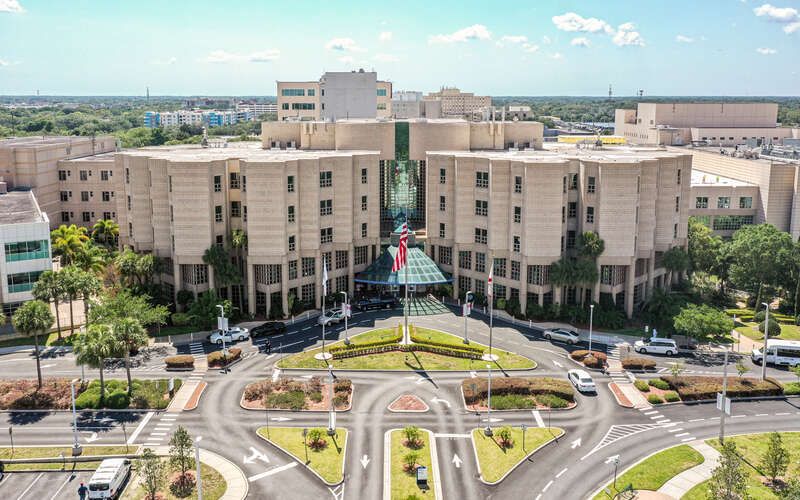
Moffitt is the top-ranked cancer hospital in Tampa and central Florida and ranked No. 16 in the nation in Newsweek’s “America’s Best Cancer Hospitals."
Frequently asked questions (FAQs) about liver cancer causes and risk factors
Learning about liver cancer causes and risk factors can help individuals make informed decisions about liver health and cancer prevention. Common questions include:
Find the help you need for liver cancer at Moffitt Cancer Center
Many people who are diagnosed with liver cancer have a history of chronic liver disease, but not everyone with one or more known risk factors will develop cancer. Understanding the risks and seeking appropriate medical care can play an important role in maintaining liver health and identifying potential concerns early.
As a National Cancer Institute (NCI)-designated Comprehensive Cancer Center, Moffitt is committed to advancing the understanding and treatment of liver cancer through innovative research and patient-centered care. The specialists in our Gastrointestinal Oncology Program have extensive experience evaluating liver tumors and developing individualized treatment plans.
If you would like to learn more about liver cancer, you can request an appointment with a specialist in the Gastrointestinal Oncology Program at Moffitt by calling 1-888-663-3488 or submitting a new patient registration form online. We do not require referrals.
Diagnosis