
Liver Cancer Surgery
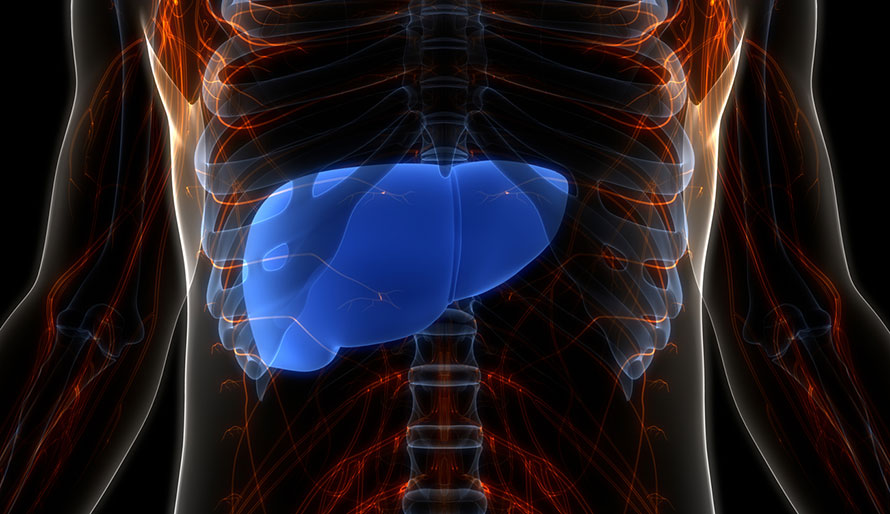
The liver is a vital organ in the upper right abdomen responsible for filtering the blood, breaking down toxins, regulating blood clotting factors and producing bile to aid digestion. The amount of liver removed and left behind during surgery is critical to ensure patients have enough liver to recover and thrive. Because liver surgery is complex, patients have better outcomes when it is performed at a high-volume cancer center by surgeons who specialize in liver surgery.
The most common type of primary liver cancer is hepatocellular carcinoma, which begins in the main liver cells (hepatocytes). The most common type of liver cancer overall occurs when cancer from the colon or rectum spreads to the liver, called colorectal liver metastasis.
Risk factors for primary liver cancer (for example, hepatocellular carcinoma and cholangiocarcinoma) include chronic hepatitis B or C infection, cirrhosis, heavy alcohol use and nonalcoholic fatty liver disease. Risk factors for secondary liver cancer include having a primary cancer elsewhere, like colon cancer or rectal cancer. Symptoms such as abdominal pain, weight loss, jaundice and liver enlargement may become apparent in advanced stages. Early diagnosis, surgical evaluation and treatment are essential to achieve the best possible outcome and quality of life. Options may include surgery, radiofrequency ablation, radiation therapy, chemotherapy, biological therapy and/or immunotherapy. Additional therapies such as histotripsy and clinical trials may also be available.
ACS Surgical Quality Partner for 30+ Years
Continuously Accredited by the American College of Surgeons Commission on Cancer since 1989 for our commitment to providing comprehensive, high-quality and multispecialty patient-centered care.
Why is liver cancer surgery performed?
Liver cancer surgery is performed to remove one or more tumors from the liver, aiming to eliminate the cancer. In general, surgery may be considered if the tumors are localized to the liver and the patient has sufficient liver volume and function to tolerate the procedure. Removing the tumors can cure some patients, allowing them to be completely free of cancer. For others, liver surgery can help them live longer.
Who is a good candidate for liver cancer surgery?
Each patient is different. Factors such as the type of cancer, how much of the liver is affected, whether the cancer has spread outside the liver, the health of the liver and the patient’s overall fitness all play a role in treatment decisions.
A liver cancer surgeon will carefully review these factors to determine if surgery is an option. They will also use this information to decide whether an open or robotic approach is the best way to treat the disease.
How to prepare for liver cancer surgery
To prepare for liver cancer surgery, the patient should undergo a comprehensive medical evaluation, which may include imaging tests and blood work to assess their liver function and overall health. A meeting with the surgical team to gain a thorough understanding of the procedure, anesthesia and postoperative care is essential to set realistic expectations. The patient should discuss all current medications—including prescription drugs, over-the-counter remedies, vitamins and supplements—because some medications may need to be adjusted or stopped before the procedure.
The patient should follow specific dietary guidelines, such as fasting the night before and the morning of surgery, to ensure an empty stomach and help prevent anesthesia complications, such as nausea, vomiting and aspiration. By engaging in light physical activity, if appropriate, the patient can improve their overall fitness and recovery. Additionally, the patient should arrange for postoperative support at home, ensuring they have someone available to assist with daily activities during the initial recovery period.
What happens during liver cancer surgery?
The types of liver cancer surgery include:
- Preoperative portal vein embolization – An interventional radiologist will redirect the blood supply to a healthy portion of the liver to stimulate cell growth before liver cancer surgery, to grow the liver that will remain after surgery.
- Associating liver partition and portal vein ligation (ALPPS) for staged hepatectomy – This innovative, two-stage procedure, which capitalizes on the regenerative ability of the liver, may be considered for treating advanced liver cancer or liver metastasis.
- Minimally invasive liver cancer surgery – Laparoscopic or robotic surgery uses several small incisions during the operation, along with a slightly larger incision to remove the cancer being treated. Each patient should be evaluated to determine if they are a candidate for this approach.
- Robotic-assisted liver cancer surgery – A surgeon specialized in liver surgery and robotic surgery operates through small incisions using a robotics platform such as the da Vinci® Surgical System for heightened visualization and surgical precision.
- Partial hepatectomy or hepatectomy – To treat liver tumors, the surgeon may remove the tumors along with some surrounding healthy tissue. Sometimes, a smaller resection known as a partial hepatectomy is appropriate to completely remove the cancer. In other cases, a larger resection known as a formal hepatectomy is necessary to completely remove the cancer.
- Liver transplantation – Some patients are not candidates for surgical resection of their tumor. Liver transplantation involves the removal of a patient’s liver and replacement of the entire liver with a healthy donor liver. This option requires evaluation by a transplant surgeon and an institution that offers this option.
What are the risks and possible complications of liver cancer surgery?
Like all types of surgery, liver cancer surgery carries several risks and potential complications. The liver has a unique capacity to regenerate and can potentially compensate for the surgical removal of up to 75% of its mass by rebuilding itself over several weeks. Risk factors specific to liver surgery include liver insufficiency and liver failure, which is why it is so important that the evaluating surgeon understands how to assess volume in each patient. Additional risks include bleeding and bile leak. There are many surgical techniques that your surgeon can use to minimize all these risks.
What to expect during recovery from liver cancer surgery
After liver cancer surgery, the hospital stay depends on the patient's risk factors and the operation performed. Patients who undergo robotic surgery can expect to be in the hospital zero to two days, while patients who undergo open liver surgery are in the hospital four to seven days. Initially, the patient may have a drain in place to remove excess fluid from the surgical site to evaluate for a leak.
The patient can expect to gradually resume eating, starting with liquids and progressing to solid foods as tolerated. Physical activity will be encouraged, beginning with gentle movements to help prevent blood clots and improve lung function. The patient should closely follow the surgeon’s postoperative instructions on incision care, medication use and activity restrictions. Full recovery can take up to several months, during which follow-up appointments will be essential to monitor liver function and check for signs of cancer recurrence.
How effective is liver cancer surgery?
Liver cancer surgery can be effective, especially for a patient with one or more early-stage tumors and good overall liver function. However, its effectiveness can vary depending on factors such as the location, size and number of liver tumors as well as the presence of cirrhosis or another underlying liver condition. In general, the overall prognosis is better when surgery is combined with other treatments and ongoing monitoring.
Benefit from world-class care at Moffitt Cancer Center
Moffitt has earned a stellar reputation as a leader in performing complex gastrointestinal procedures, including liver cancer surgery. Our board-certified, fellowship-trained surgeons perform a high number of procedures each year, leading to highly refined knowledge and expertise. Each patient receives a customized treatment plan developed by a multispecialty team. We also provide supportive care to minimize any side effects of treatment and enhance quality of life.
 Medically reviewed by Betzaira Childers, MD, Gastrointestinal Oncology Program.
If you would like to learn more about liver cancer surgery, you can request an appointment with a specialist in our renowned Gastrointestinal Oncology Program by calling 1-888-663-3488 or submitting a new patient registration form online. We do not require referrals.
Helpful Links: