Chemotherapy for Prostate Cancer
Chemotherapy is a cancer treatment that uses powerful medications to reach cancer cells throughout the body. After entering the bloodstream, the medications interfere with the growth and division of cancer cells, although they can also affect some healthy cells that divide rapidly.
While prostate cancer can be treated with chemotherapy, this approach is used mainly for advanced disease rather than for cancer that remains confined to the prostate. Chemotherapy may slow the progression of the disease, relieve symptoms and help some patients live longer, but chemotherapy alone is not considered a cure for metastatic prostate cancer.
At Moffitt Cancer Center, medical oncologists work closely with surgeons, radiation oncologists and other specialists to determine whether chemotherapy should be part of the patient’s care plan and, if so, when it should be given. Before making a recommendation, our multispecialty team will consider multiple factors, such as whether the cancer responds to treatments that suppress testosterone, where in the body the cancer has spread, which therapies the patient has already received and the patient’s overall health and treatment goals.
Quick facts: chemotherapy for prostate cancer
- The primary goal of chemotherapy for prostate cancer depends on the disease setting. For metastatic prostate cancer, chemotherapy may slow disease progression, reduce symptoms such as cancer-related pain, help maintain quality of life and extend survival.
- Taxanes are the principal chemotherapy drugs used for prostate cancer. Docetaxel is commonly used for metastatic hormone-sensitive or metastatic castration-resistant prostate cancer, while cabazitaxel may be considered if the cancer progresses during or after docetaxel.
- Treatment is usually given by intravenous (IV) infusion. Docetaxel and cabazitaxel are often administered in an outpatient infusion center once every three weeks, although the schedule and number of cycles can vary.
- Supportive care is built into the treatment plan. Laboratory monitoring, dose adjustments and supportive medications can help prevent or manage nausea, low blood cell counts, allergic reactions and other side effects associated with chemotherapy.
Goals of chemotherapy for prostate cancer
The purpose of chemotherapy depends on the extent and biology of the cancer as well as the patient’s broader care plan. Before treatment begins, the healthcare team will explain what the recommended regimen is intended to accomplish and how its potential benefits compare with its risks.
Chemotherapy for metastatic hormone-sensitive prostate cancer
Hormone-sensitive prostate cancer responds to treatment that lowers testosterone levels or prevents testosterone from stimulating cancer cells. This approach is known as androgen deprivation therapy (ADT). For certain patients whose cancer has already spread to distant areas of the body, docetaxel may be added to ADT, sometimes along with an androgen receptor pathway inhibitor. This early combination approach can delay cancer progression and help some patients live longer.
Chemotherapy for metastatic castration-resistant prostate cancer
Prostate cancer is described as castration-resistant when it grows despite testosterone being kept at a very low level. Chemotherapy can help control metastatic castration-resistant disease, reduce pain and other symptoms and extend survival. ADT is generally continued while chemotherapy or another systemic treatment is given.
Chemotherapy before or after treatment for localized prostate cancer
Chemotherapy is not routinely given before prostate surgery or radiation therapy to shrink a localized tumor. It is also not a standard treatment after surgery or radiation therapy to destroy possible microscopic disease. Researchers are currently evaluating systemic treatment combinations in select patients with high-risk localized or locally advanced prostate cancer, so chemotherapy in these settings may be available through a clinical trial.
Chemotherapy for symptom relief and disease control
If prostate cancer cannot be cured, chemotherapy may still provide meaningful benefits. By reducing or stabilizing the amount of cancer in the body, treatment may ease bone pain or other symptoms, preserve function and delay further progression. The healthcare team will regularly assess whether chemotherapy is controlling the disease while maintaining an acceptable quality of life.
 Florida's First NCI-designated Comprehensive Cancer Center
Recognized for its scientific excellence, Moffitt is the state's longest-established National Cancer Institute-designated Comprehensive Cancer Center.
Common chemotherapy drugs for prostate cancer
Chemotherapy selection is usually driven directly by the clinical features of the cancer and the patient’s treatment history. The healthcare team will select a drug or regimen based on the prostate cancer subtype and disease state, the extent and pace of its progression and the patient’s prior therapies and overall health.
Taxanes
Taxanes disrupt structures known as microtubules, which cells need to divide and perform other essential functions. This interference can stop prostate cancer cells from multiplying and lead to cell death.
Taxanes that may be used for prostate cancer include:
- Docetaxel (Taxotere) – This taxane is widely used to treat prostate adenocarcinoma, the predominant type of prostate cancer. It may be combined with ADT for select patients with metastatic hormone-sensitive disease or used with a corticosteroid, such as prednisone, for metastatic castration-resistant disease, which has spread to distant areas and continues to grow despite very low testosterone levels.
- Cabazitaxel (Jevtana) – This taxane may be recommended for metastatic castration-resistant prostate cancer that has progressed during or after docetaxel. It is generally given with prednisone or prednisolone.
Platinum-based chemotherapy
Platinum agents such as cisplatin and carboplatin damage cancer cell DNA, making it difficult for the cells to copy their genetic material and divide. Although these drugs are not standard first-line chemotherapy for typical prostate adenocarcinoma, a platinum-containing regimen may be considered for small cell or neuroendocrine prostate cancer. A platinum drug is usually paired with another chemotherapy medication, such as etoposide or a taxane. The exact combination will depend on the tumor’s characteristics and the patient’s health.
Other chemotherapy agents
Certain other chemotherapy drugs have a limited role in prostate cancer treatment. For example, mitoxantrone may sometimes be used to relieve symptoms of advanced prostate cancer, although it has not demonstrated the survival benefit associated with taxane therapy.

Ranked a Top Cancer Hospital in Nation
Moffitt is ranked 16th in the nation and is the top-ranked cancer hospital in Tampa and central Florida in Newsweek’s “America’s Best Cancer Hospitals."
How chemotherapy for prostate cancer is administered
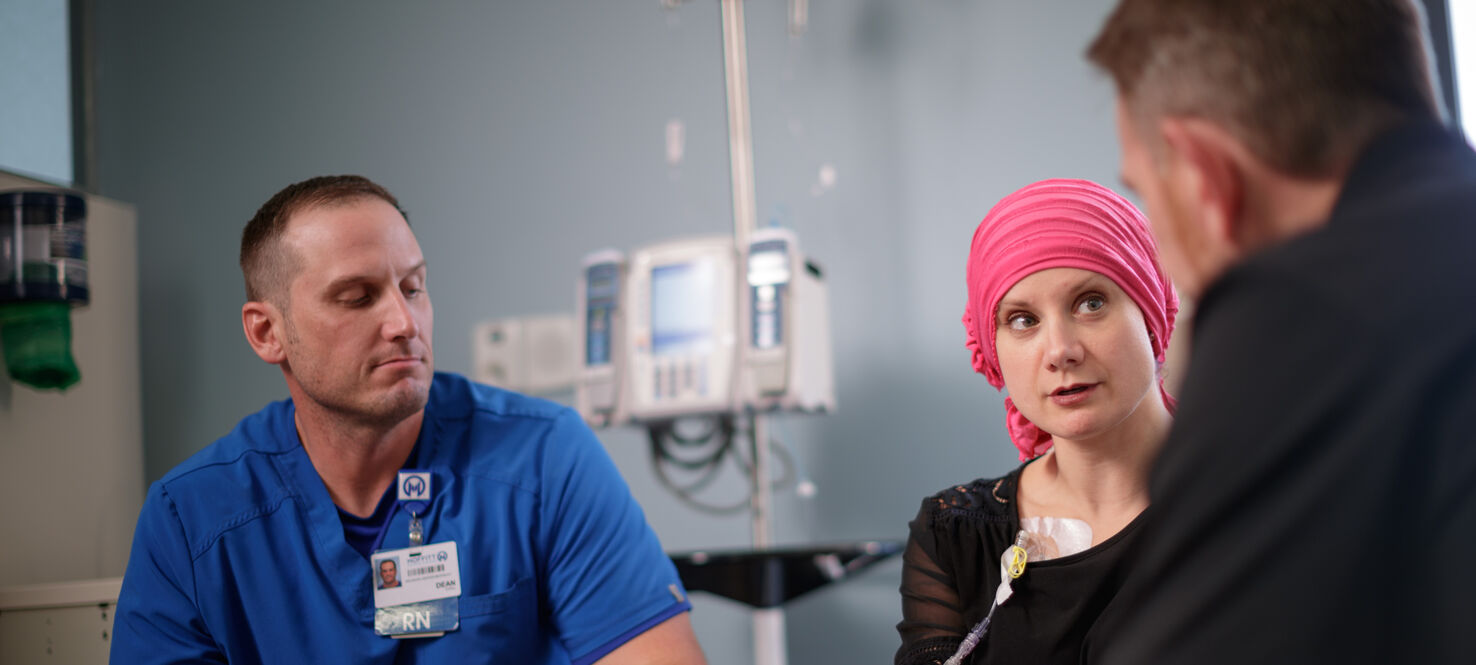
Chemotherapy for prostate cancer is usually administered in an outpatient infusion center through a peripheral IV placed in a vein in the hand or arm. If the patient will need repeated infusions or has veins that are difficult to access, the healthcare team may discuss a central venous access device, such as an implanted port or peripherally inserted central catheter (PICC) line.
Docetaxel and cabazitaxel infusions themselves commonly take about one hour. However, the appointment will generally take longer because the healthcare team will need to check the patient, review laboratory results, prepare the individualized dose and administer any medications needed before or after chemotherapy.
Some medications used alongside chemotherapy, including corticosteroids, may be taken by mouth. While these medications may be part of the overall treatment plan, they are not oral chemotherapy. Regional chemotherapy and chemotherapy injections under the skin or into a muscle are not standard delivery methods for prostate cancer.
What to expect before, during and after chemotherapy for prostate cancer
The healthcare team will explain the treatment plan, provide instructions for managing side effects and identify symptoms that require prompt attention. Although each regimen is different, most patients can expect several common steps.
Preparing for chemotherapy for prostate cancer
The patient will meet with a medical oncologist and may also work with oncology-certified nurses, clinical pharmacists, nurse navigators, dietitians and social workers. The team will review the patient’s diagnosis, prior treatments, current medications, other health conditions and goals of care.
Pretreatment testing will generally include a complete blood count (CBC) and a metabolic panel to assess blood cell levels and liver and kidney function. The oncologist may order other tests based on the prescribed drugs, the patient’s medical history and any existing health conditions.
The healthcare team may also explain how to take certain medications before treatment if needed. For example, a corticosteroid such as dexamethasone may be prescribed around a taxane infusion to reduce fluid retention and the risk of an infusion reaction. The patient should follow the instructions for timing and dosage carefully.
What to expect on treatment days
After check-in, the healthcare team will usually record the patient’s body weight, temperature, blood pressure and other vital signs. Blood may be drawn before the appointment or on the same day to confirm that the patient can safely proceed with treatment. A pharmacist will review the treatment orders and relevant laboratory results before preparing the dose.
Before chemotherapy begins, the patient may receive medications to help prevent nausea or an allergic reaction. The nurse will then administer the infusion and monitor the patient. A family member or friend may be able to remain at the patient’s chairside, subject to current infusion center policies.
What to expect between chemotherapy cycles at home
Chemotherapy is given in cycles, with each treatment followed by a rest period to allow healthy cells and blood counts time to recover. A common schedule for prostate cancer is one infusion every three weeks, but some regimens may use a different schedule. For metastatic hormone-sensitive disease, docetaxel is often planned for six cycles. For castration-resistant disease, the duration may depend on the response, side effects and goals of treatment.
Between cycles, the patient should track symptoms and contact the healthcare team about any new, worsening or concerning changes. The team may adjust the chemotherapy dose, delay a cycle or prescribe supportive treatment if blood cell counts are low or side effects are difficult to manage.
Possible side effects of chemotherapy for prostate cancer
Chemotherapy side effects can vary based on the medication, dose, schedule and patient’s overall health. Many effects improve during the rest period between cycles or after chemotherapy ends, and the healthcare team can often help prevent or reduce them. Prompt reporting will give the team the best opportunity to help.
Common side effects and proactive management
Side effects that can occur during prostate cancer chemotherapy include:
- Fatigue – Chemotherapy, anemia, disrupted sleep and the cancer itself can contribute to low energy. Balancing planned rest with light physical activity, such as short walks, may help the patient preserve strength and manage fatigue.
- Nausea, appetite changes or diarrhea – Preventive and as-needed medications can control many digestive symptoms. Smaller meals, adequate fluids and guidance from an oncology dietitian may help the patient maintain nutrition.
- Low white blood cell counts and infection risk – Chemotherapy can reduce infection-fighting neutrophils, a condition called neutropenia. The healthcare team will monitor blood cell counts and may prescribe growth factor medication if appropriate. A fever during chemotherapy can be an emergency, so the patient should follow the team’s instructions about what body temperature requires an immediate call.
- Low red blood cell or platelet counts – Anemia can worsen fatigue or shortness of breath, while a low platelet count can increase bruising or bleeding. Regular blood tests will allow the healthcare team to identify any changes and modify treatment or provide supportive care when needed.
- Hair loss – Docetaxel and cabazitaxel commonly cause temporary hair thinning or hair loss, often beginning within the first few weeks of treatment. The healthcare team can explain what to expect and discuss available appearance-related support resources.
- Fluid retention – Docetaxel can cause swelling or weight gain from fluid buildup. Corticosteroid premedication and ongoing monitoring can help reduce this risk.
- Nail or skin changes – Taxanes can cause skin or nail discoloration, tenderness, dryness and other changes. Gentle skin and nail care may help, and painful or worsening changes should be reported.
- Infusion reactions – Allergic-type reactions can occur during or shortly after a taxane infusion. Premedications and close observation can help reduce this risk, and nurses will be prepared to stop the infusion and treat a reaction promptly.
Possible persistent or long-term side effects
Most chemotherapy side effects improve after treatment ends, but some may take longer to resolve or occasionally persist. These effects may include:
- Peripheral neuropathy – Taxanes can cause weakness, numbness, burning or tingling sensations, usually in the hands or feet. Reporting symptoms early is important because the oncologist may adjust the dose or schedule to help prevent the nerve damage from worsening.
- Persistent fatigue or changes in blood cell counts – Recovery time can vary, and some effects of chemotherapy may continue after the last cycle. Follow-up visits and laboratory testing help the healthcare team monitor progress and investigate symptoms that do not improve.
- Fertility changes – Chemotherapy can reduce sperm production and may affect fertility. A patient who may want biological children in the future can ask about sperm banking before treatment begins.
Follow-up testing will be tailored to the drugs received, side effects experienced and the patient’s other health conditions.

Prostate Cancer Survival Rates 45% Higher than National Averages
Schedule an AppointmentManaging daily life during chemotherapy for prostate cancer
The patient’s daily routines may need to change from one part of a chemotherapy cycle to another. The following strategies can support physical and emotional well-being during treatment:
- Prioritize nutrition and hydration – If appetite or taste changes make eating difficult, consuming small, nutrient-dense meals can help the patient meet nutritional needs, while drinking fluids regularly can help prevent dehydration. An oncology dietitian can provide individualized recommendations.
- Stay active within safe limits – Regular, gentle movement can help reduce fatigue and maintain strength, balance and muscle mass. The healthcare team can help the patient choose an appropriate activity level, particularly if the cancer has spread to the bones.
- Reduce infection exposure – Frequent handwashing and avoiding close contact with people who are ill are always sensible precautions, especially during chemotherapy. The patient does not necessarily need to avoid all public places, but the healthcare team may recommend additional measures when white blood cell counts are especially low.
- Plan around energy patterns – Scheduling demanding tasks for days when energy is typically higher and accepting help with transportation, meals or errands can make treatment more manageable.
- Use supportive care – Counseling, support groups, rehabilitation, integrative medicine and symptom management services can address concerns that affect quality of life. The patient should also attend periodic laboratory checks and follow-up visits so the team can evaluate the treatment response and side effects.
Chemotherapy clinical trials for prostate cancer at Moffitt Cancer Center
As a National Cancer Institute (NCI)-designated Comprehensive Cancer Center, Moffitt conducts clinical trials for patients with prostate cancer. These studies may evaluate novel chemotherapy drugs or drug combinations, different sequences of systemic therapies or new ways to identify which patients are most likely to benefit from a particular approach. Other trials may combine chemotherapy with hormone therapy, targeted therapy, immunotherapy or radiopharmaceutical treatment.
Clinical trials are not appropriate for every patient, and available studies change over time. The research team can explain the purpose of a study, possible risks and benefits, alternatives to participation and any additional tests or visits involved.
Frequently asked questions (FAQs) about chemotherapy for prostate cancer
The answers to some common questions about chemotherapy for prostate cancer can help the patient prepare for a conversation with the healthcare team. Recommendations and experiences can vary, but the team can provide details specific to the patient’s prescribed regimen.
When is chemotherapy recommended for advanced prostate cancer?
Chemotherapy may be recommended if prostate cancer has spread to distant areas of the body. Docetaxel can be used early with hormone therapy for select patients with metastatic hormone-sensitive disease or later for metastatic castration-resistant disease. Cabazitaxel may be considered if the cancer progresses during or after docetaxel.
Can chemotherapy cure prostate cancer?
Chemotherapy is not generally used to cure prostate cancer. Localized prostate cancer may be curable with surgery or radiation therapy, while chemotherapy for metastatic disease is intended to control the cancer, relieve symptoms and help the patient live longer.
How long does a prostate cancer chemotherapy infusion typically take?
A docetaxel or cabazitaxel infusion generally takes about one hour. The full appointment will be longer because it will include check-in, assessment, laboratory review, medication preparation, premedications and monitoring.
Will chemotherapy for prostate cancer cause hair loss?
Docetaxel and cabazitaxel commonly cause temporary hair thinning or hair loss, but the amount can vary. Hair usually begins to grow again after chemotherapy ends, although its initial texture or color may be different from what it was before treatment.
Why is prostate cancer chemotherapy given in cycles with rest periods?
Chemotherapy affects cancer cells as well as some healthy cells that divide quickly. Rest periods give healthy tissues and blood cell levels time to recover before the next dose.
How will the healthcare team know whether chemotherapy is working?
To assess the treatment response, the healthcare team may follow the patient’s prostate-specific antigen (PSA) level, symptoms and imaging findings. Because PSA does not provide the full picture, the oncologist will consider these results together.
Is hormone therapy stopped when chemotherapy begins?
Usually not. For metastatic prostate cancer, ADT is generally continued during chemotherapy to keep testosterone at a very low level, even if the disease has become castration-resistant.
The Moffitt Cancer Center approach to chemotherapy for prostate cancer
Prostate cancer treatment is not one-size-fits-all. At Moffitt, specialists in medical oncology, urologic surgery, radiation oncology, radiology, pathology and supportive care collaborate to review the patient’s diagnosis and develop an individualized plan. This multispecialty approach can help the team determine whether chemotherapy, hormone therapy, radiation therapy, radiopharmaceutical therapy, targeted therapy, immunotherapy or a clinical trial is the most appropriate next step.
Our patients also have access to experienced infusion nurses, oncology pharmacists and supportive services that can address side effects, nutrition, rehabilitation and emotional well-being. As an NCI-designated Comprehensive Cancer Center, Moffitt integrates research with patient care and may offer clinical trial options for eligible patients with advanced prostate cancer.
To learn more about chemotherapy for prostate cancer, you can request an appointment with a specialist in Moffitt’s Genitourinary Oncology Program by calling 1-888-663-3488 or submitting a new patient registration form online. We do not require referrals.