
Thyroid Cancer Causes and Risk Factors
Thyroid cancer develops in the thyroid, a small butterfly-shaped organ located at the base of the neck. This important endocrine gland produces and releases hormones to regulate the body’s metabolism, heart rate and temperature.
Though relatively uncommon overall, thyroid cancer is one of the most frequently diagnosed cancers of the endocrine system. Warning signs can include a lump or swelling in the neck, vocal hoarseness, difficulty swallowing or a persistent cough unrelated to a cold. In many cases, however, the cancer is detected during a routine physical examination or imaging test performed before noticeable symptoms develop.
Typically, the diagnostic process involves a combination of blood tests, imaging studies and ultrasound-guided fine-needle aspiration (FNA) biopsy to confirm the presence of cancerous cells. While treatment can vary depending on the type and stage of the tumor, common options include surgery, radioactive iodine therapy, hormone therapy, radiation therapy and/or targeted therapy. Most cases can be treated successfully, especially when detected early.
What causes thyroid cancer?
The exact cause of thyroid cancer is not always clear. In most cases, thyroid cells begin to grow and divide uncontrollably due to abnormal changes in their DNA. These genetic mutations may also allow the cells to live longer than they should. Excess cells then build up, bind together and form a tumor in the thyroid.
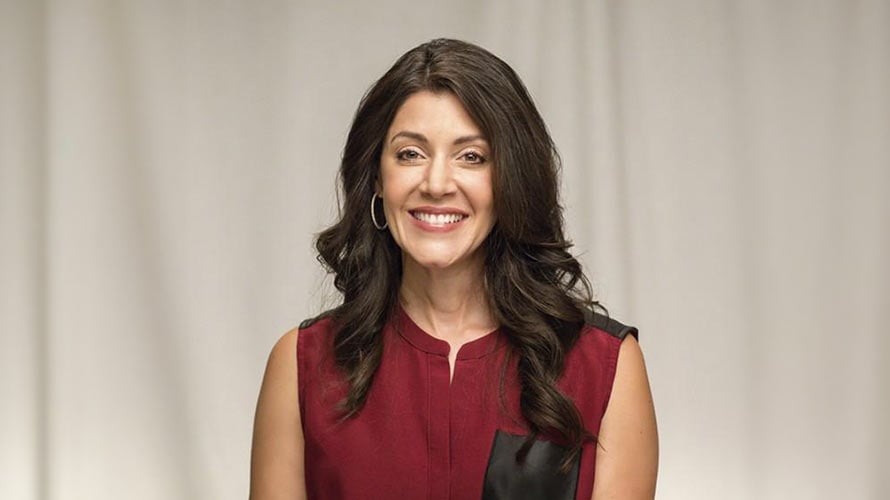
"Moffitt’s doctors tell you everything you need to know but they let you make the decisions that best suit your lifestyle."
Jeanine, Thyroid Cancer Patient
Request an AppointmentWhat are the risk factors for thyroid cancer?
Scientists have identified several risk factors for thyroid cancer, including lifestyle and environmental influences that can be controlled to some extent, and genetic and biological characteristics that cannot.
Thyroid cancer risk factors that can be controlled
Certain risk factors for thyroid cancer can sometimes be reduced or avoided. These include:
- Low-iodine diet – Iodine deficiency may increase the risk of certain types of thyroid cancer. In countries where iodine is routinely added to table salt, this is less common. However, in areas without iodine supplementation, deficiency is more likely to play a contributing role.
- Radiation exposure – Prior exposure to high levels of ionizing radiation, particularly through radiation treatment delivered to the head and neck area during childhood, can increase the risk of thyroid cancer. Limiting unnecessary radiation exposure, especially in medical imaging, may help lower the risk.
Thyroid cancer risk factors that cannot be controlled
Other risk factors for thyroid cancer are related to genetics or biological differences that cannot be changed. These include:
- Age – Although thyroid cancer can occur at any age, it is most often found in people younger than 55.
- Family history – Certain inherited genetic mutations and syndromes, including Carney complex, Cowden syndrome, familial adenomatous polyposis (FAP) and multiple endocrine neoplasia type 2 (MEN2), can increase the risk of thyroid cancer.
- Female gender – Thyroid cancer is diagnosed more frequently in women than in men. The reason is unknown.
- Personal history of thyroid disease – Certain thyroid conditions, including benign nodules (adenomas), goiter (enlarged thyroid) and some types of thyroiditis (inflammation), are associated with an increased risk of thyroid cancer.
Florida's Cancer Center of Excellence
Moffitt is a Cancer Center of Excellence by the state of Florida. The designation recognizes providers that exceed service standards and excel in providing quality, comprehensive and patient-coordinated care.
Can thyroid cancer be prevented?
While many thyroid cancer risk factors cannot be controlled, there are ways to reduce the risk. Staying informed about risk factors, watching for symptoms, limiting unnecessary radiation exposure and maintaining adequate iodine intake can all play a role in thyroid cancer prevention.
Additionally, individuals at heightened risk for thyroid cancer—especially those with a hereditary cancer syndrome, such as MEN 2—may benefit from periodic medical checkups, which can help detect thyroid abnormalities early.
Benefit from world-class care at Moffitt Cancer Center
The highly respected oncologists at Moffitt can provide individualized advice and guidance about any aspect of thyroid cancer, including its causes, risk factors and prevention. We also offer the latest treatment options, including a robust portfolio of clinical trials, in a single convenient location.
If you would like to learn more about thyroid cancer causes and risk factors, you can request an appointment with a specialist in the Thyroid Clinic at Moffitt by calling 1-888-663-3488 or submitting a new patient registration form online. We do not require referrals.