Immunology Department
Message from the Chair:
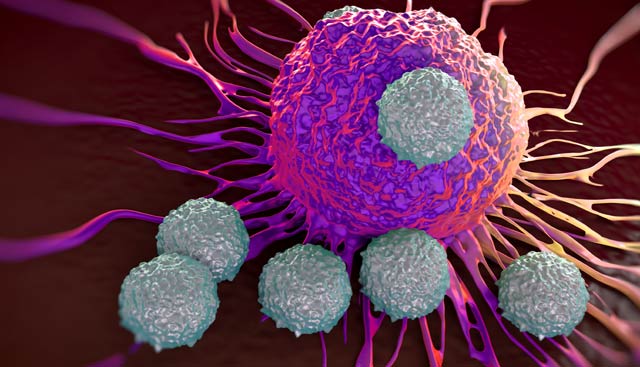
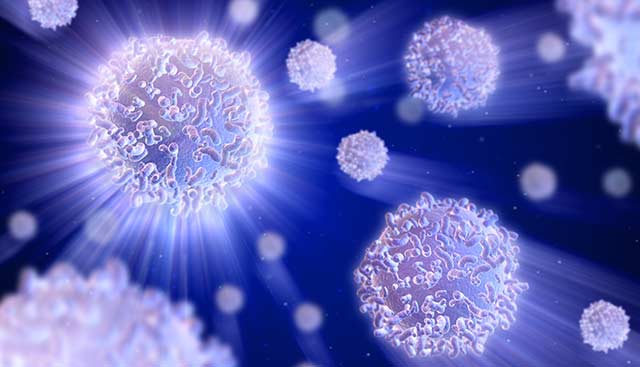
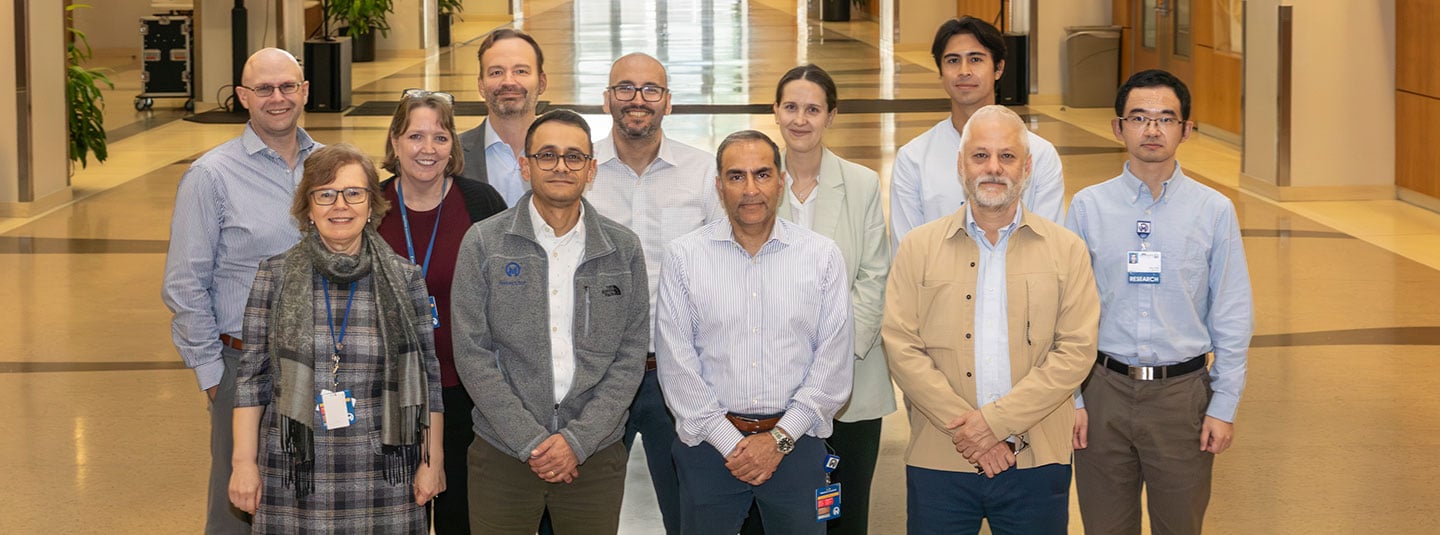
The Department of Immunology aims to support Moffitt's mission, "To contribute to the prevention and cure of cancer," and its vision, "create revolutionary breakthroughs and innovations that rapidly impact and save more lives." Our overarching goals are to: 1) foster a rigorous and highly interactive academic environment focusing on high-impact research in Immuno-Oncology and innovative immunotherapy clinical trials 2) support the training of world-class trans-disciplinary graduate students and post-docs in basic and translational tumor immunology. Thus, our department fosters breakthrough discoveries of mechanisms regulating immune evasion and resistance to immunotherapy, and the implementation of the next-generation immune-based treatments for cancer. We used cutting-edge strategies and models to conduct Immuno-Oncology research centered on multiple themes, including the biology and functional rewiring in cancer hosts of immune cells (T cells, Myeloid subsets, NK cells, and others), gene regulation and signal transduction, epigenetics, immune metabolism, engineering of immune cells for immunotherapy, structural immunology, and characterization of new targets for immunotherapy. The department activities are developed by 14 primary members and 15 secondary appointees.
The activities from the Department of Immunology are coordinated with the CCSG-related Immuno-Oncology (IO) Program (currently 45 members), which aims to: 1) determine molecular and cellular mechanisms that regulate innate and adaptive immunity against cancer; 2) elucidate, predict, and target pathways governing efficacy, resistance, and toxicity in cancer immunotherapy, and 3) develop and implement anti-cancer cellular therapies. Coordinated efforts between the department and program are based on integrating basic immunology and immunotherapy preclinical discoveries with rapid translation into clinical trials. In turn, clinical data and patient-derived samples from trials inform mechanistic research to further optimize efficacy and reduce the toxicities of further interventions. This "bench-to-bed-and-back" strategy translates immunological discoveries into novel therapies and enables new insights into the mechanisms of immune evasion, therapeutic effectiveness and toxicities. Through these efforts, Moffitt has become a leader in state-of-the-art immunotherapy trials.
Paulo Rodriguez, PhD
Chair, Department of Immunology