
Transurethral Resection of the Prostate (TURP)
Transurethral resection of the prostate, or TURP, is a surgical procedure that may be used to relieve urinary symptoms caused by an enlarged prostate. When prostate tissue presses on the urethra, it can restrict urine flow and lead to problems such as difficulty starting urination, a weakened or interrupted urine stream, frequent urination (especially at night) or a feeling that the bladder does not fully empty. A blockage may also cause recurrent urinary tract infections (UTIs).
TURP is most commonly recommended to treat benign prostatic hyperplasia, also known as benign prostate enlargement. In some cases, the procedure may also be considered for addressing prostate cancer if tumor growth or prostate swelling causes urinary obstruction that affects comfort, sleep or daily activities. In these situations, TURP is typically used to ease symptoms and improve urine flow rather than to cure the cancer.
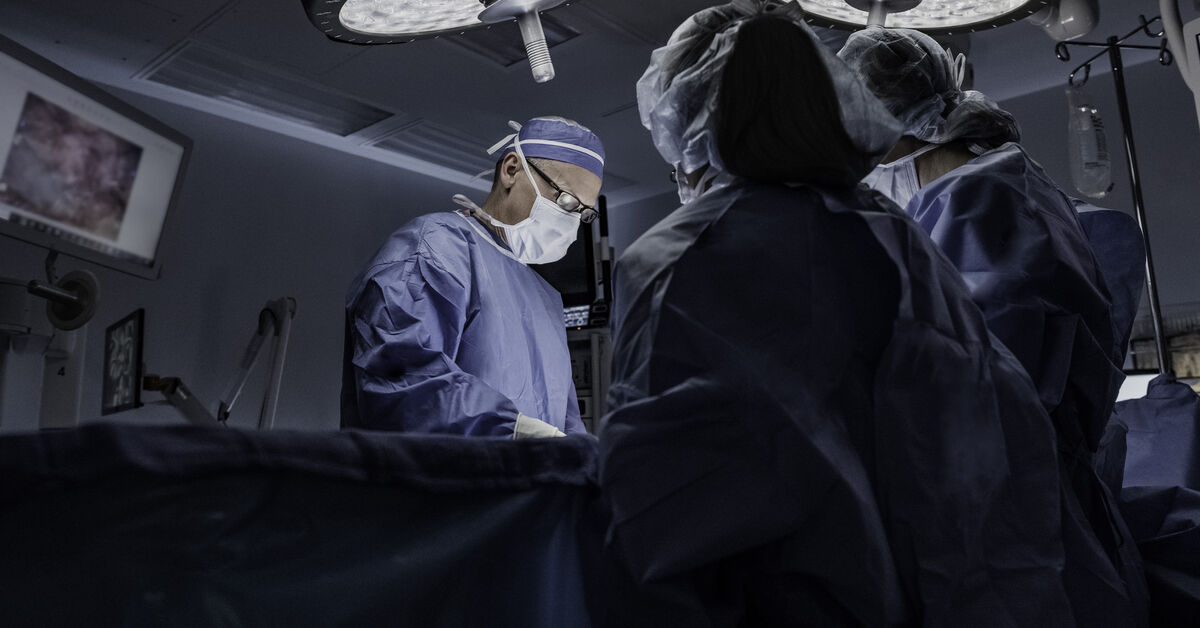
Transurethral resection of the prostate is performed through the urethra using specialized instruments and does not require an external incision. Because the procedure is minimally invasive, it typically results in less pain, a shorter hospital stay and a faster recovery compared with traditional open surgery.
How does transurethral resection of the prostate treat urinary symptoms?
The prostate gland surrounds the urethra just below the bladder. If the prostate becomes enlarged, it can press on the urethra and restrict the flow of urine. TURP aims to remove the portion of the prostate that is causing the blockage.
When performing the TURP procedure, the surgeon will use a specialized surgical instrument (resectoscope) to carefully shave away excess prostate tissue. This can help reduce pressure on the urethra and bladder and restore urine flow.
When is transurethral resection of the prostate recommended?
TURP may be considered if moderate to severe urinary symptoms do not improve with conservative treatments, such as lifestyle training, medication and bladder training, or less invasive therapies. Some minimally invasive outpatient procedures that may be tried before TURP include:
- Prostatic urethral lift (UroLift) – Uses small implants to hold enlarged prostate tissue away from the urethra
- Water vapor thermal therapy (Rezūm) – Uses steam to shrink excess prostate tissue
- Transurethral microwave therapy (TUMT) – Uses heat to destroy prostate tissue
- Transurethral needle ablation (TUNA) – Uses radiofrequency energy to reduce prostate tissue
These options are generally best suited for men with mild to moderate urinary symptoms or a relatively small prostate. TURP may be recommended if the symptoms persist or worsen, or if complications develop despite these treatments.

Prostate Cancer Survival Rates 45% Higher than National Averages
Schedule an AppointmentWho is a candidate for transurethral resection of the prostate?
TURP may be an option if a urinary blockage poses health risks or is significantly affecting the patient’s quality of life. Candidacy for the procedure is determined based on a thorough evaluation of several key factors, including:
- The severity and duration of the urinary symptoms
- The size of the prostate gland
- The patient’s anatomy
- The patient’s response to prior treatments
- The patient’s medical history and overall health
In some cases, transurethral resection of the prostate may be ruled out due to an increased risk of surgical complications or another medical condition, such as a bleeding disorder, serious heart or lung disease, the use of blood thinners that cannot be safely stopped or an active UTI. After completing the evaluation, the healthcare team can determine the safest and most effective treatment approach.
How to prepare for transurethral resection of the prostate
Before TURP, the patient will typically undergo testing to evaluate the prostate and urinary system. This may include blood work, urinalysis and imaging studies. The healthcare team will review the patient’s current medications and may recommend temporarily stopping certain drugs, such as blood thinners. The patient will also be instructed not to eat or drink after midnight on the night before surgery.
What happens during transurethral resection of the prostate?
TURP is performed in an operating room under general or spinal anesthesia. During the procedure, the surgeon will:
- Guide a resectoscope through the urethra
- Use the resectoscope to scrape away excess prostate tissue
- Use fluid to flush the excised tissue into the bladder for removal from the body
The length of the procedure can vary depending on the amount of tissue removed. In many cases, it takes approximately one hour.
What happens during the hospital stay and early recovery?
After TURP, most patients:
- Have a temporary urinary catheter in place to help drain urine while healing begins
- Remain in the hospital for monitoring (usually one or two days)
- Notice blood in the urine for several days
Bladder spasms, urinary urgency and mild discomfort are also common during early recovery. These symptoms usually improve with time.
Once home, the patient will be encouraged to drink plenty of fluids to help flush out the bladder and to avoid heavy lifting and other strenuous activities for several weeks. Urinary symptoms may fluctuate during healing as the bladder and urethra adjust. The full recovery timeline can vary, but many patients experience significant improvement in urine flow within a few weeks of surgery.

Top 1% of Cancer Hospitals
Schedule an AppointmentWhat are the possible risks and side effects of transurethral resection of the prostate?
TURP is generally safe, but like any surgery, it carries some risks. These include:
- Excessive bleeding
- Infection
- Temporary difficulty controlling urination
- Retrograde ejaculation
- Long-term urinary problems (rare)
Before the procedure, the healthcare team will discuss the potential risks with the patient and explain how they apply to the patient’s individual situation.
What does aftercare involve?
After TURP, follow-up visits will allow the healthcare team to assess the patient’s healing, remove the catheter and monitor urinary function. Additional treatments may be recommended depending on the degree of symptom improvement and any underlying prostate conditions.
The patient should contact the healthcare team right away if they experience:
- Fever or other signs of infection
- Inability to urinate
- Severe or worsening pain
- Heavy or persistent bleeding
A prompt medical evaluation can help prevent complications and support recovery.
Benefit from world–class care at Moffitt Cancer Center
At Moffitt, transurethral resection of the prostate is performed by urologic specialists with extensive experience in treating complex prostate conditions, both benign and cancerous. Our approach to care is highly individualized and fully integrated with each patient’s overall treatment plan.
To learn more about TURP or to discuss whether this procedure may be appropriate for you, call 1-888-663-3488 or submit a new patient registration form online to request an appointment with a specialist in the Urologic Oncology Program at Moffitt. We do not require referrals.


Surgery