
Chemotherapy for Thymoma
Thymoma is a rare tumor that forms in the thymus, a small gland located behind the breastbone in the front part of the chest (anterior mediastinum). The thymus plays an important role in immune system development early in life. Thymic epithelial tumors (thymomas) develop when cells in the thymus begin to grow abnormally. Most are slow-growing, but some can behave more aggressively or spread beyond the thymus.
Overall, thymoma is relatively uncommon. In the United States, thymic tumors occur at a rate of approximately 1.3 cases per million people each year, which is roughly equivalent to about 400 new cases diagnosed annually. Because thymoma is rare, it is essential to seek care at a high-volume cancer center such as Moffitt Cancer Center, where the physicians have specialized expertise in diagnosing and treating thymic tumors.
Thymoma is often treatable, and many cases can be managed successfully, particularly when diagnosed at an earlier stage. Treatment options may include surgery, radiation therapy, chemotherapy, targeted therapy (in select cases) and clinical trials. Some thymomas can be cured, especially if the tumor can be fully removed with surgery. In other cases, the goal of treatment may be to shrink the tumor, relieve symptoms, control the cancer over the long term or address cancer spread (metastasis).
Chemotherapy may be considered for thymoma if:
- The tumor is large or invasive and needs to be shrunk to increase the likelihood of successful surgical removal
- Surgery is not possible due to the location or extent of the tumor
- The cancer has spread beyond the thymus or returned after earlier treatment
Chemotherapy may also be administered along with radiation therapy as part of a combined treatment approach.
To determine whether chemotherapy is appropriate and how it should be used in the treatment plan, the healthcare team will consider the type and stage of the tumor and the patient’s overall health and treatment goals.
-

400
new cases of thymoma diagnosed annually in the U.S.
-

1.3
cases per million people are diagnosed annually in the U.S.
What is chemotherapy, and how does it work?
Chemotherapy, often called “chemo,” is a systemic cancer treatment that uses powerful medications to destroy cancer cells or stop them from growing. Because chemo drugs circulate in the bloodstream, they can reach cancer cells that have spread throughout the body.
Chemotherapy works by targeting rapidly dividing cells. Because cancer cells often reproduce faster than healthy cells, they can be especially sensitive to these medications. However, some normal cells also multiply quickly, including cells in the bone marrow, digestive tract and hair follicles. Since chemotherapy can also affect these healthy cells, side effects may occur, but most are temporary and manageable.
For thymoma, chemotherapy is usually given as a combination of medicines. For example, a standard regimen might include cisplatin, cyclophosphamide, doxorubicin, paclitaxel, carboplatin and/or etoposide.
What are the goals of chemotherapy for thymoma?
Chemotherapy may be used at different points in thymoma treatment. The healthcare team will explain the goals based on the patient’s diagnosis and overall treatment plan.
Chemotherapy for thymoma may be recommended to:
- Shrink the tumor before surgery to make it safer and easier to remove
- Control the growth of the cancer if the tumor cannot be removed surgically
- Reduce symptoms caused by tumor pressure in the chest, such as coughing or shortness of breath
- Destroy microscopic cancer cells that remain after surgery or radiation therapy
- Treat thymoma that has spread beyond the thymus or returned after earlier treatment
How is chemotherapy for thymoma administered?
Chemotherapy for thymoma may be delivered in several ways:
- Intravenous (IV) infusion through a vein in the arm
- A port or central line that provides reliable access to a larger vein for repeated treatments and can make infusions more comfortable
- Oral medications, though most thymoma chemotherapy regimens are given by IV
Most patients receive chemotherapy in cycles. A cycle typically includes one or more active treatment days followed by a rest period that allows the body to recover. The treatment schedule and the total number of cycles will be determined based on the medications used, the goals of therapy and how well the patient tolerates it.

Top 1% of Cancer Hospitals
Schedule an AppointmentWhat to expect before, during and after chemotherapy for thymoma
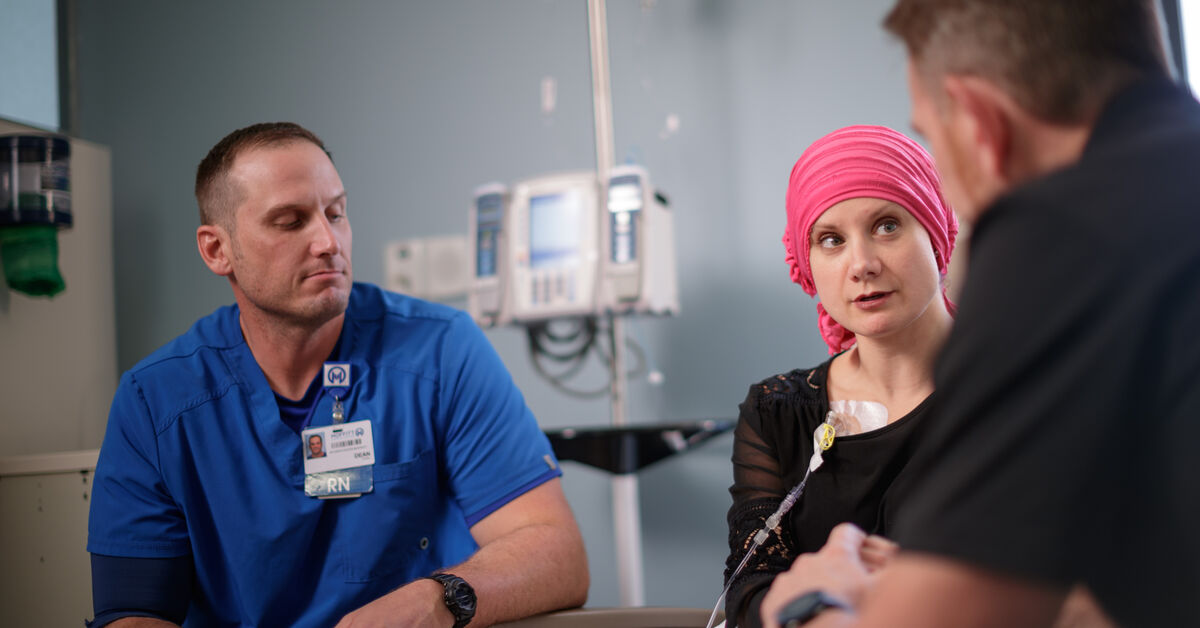
Starting chemotherapy can feel overwhelming, but understanding the process ahead of time can help the patient feel more prepared and in control. Thymoma care is typically coordinated by a multispecialty team with experience treating thymic tumors. The healthcare team may include:
- A medical oncologist who oversees chemotherapy
- Oncology nurses and infusion specialists who provide treatment and day-to-day support
- A thoracic surgeon and radiation oncologist, when surgery or radiation therapy is part of the plan
- Pharmacists who help manage chemotherapy and supportive medicines
- Supportive care specialists, including nutritionists, rehabilitation experts and social workers
The team will review the recommended regimen, explain the potential side effects and answer any questions throughout treatment.
Preparing for chemotherapy for thymoma
Before chemotherapy begins, the patient will be scheduled for various consultations and tests to confirm the treatment is appropriate and establish baselines for monitoring. Preparation may include:
- An appointment with a medical oncologist to review the diagnosis and plan treatment
- Imaging studies, such as computed tomography (CT) scans, to measure the thymoma and evaluate the extent of the cancer
- Blood tests to check kidney function, liver function and blood cell counts
- A cardiac evaluation, if the prescribed drugs can potentially affect the heart
- A discussion about fertility preservation, if relevant
- Port placement, if the healthcare team recommends a long-term IV access device
- Guidance on hydration, nutrition and supportive medications to help prevent nausea or infection
The healthcare team will also review the patient’s current prescriptions, supplements and over-the-counter remedies to help avoid drug interactions and reduce the risk of complications.
During chemotherapy for thymoma
On active treatment days, chemotherapy is typically administered at an outpatient infusion center. The visit may include several steps to ensure safe and effective treatment. After arriving and checking in, the patient can expect:
- A discussion about any side effects that developed or worsened since the last visit
- A vital signs check
- Blood work, if needed to confirm it is safe to proceed with treatment
- Premedications to help prevent nausea, allergic reactions or other side effects
- IV infusion of the chemotherapy drugs, which can take up to a few hours
- Ongoing monitoring during the infusion
- Supportive care as needed
The healthcare team will also provide comfort measures, education and instructions for home care. The patient should bring a list of questions, something to read or watch and any items that can help them feel more comfortable during the infusion.
After chemotherapy for thymoma
While resting between infusions, the patient will be instructed to watch for side effects as their body recovers. To promote recovery, the healthcare team may recommend:
- Drinking plenty of fluids (unless the patient has specific restrictions)
- Eating high-protein, nutrient-dense foods when possible
- Staying active with light movement, as tolerated
- Using prescribed medications to manage nausea or other symptoms
- Keeping a daily log of side effects, body temperature and energy levels
- Attending scheduled lab checks or follow-up visits
The patient should promptly report any side effects, such as fever, shortness of breath, chest pain, severe fatigue, uncontrolled vomiting or signs of dehydration. Reporting these symptoms early can allow the healthcare team to intervene quickly and keep thymoma treatment on schedule.
What are the possible side effects of chemotherapy for thymoma?
Chemotherapy is designed to destroy cancer cells, but it can also affect healthy cells that divide quickly. As a result, side effects may occur, which can vary depending on the medications used, the dose, the length of treatment and the patient’s overall health.
Most side effects of chemotherapy are temporary and manageable, and the healthcare team can recommend medications or supportive care strategies to help alleviate any discomfort. The most important step the patient can take is to report any side effects promptly so they can be addressed early.
Common side effects of chemotherapy for thymoma
Most patients experience some side effects during chemotherapy, which may include:
- Fatigue – The patient may feel unusually tired or have reduced stamina for daily activities.
- Nausea and vomiting – Some chemotherapy drugs can upset the stomach, although anti-nausea medications can help.
- Loss of appetite – Certain foods might taste unpleasant or different, and the patient may not feel hungry even when their body needs nutrition.
- Hair thinning – Certain chemotherapy medicines can affect rapidly dividing cells in the hair follicles, resulting in temporary hair loss.
- Low white blood cell counts (neutropenia) – Because neutropenia can increase the risk of infection, the healthcare team will monitor the patient closely and provide supportive medications as needed.
- Low red blood cell counts (anemia) – Anemia can cause fatigue, weakness or shortness of breath.
- Low platelet counts (thrombocytopenia) – Thrombocytopenia can increase the risk of excessive bleeding and bruising.
- Mouth sores – Tenderness or sores may develop in the mouth, making eating uncomfortable.
- Diarrhea or constipation – Digestive changes are common during chemotherapy and can often be managed with dietary adjustments and medications.
- Nerve changes (neuropathy) – Some drugs may cause pain, numbness or tingling sensations in the hands and feet.
Possible long-term and late-onset side effects of chemotherapy for thymoma
Some chemotherapy medicines can cause side effects that persist after treatment ends or appear later. The healthcare team will discuss the specific risks and monitor the patient over time.
Possible long-term or late-onset side effects of chemotherapy for thymoma include:
- Persistent neuropathy – Numbness or tingling sensations in the hands and feet may continue, especially with certain drug types.
- Cardiac effects – Some chemo medicines can affect heart function, which is why cardiac monitoring may be recommended with select regimens.
- Kidney function changes – Because certain drugs may affect the kidneys, the healthcare team will continually monitor lab work and encourage hydration.
- Hearing changes – Some platinum-based drugs can contribute to ringing in the ears or hearing loss.
- Fertility changes – Depending on the patient’s age and treatment type, chemotherapy can potentially affect fertility, which is why pretreatment counseling may be important.
- Secondary cancers – Rarely, chemotherapy can increase the risk of developing another cancer later in life.
How to manage daily life during chemotherapy for thymoma
Maintaining quality of life is an important aspect of cancer care. Simple daily strategies can help the patient feel better and reduce the risk of complications. Helpful tips include:
- Nutrition – The patient should aim to consume a balanced diet with sufficient protein, healthy fats and complex carbohydrates. Eating smaller, more frequent meals can help manage a reduced appetite. If needed, a registered dietitian can help address any taste changes, weight loss or digestive symptoms.
- Hydration – Unless the healthcare team advises otherwise, the patient should drink plenty of water and other fluids consistently throughout each day, especially on treatment days.
- Activity – Light exercise, such as walking, can support energy, mood and circulation. However, the patient should always listen to their body and rest whenever needed.
- Infection prevention – To avoid spreading germs, the patient should wash their hands often, avoid close contact with people who are ill and monitor for fever. During chemotherapy, low white blood cell counts can increase infection risk.
- Medication management – The patient should take any necessary supportive medications, such as anti-nausea agents, exactly as prescribed.
- Follow-up care – The patient will be scheduled for periodic lab testing and medical visits, allowing the healthcare team to adjust the treatment plan as needed and address any side effects.
- Emotional support – The patient might consider exploring support groups, counseling or spiritual care resources, especially if stress or anxiety becomes difficult to manage during treatment.
Benefit from world-class care at Moffitt Cancer Center
Because thymoma is relatively uncommon, a specialized evaluation can make a meaningful difference in the patient’s outcome and quality of life. Moffitt offers highly coordinated thymoma care delivered by experienced specialists, providing access to the latest innovations in surgery, radiation therapy, chemotherapy and clinical trials in one place.
Moffitt is also a National Cancer Institute (NCI)-designated cancer center, a distinction awarded to cancer centers that meet rigorous standards for research, education and community outreach. This recognition reflects our commitment to quickly translating our scientific discoveries into advanced, individualized treatment options and clinical trials that can benefit current and future patients.
Chemotherapy for thymoma is available at all Moffitt locations, and we do not require referrals. If you would like more information, you can request an appointment with a specialist in our comprehensive Thymoma Program by calling 1-888-663-3488 or submitting a new patient registration form online.