5 Questions With a Lefty
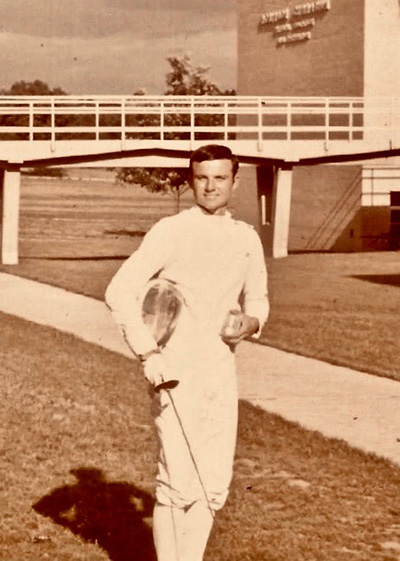
Robinson fenced at the University of Kansas in 1965.
For International Left-Handers Day, we spoke with Dr. Lary Robinson, director of the Lung Cancer Early Detection Center at Moffitt Cancer Center who manages the indeterminant lung nodule clinic and who just happens to be left-handed. In fact, he comes from a long line of left-handers — his father and his grandfather both were, too. Here he talks all about what it’s like to be a part of the only 10% of left-handers making up our world’s population.
What are some advantages of being left-handed?
Most people think we must have a lot of disadvantages, but there really are some advantages. I think as a left-hander you have a greater capability to do more things with both hands. A lot of us may prefer to use our dominant hand, but most left-handed people are able to do almost everything with either hand. I can eat with my right hand. When I did surgeries, I used it in the operating room whenever necessary. I frequently sewed stitches right-handed or left-handed, which always surprised the surgical scrub nurses. It certainly gave me the upper hand when I fenced in college — your opponent is used to right-handed opponents, so everything is kind of backwards when fencing a left-hander. You definitely have an advantage.
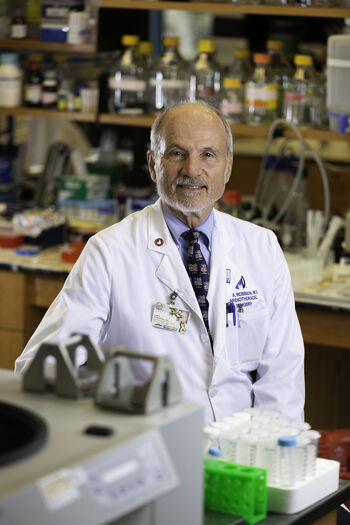
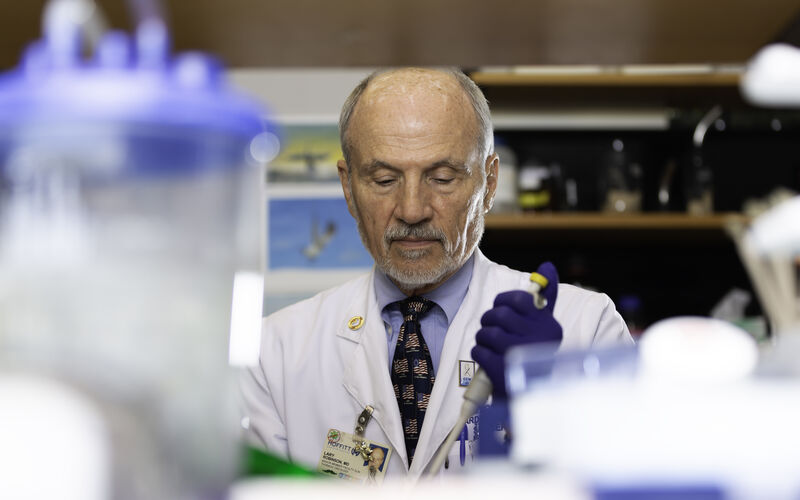
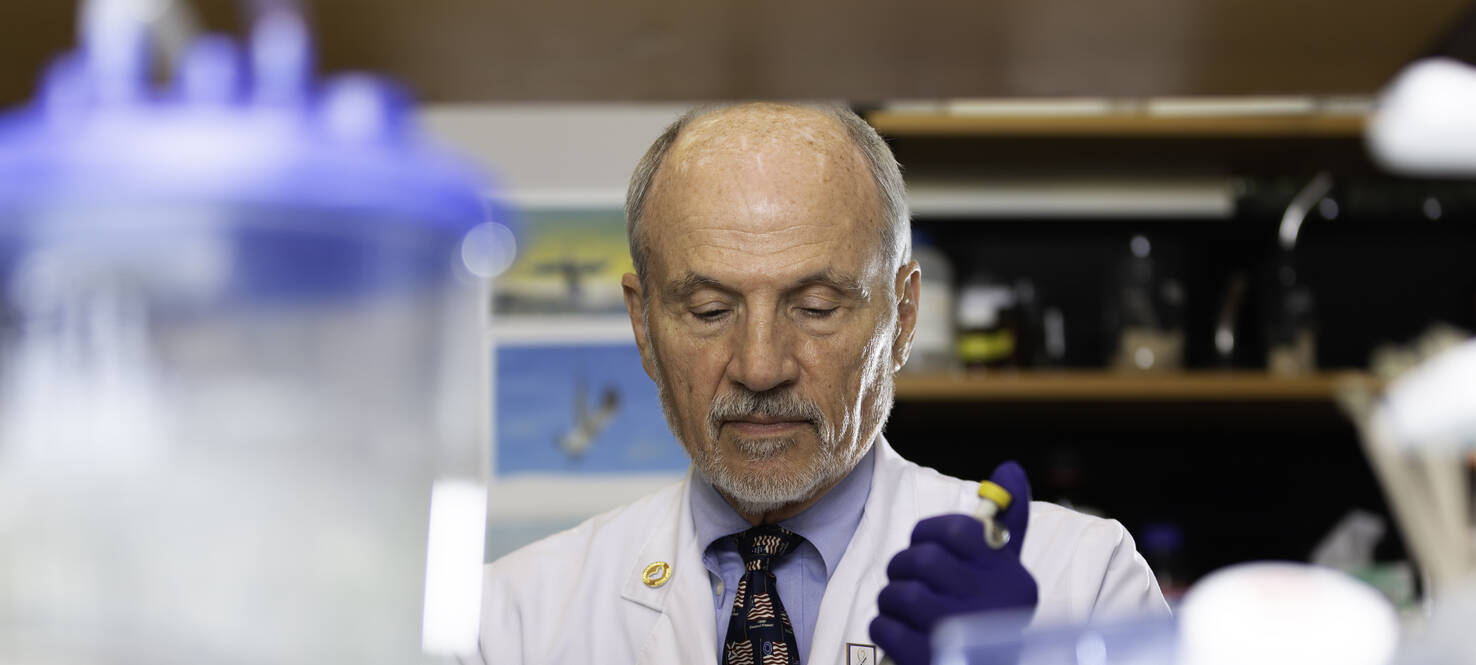
Robinson in the lab at Moffitt Cancer Center.
How about disadvantages?
Almost everything in our world is suited toward right-handed people. The toilet paper is on the wrong side of the commode for lefties. The handle on a drinking fountain is always on the right. People always assume you want to sit at the end of the dinner table so you don’t bump elbows. I play a little guitar and strings are always set up for right-handed people. It’s sort of a cross you bear, but most of us [left-handers] have gotten quite used to it.
As a surgeon, was there anything you did differently in the operating room?
When I went through my nine years of residency, nothing was set up differently to accommodate being left-handed — they don’t really make any changes in the operating room, so that’s how you learn to operate in a right-hander’s world. The scrub nurses may try to put your left glove on first, knowing that you’re left-handed, but that’s about it.
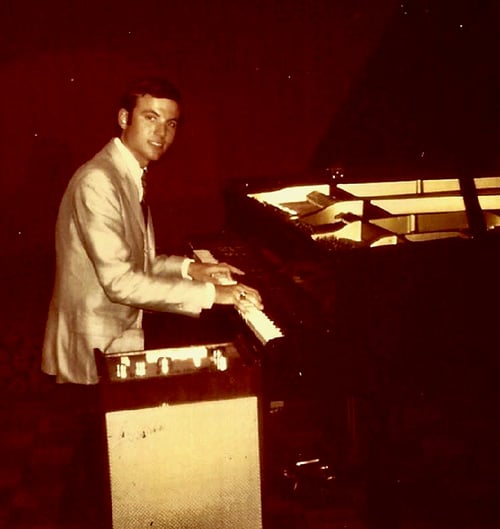
Robinson in the summer of 1965 when he played at the piano bar at Tan-Tar-A Resort at the Lake of the Ozarks in central Missouri.
Are surgical instruments different depending on a surgeon’s laterality?
You can get special left-handed instruments, but I learned using right-handed instruments and I was accustomed to using them. It can really be difficult to tell right- and left-handed instruments apart, so I suspect that if they went through sterilization they likely would just get mixed in with the rest.
It’s often noted that left-handers tend to be more creative than right-handers. Do you have any creative talents?
I play the piano. I actually played professionally in a piano bar in college. For my obligatory midlife crisis, I didn’t buy myself a Porsche, but rather I bought a Steinway Concert Grand Piano. And though you won’t find me at Barnes & Noble, I also write a lot, both fiction and nonfiction.