Moffitt Study Supports Gene-Tailored Radiation Doses To Treat HPV-Positive Throat Cancer
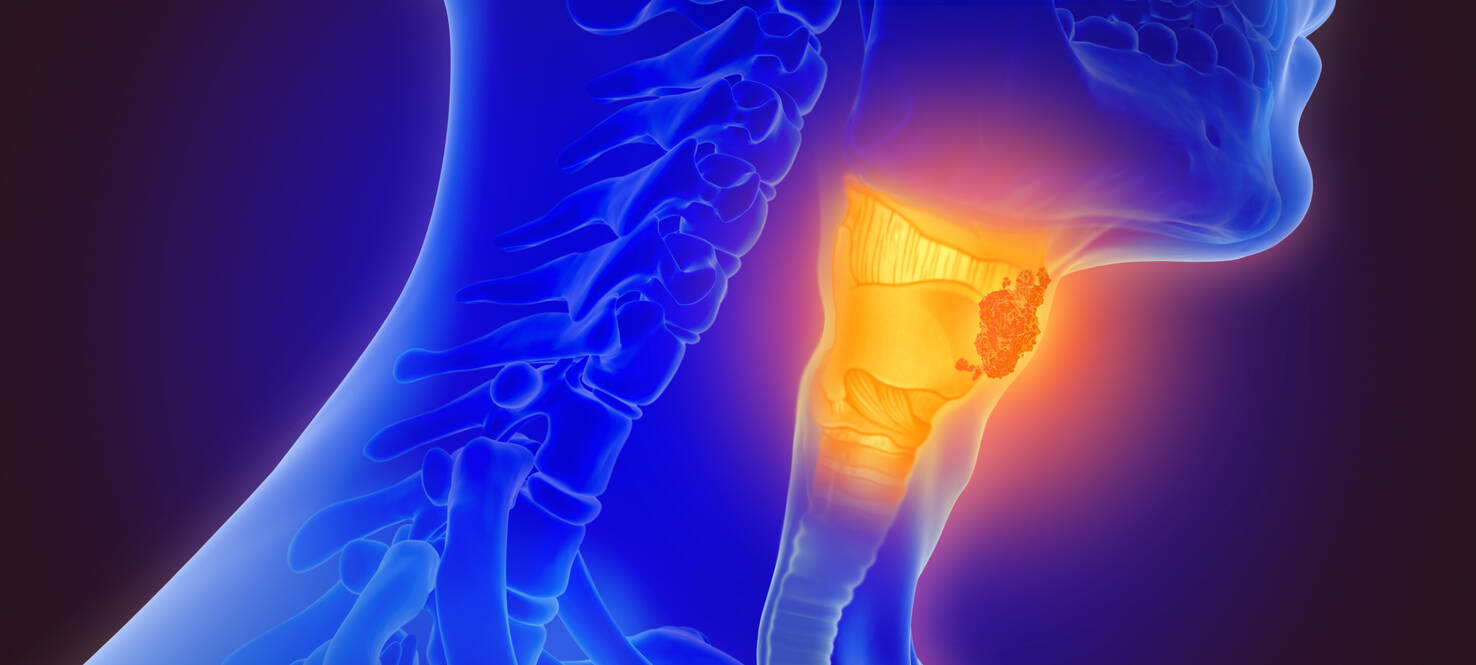
TAMPA, Fla. — Genetic testing can identify patients with HPV-positive throat cancer who may benefit from lower radiation doses, according to a new study co-led by researchers from Moffitt Cancer Center and Cleveland Clinic. The study, published in the Journal of Clinical Investigation, builds on a growing body of evidence that radiation treatment can be personalized using tumor genomics, potentially shifting treatment approaches from the norm, where radiation is prescribed at a uniform dose, to one called Genomic Adjusted Radiation Dose (GARD), where radiation is prescribed to a desired effect.
The current standard radiation dose for HPV-positive throat cancer is 70 Grays, which offers cure rates between 80% and 95% but can cause long lasting side effects like problems with swallowing and breathing. So far, attempts to lower radiation doses (for example, to 60 Grays) have failed in clinical trials. There have been no proven strategies for de-escalating the dose.
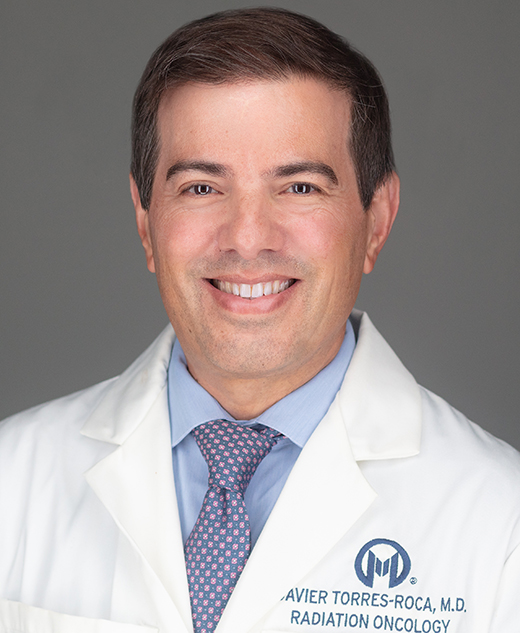
They turned to the Genomic Adjusted Radiation Dose model, which Javier Torres-Roca, M.D., a radiation oncologist at Moffitt, developed in collaboration with Jacob Scott, M.D., D.Phil., a radiation oncologist at Cleveland Clinic.
GARD uses tumor gene expression to calculate the minimum radiation dose required to control cancer. Unlike models that rely only on clinical features such as tumor size or smoking history, GARD integrates genomic data from 10 radiosensitivity genes to predict patient-specific response.
Scott and Torres-Roca previously validated GARD across multiple cancer types. To see whether GARD could be used in HPV-positive head and neck cancer, researchers teamed up with Lisa Licitra, M.D., a head and neck oncologist at the Fondazione IRCCS Istituto Nazionale dei Tumori in Milan, Italy. Licitra and her team were the driving forces behind the Big Data to Decide Project, the world’s largest head and neck cancer patient database.
“This work builds directly on nearly two decades of research into radiosensitivity and genomics,” Torres-Roca said. “We’ve shown that integrating genomics into radiation oncology is not only feasible but essential if we are to move past the limitations of one-size-fits-all dosing.”
Analyzing data from 191 patients in the database confirmed that higher GARD scores were associated with improved survival outcomes, even when patients received the same radiation dose. The researchers then applied GARD retrospectively to participants from an unsuccessful 2024 clinical trial that tested 60 Grays instead of 70 Grays. While overall survival was slightly lower at 60 Grays (96–98% vs. 99%), GARD analysis revealed that about 22% of patients would likely have maintained excellent outcomes at a lower personalized dose.
“This is critical context for planning the next wave of clinical trials,” Licitra said. “It shows that genetics can help us select the right patients for reduced doses, which is something we couldn’t do before.”
The team hopes these findings will pave the way for new clinical studies that integrate GARD into decision-making before treatment begins.
“We already have open trials using GARD in other cancers,” Scott said. “To our knowledge, this is one of only two approaches that have successfully lowered radiation dose for patients. We’re close to reaching the holy grail in radiation oncology, moving to truly personalized treatment.”
This study was supported by the National Cancer Institute (U54-CA274513), European Union Horizon 2020 Framework Programme (689715), AIRC (23573) and ERA-NET ERA PerMed JTC2019/FRRB project SuPerTreat.
About Moffitt Cancer Center
Moffitt is dedicated to one lifesaving mission: to contribute to the prevention and cure of cancer. The Tampa-based facility is one of only 57 National Cancer Institute-designated Comprehensive Cancer Centers, a distinction that recognizes Moffitt’s scientific excellence, multidisciplinary research, and robust training and education. Moffitt’s expert nursing staff is recognized by the American Nurses Credentialing Center with Magnet® status, its highest distinction. For more information, call 1-888-MOFFITT (1-888-663-3488), visit MOFFITT.org, and follow the momentum on Facebook, X, Instagram and YouTube.
###