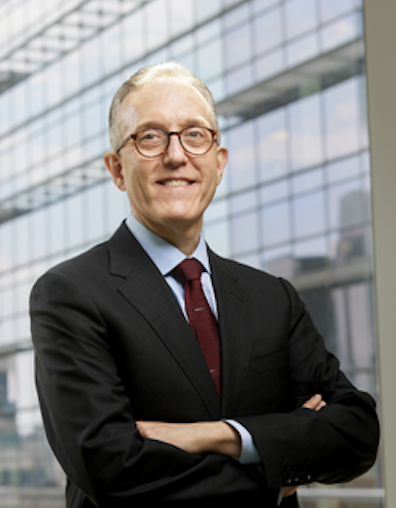
Pioneering the Evolution of Immunotherapy, ft. Dr. Jedd Wolchok
Dr. Patrick Hwu is joined by Dr. Jedd Wolchok, director of the Sandra and Edward Meyer Cancer Center at Weill Cornell, and a global leader in immune checkpoint blockade therapy. Dr. Wolchok recounts his early days in the lab of immunotherapy legend Dr. Lloyd Old and reflects on the transformational impact of CTLA-4 and PD-1 inhibitors. A key architect of these therapies’ clinical success, he shares the stories behind the trials that reshaped treatment for melanoma and beyond. The discussion also dives into the future: tackling resistance, optimizing combinations, and staying grounded in patient-focused, translational science.
What You’ll Learn from Dr. Wolchok
- How early immune checkpoint blockade trials transformed metastatic melanoma from a nearly uniformly fatal diagnosis into one with 10-year survival rates approaching 50%.
- Why combining CTLA-4 and PD-1 blockade changed the field — and how those combinations were translated from animal models into landmark clinical trials.
- How managing immune-related toxicities became foundational to safely expanding immunotherapy.
- What’s next in immunotherapy, including bispecific antibodies, T-cell engagers and engineered cell therapies.
Podcast Transcript
Key Takeaways
- Immune checkpoint blockade fundamentally reshaped cancer care, turning proof of principle into durable, long-term survival for patients with metastatic melanoma.
- Combination immunotherapy significantly increased response rates, demonstrating the power of rational, science-driven clinical development.
- Toxicities from checkpoint blockade are mechanistically linked to immune activation — and are largely manageable with established algorithms.
- The future of immunotherapy lies in expanding benefit to patients whose tumors are not naturally immunologically “hot,” through redirected or engineered immune strategies.
- Advances in tumor immunology are bidirectional, informing not only cancer treatment, but also therapies for autoimmune disease.
Patrick Hwu, MD: Welcome to The ImmunoVerse, a podcast that brings the ever-expanding universe of immunotherapy to life through the voices of those advancing this groundbreaking field. I'm Dr. Patrick Hwu, president and CEO of Moffitt Cancer Center and a career immunologist. In each episode, I sit down with pioneering experts who have shaped the past, present and future of immunotherapy, uncovering breakthroughs, challenges, and the science driving this lifesaving innovation. Today we have with us Dr. Jedd Wolchok, Meyer Director of the Sandra and Edward Meyer Cancer Center at Weill Cornell Medicine, and a globally recognized leader in cancer immunotherapy. Dr. Wolchok’s groundbreaking work in melanoma helped launch the field of immune checkpoint blockade. He was instrumental in the clinical development of CTLA-4 and PD-1 inhibitors – work that has extended and saved lives around the world. Today, he continues to lead cutting edge efforts to understand resistance, develop novel combinations and translate discoveries from bench to bedside. His commitment to thoughtful, science-driven progress has set a high bar for the entire field. Welcome to the ImmunoVerse, Dr. Wolchok.
Jedd Wolchok, MD, PhD: Thank you. Dr. Hwu.
Hwu: So, tell me, you've been in immunotherapy research for a long time. How did you first get interested in immunology and immunotherapy?
Wolchok: That's a great question. And so I'd have to date my interest back to the prior century to actually 1984, when as a college student, I was hired to work in the laboratory of Dr. Lloyd Old and his younger protege, Dr. Alan Houghton. As you of course remember Patrick, Dr. Old was one of the real parent figures of the field of immunotherapy, and I was really introduced to the field of translational research where I would accompany Dr. Houghton on patient visits in the morning and then bring the patient's blood samples back to the laboratory, where amazingly, as a college student, I was the entire pharmacokinetics department for this clinical trial, developing tests to detect how much of the antibody was in the patient's bloodstream at any point in time. And if we think about it now, in 2025, a short 41 years later, there are teams of people in pharma that do this kind of work. Not 19-year-old college students, but the world has come a very long way. What was very motivating to me was to see patients responding to immunotherapy treatment. We know that there were challenges to that approach. It was a mouse antibody, which patients can only receive a few doses for, before anti-drug antibodies developed, but still, there was proof of principle that the immune system could control cancer through one of its, in this case, protein products of an antibody. I then really went to graduate school at New York University School of Medicine, where I worked with Dr. Jan Vilcek, looking at the biology of tumor necrosis factor, and then returned to Memorial Sloan Kettering to work with Alan Houghton on the development of cancer vaccines in mouse models. And that was a very enlightening moment for me because this was the mid 1990s and the world, the scientific world and the clinical world were still very speculative about the ability of the immune system to convey a true therapeutic effect for more than a few cancer patients. And in animal models, I saw the ability of the immune system, in this case, using cancer vaccines to prevent the outgrowth of melanoma. And that instilled in me a desire to stick with this field and move it forward. And eventually that led me to investigate checkpoint blockade in the clinic.
Hwu: That's great. And I see a lot of the leaders in the field have had early interactions with some of the visionaries that helped create this field like Lloyd Old. And so it's really wonderful to see the late Dr. Old, I'm sure would be very proud of everything that you've accomplished.
Wolchok: Thank you.
Hwu: So, tell me about that immune checkpoint blockade. You were right in the front and center as it was coming on board. You directed and led many of those early, early clinical trials of immune checkpoint blockade. Tell me about the first patients that you saw that responded to that.
Wolchok: Yeah, so I became involved in some of the earlier studies of a drug that's now called Ipilimumab. At the time, it was called MDX-010, and it's a fully human antibody to a critical immune checkpoint molecule, CTLA-4. I learned of the work of Dr. Jim Allison, who at the time was being recruited from UC Berkeley to Memorial Sloan Kettering as someone who would become a colleague, mentor and friend and bandmate, actually. And Jim introduced me to some of the clinical team at Medarex and Bristol Myers that were putting together the plans for some of these early clinical trials. I was the principal investigator for the trial that ultimately led to the approval of Ipilimumab. I was the site PI at Memorial Sloan Kettering, and one of the first patients that I had the privilege of treating went into a clinical complete response at the age of 25, with a very significant burden of disease of metastatic melanoma and really looking at a life expectancy that was short.
And now it's literally 20 years later from when she participated in this blinded, randomized clinical trial and she remains alive and well after only receiving three months of treatment on that study. And it was thrilling to me, of course, to be able to see the science translated quite forcefully into clinical benefit. Here was a young woman who was staring death in the face and who had no other treatment options quite literally, and within a few months was returned to a state of health that allowed her to have a very positive outlook on life. Within a year after demonstrating a complete response, she proudly announced that she was pregnant, and we very, very cautiously waited for news about how the first child born from a parent who had received checkpoint blockade would appear to be. And those kids, she's now had two of them completely healthy, very, very active now teenagers.
Hwu: That's wonderful. And it's great to hear stories of long-term durable response with these early immune checkpoint blockade and must have been very fulfilling for you to see anti CTLA-4 Ipilimumab approved by the FDA for melanoma patients. And then however, only a small percentage of patients get that long-term durable cure. So that's why you started using combinations of agents with higher response rates. I remember seeing you at a meeting very excited, and you said, we're giving this new combination and everybody seems to be responding. Talk about that.
Wolchok: Yeah, so you're absolutely correct, Patrick, that when we look at the data from single agent Ipilimumab, even in a disease that is quite sensitive to immune modulation melanoma, the aggregate number of people who benefit is about 20%. And of course that is better than what we had before, but still not nearly good enough for a disease that had such a high fatality rate. And so I think largely because of the albeit modest success that Ipilimumab had demonstrated in the clinic, there was a renewed sense of optimism around immunotherapy as a way to control cancer. And other pathways began to undergo rapid clinical development, including the PD-1 pathway, which is another molecular break that prevents the immune system from becoming overly activated. And a class of medicines that block the PD-1 pathway rapidly entered clinical trials on the heels of Ipilimumab and began to show quite high levels of clinical response in the mid 40% range for melanoma, but importantly for other cancers as well.
And that was an eye opening moment for many people, that it wasn't just a relatively uncommon kind of skin cancer compared with basal cell cancer, a squamous cell cancer that was responding to immunotherapy. But now we were talking about major public health problems like non-small cell lung cancer as well as kidney cancer, bladder cancer that were showing responsiveness to PD-1 blockade. Now, because of some very important basic science research, we knew that if you combine CTLA-4 blockade with PD-1 blockade in animal models, you could see more tumor survival, more anti-tumor effect. And so, we sought to bring that into the clinic and in fact, launched a phase one clinical trial probably back in about 2009 that looked at escalating doses of Ipilimumab and Nivolumab, which was a PD-1 blocking antibody that was first developed by Medarex and Ono. And then there was a lot of excitement at the beginning because we were seeing about 60% of people with metastatic melanoma who were showing rapid and durable regressions of even very heavy burdens of disease.
We also saw more side effects because we were combining two different immune modulators together. But that combination went on to become explored in a phase three randomized trial called Checkmate 67, which we just recently reported in the New England Journal of Medicine, the 10 year and final survival outcome data for that study. And I think the fact that we're even talking about 10 year survival data from a diagnosis of metastatic melanoma is enough to cause an initial pause. Because if we think back before Ipilimumab in the pre 2011 era when it was approved, the two-year survival from metastatic melanoma was maybe 5%. And now we're talking about 10 year survival rates between 40 and 50% with melanoma specific survival rates being even higher. So we've seen in melanoma and in other cancers, the impact that cancer immune checkpoint blockade can have.
…that combination went on to become explored in a phase three randomized trial called Checkmate 67, which we just recently reported in the New England Journal of Medicine, the 10-year and final survival outcome data for that study. And I think the fact that we're even talking about 10 year survival data from a diagnosis of metastatic melanoma is enough to cause an initial pause.
Hwu: It's exciting, so much impact on really a terrible diagnosis of advanced melanoma that spreads from the skin to almost anywhere in the body. And now almost half of patients have long-term durable survival. So it's really, really very exciting. And as you mentioned already, there is some additional toxicity when you combine these two drugs that block CTLA-4 and PD-1 together, really great efficacy also some toxicity. Is this manageable?
Wolchok: In general, the toxicity is manageable because all of both the good, the anti-tumor activity and the bad, the toxicity emanates from the underlying immune activation mechanism of action. And so there really is no management difference for the combinations side effects when we compare with management algorithms that were developed for the single agents. So, the work of the initial pioneers to develop ways to control, say the colitis that identified itself as being a not uncommon side effect from Ipilimumab. And I really have to point at the late great Dr. Jeff Weber, who was such an important part of this work, judicious use of corticosteroids TNF blocking drugs. And these remain the cornerstones of management, not just of colitis, but of all of the immune related adverse events that occur. And so we can reverse the vast majority of the toxicities. We've learned how to manage most of the side effects.
Thankfully, the most fierce of those, which is myocarditis or damage to the heart muscle is very, very rare. But that remains a concern, although we have been able to develop management strategies for some of those patients as well. And importantly, I would also say that immunotherapy for cancer has led to advances in the treatment of autoimmune disease. So understanding the biology of say CTLA-4, for example, has led to the development and approval of therapies that use the CTLA-4 blockade paradigm in reverse rather than blocking CTLA-4. Some strategies use CTLA-4 as a way to dampen an overactive immune system in the context of autoimmune disease. So we really see an opportunity to interface with colleagues in rheumatology and autoimmune disease biology to find better treatments for people with a variety of different diagnoses.
Hwu: It's really a great point because in tumor immunology, we try to rev up the immune system against cancer and rheumatology and autoimmune therapy or dampening down the immune responses, just two sides of the same coin.
Wolchok: We used to call it the double-edged sword of cancer immunology.
Hwu: Wonderful. Now you've worked not just in immune checkpoint blockade, but many different kinds of modalities including cancer vaccines. So you actually have an approved cancer vaccine for melanoma in dogs. I know because my late Bichon Frisé, a beloved dog, Maisy, got melanoma. Dogs often get melanoma in the mouth, and she had melanoma. I took her to a specialist, she got it resected, but then we gave her your vaccine, and to the day she died, she never had any melanoma recurrence. And so, it was a really wonderful story. So, tell us about your work with vaccines and how did you get this approved in dogs?
Wolchok: Yeah, so this was really a good example of sort of making lemonade out of lemons. So as I said, when I returned to Memorial Sloan Kettering in 1996 to work with Alan Houghton, I started to work on cancer vaccines. And one of the strategies to target neoantigens or altered proteins that Alan's lab pioneered was we vaccinated against a protein from a different species. So in the case of melanoma, there's a family of proteins that are involved in pigment synthesis, which is what melanoma cells and melanocytes kind of do for a living. They make the melanin pigment that protects our skin from the sun, and these identified themselves as being very good targets for vaccination. And Alan's group noted that if you try to vaccinate a mouse with mouse tyrosinase, the mouse shrugged it off because it's a self protein and a healthy animal is not going to form an immune response.
But if you immunize with the human version of tyrosinase in mice, which is only 15% different, that's enough to fool the immune system into thinking that this is a neoantigen something foreign, and the immune system responds to it. But because it's 85% identical, the T-cells and antibodies that are produced will cross recognize the human and the mouse tyrosinase. And so when I was a fellow, it was tremendously exciting that Alan handed me this project to take out of the laboratory into the clinic, and I wrote a clinical trial to try to immunize humans with mouse tyrosinase, DNA. That was in the year 2000. And unfortunately, in the year 2000, there was a death on the gene therapy trial, which caused the federal government to stop all gene therapy research. And I was left with a bit of a pause. I met a veterinary oncologist over dinner one night, and I asked him if dogs ever got melanoma.
And this veterinary oncologist name is Phil Bergman and he's from out west. And he just looked at me and pulled his beard and he said, Hey, Jedd, dog melanoma is a bad disease, and if you ever really want to do something in that, I'm your guy. And so, we quickly got a clinical trial off the ground at the Animal Medical Center of New York using the clinical products that we had produced for the human clinical trial, so GMP manufacturing, and we immunized a dozen dogs that had been diagnosed with melanoma. And Phil said, this is an uncontrolled observation, but these dogs are living much longer than we would ever expect. And eventually the Tyrosinase DNA vaccine was licensed in 2007 based upon a multi-site clinical trial that was done across the United States. And it remains a commercial product. We can learn a lot, not just from studying cancers in humans, but in the animals that we live with who develop these diseases for the same reasons that we do because of an interaction of their genes and their environment.
Hwu: Well, as anyone with a dog or a pet knows, they're like your own kids. My dog was like my kid. And so thank you for helping dogs with melanoma. A lot of pet owners out there grateful for that. Tell me, there's so many different approaches to cancer therapy, immune checkpoint blockade and vaccines we talked about, but also these new bispecific antibodies, engagers T-cell therapies. How do you think project yourself forward 10 years? How do you think it's all going to fit together, Jen?
Wolchok: I mean, I think that we are at a moment when we can sit back and say perhaps all of the patients who have tumors that are interesting to their immune system, and that immune system just needs to be pushed forward a little bit with checkpoint blockade. Those tumor types, I believe, have been identified, but there are a lot of other people with very common cancers where the immune system seems to not have a lot of interest at baseline, and it may need to be coaxed a little bit more forcefully. And that's where some of the agents that you developed that you mentioned Patrick, like bispecific antibodies or T-cell engagers where you are not disinhibiting an immune response that's already there like you're doing with checkpoint blockade, but rather you are redirecting T cells, immune cells to the tumor based upon essentially a two-headed protein, one of which binds to a molecule on the tumor cell and the other literally grabs any random T-cell that's floating by and pulls it to the tumor and activates it.
That is an alternative to engineered T-cell therapies like CAR T-cell therapies or T-cell receptor engineered T cells where you are outside of the body manipulating immune cells to force them to recognize a target on the tumor and then infusing them like a transfusion. I think we're going to see a lot more of these strategies. I personally hope that engineering a T cell outside the body becomes a more scalable concept, less expensive, less time consuming, more available to more people. We've now thankfully seen the work of your mentor, Dr. Steve Rosenberg, who I know is a prior speaker in this series translated into an FDA approved therapy tumor. Infiltrating lymphocyte therapy is now a reality for people who have melanoma that does not respond to checkpoint blockade. And so we've seen the beginning of this scalability and more widespread availability of cell therapies for cancer, and I think that is going to continue, and I think that will be part of the future of immunotherapy for other cancers.
Hwu: So, these other approaches will just allow and increase the universe of patients that can be helped by immunotherapy.
Wolchok: That's exactly right.
Hwu: Yeah. Wonderful. In our last 30 seconds, you've played tuba for our band, the Checkpoints. Not very many rock bands have a tuba player. How'd you get involved in the tuba and how have you enjoyed being with the Checkpoints?
Wolchok: So, first of all, let's cover the most important topic first. I love being in the Checkpoints. I think that having a horn section in a rhythm and blues band is something that's not completely unheard of. I mean, obviously we know that bands like Chicago really made having a killer horn section, an important trademark for them, but it's not that common. And I think it really brings a new dimension to the music that we are sharing with our colleagues at meetings like this. And plus, it's just a great way to see colleagues outside of their normal habitat of the science and the medicine and sort of breaking loose and playing together. I have to say, the tuba was not my first choice instrument. I was a piano player like many people early in life, and then joined a band in junior high school playing the trombone.
Really liked that. But then as things happened, the tuba player graduated and my band director, who was about two or three hundred pounds larger than me and a few feet taller, said, son, we need you to play the tuba. And I said, okay, sir. But he did promise me that when you play the tuba, people will dust off the chair for you. And that's just economics. It's a supply and demand. If you're going to be crazy enough to carry around 40 or 50 pounds of metal to gigs, people are going to appreciate you for that. And maybe you'll get a seat at the table a little bit easier than if you're the umpteenth trumpet player or violinist.
Hwu: Well, that's great. Well, we really enjoy having you in the band, Jed. We want to thank our guest, Dr. Wolchok for joining us today. And thank you for going on this journey with us through the ever expanding universe of immunotherapy.
Wolchok: Thank you for having me, Dr. Hwu.