
Basal Cell Carcinoma (BCC) Treatment
Basal cell carcinoma is the most common type of skin cancer. It develops in basal cells, which are found in the lower part of the epidermis, the outermost layer of the skin. BCC usually grows slowly and rarely spreads to distant parts of the body, but it can invade and damage nearby tissues if left untreated.
The primary goal of basal cell carcinoma treatment is to completely remove or destroy the cancer while preserving as much healthy skin and normal function as possible. Because BCC is often highly treatable, particularly when detected early, the treatment approach is tailored to the size, location and characteristics of the tumor as well as the patient’s individual needs.
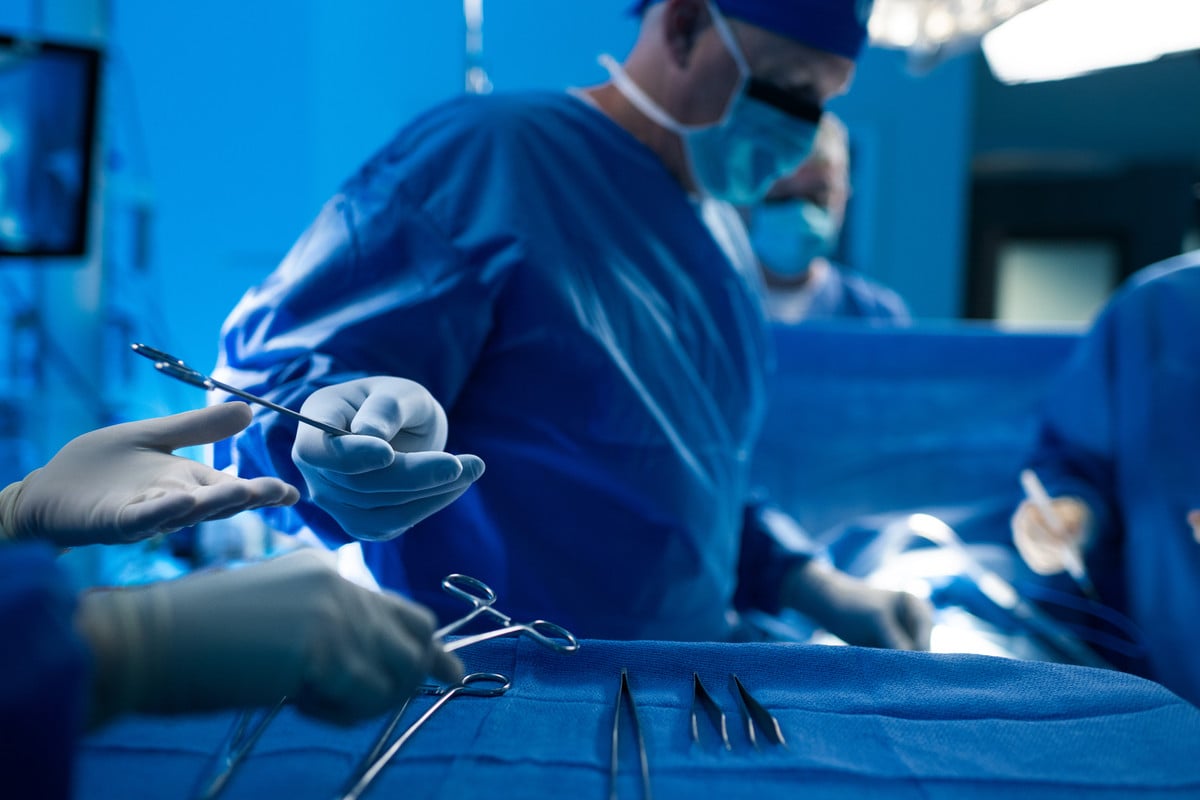
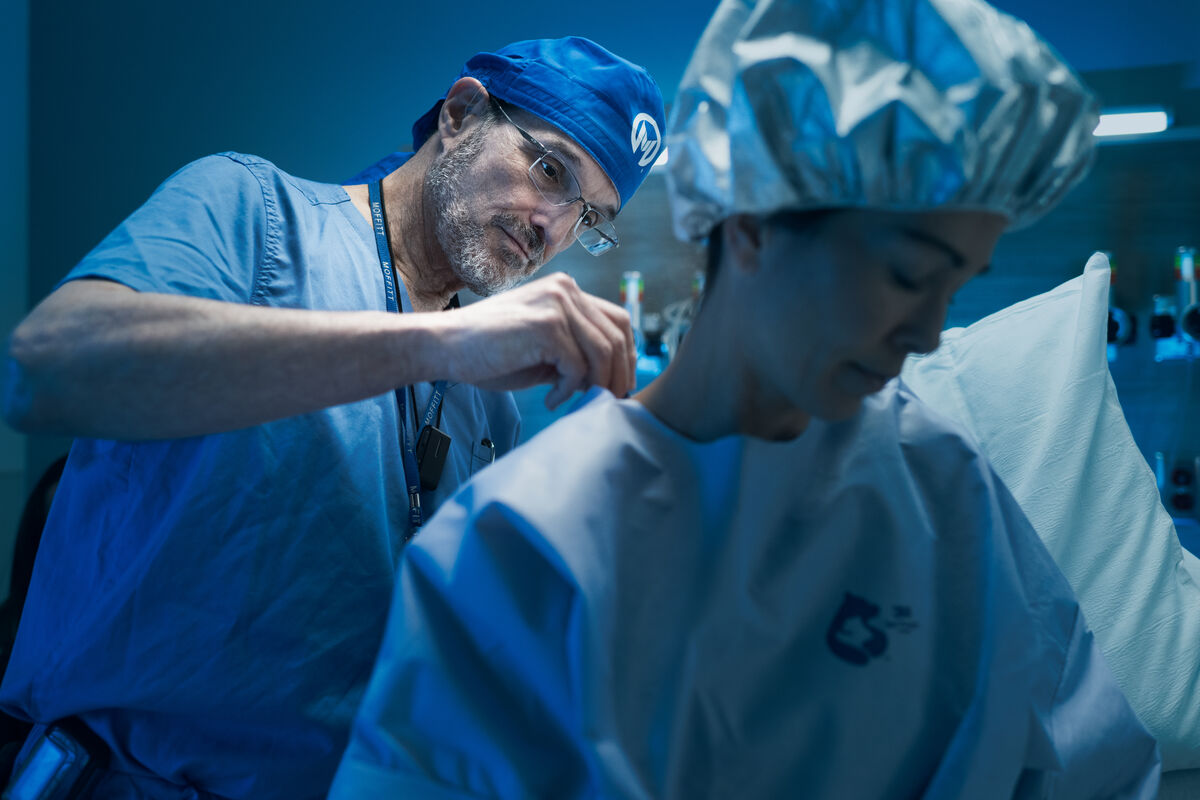
Experts in Skin Cancer Surgery
Schedule an AppointmentThe specialists in the Cutaneous Oncology Program at Moffitt Cancer Center provide comprehensive care for patients with all stages of basal cell carcinoma, from small, low-risk tumors to locally advanced or recurrent cancer. Complex cases are reviewed by a multispecialty tumor board that includes surgical oncologists, dermatologic surgeons, medical oncologists, radiation oncologists, dermatopathologists, radiologists, plastic and reconstructive surgeons and other specialists. To achieve the best possible functional and cosmetic outcome, each treatment plan is individualized based on the patient’s diagnosis, overall health, treatment goals and the location and characteristics of the tumor.
Quick facts: treating basal cell carcinoma
- Surgery is commonly used to treat BCC. Surgical removal is recommended for most basal cell carcinomas, with standard excision and Mohs micrographic surgery offering excellent long-term cure rates while preserving healthy tissue whenever possible.
- BCC treatment is individualized based on tumor risk. While surgery is the primary treatment for most patients, radiation therapy, topical treatments and systemic therapies may be appropriate depending on the tumor’s location, subtype, extent and other clinical factors.
- Targeted and immune-based therapies have expanded treatment options for advanced BCC. Most basal cell carcinomas do not require molecular testing to guide treatment. For locally advanced or metastatic BCC that cannot be adequately treated with surgery or radiation therapy, medications that target the Hedgehog signaling pathway or help the immune system attack the cancer may be considered.
- Most patients with BCC achieve an excellent outcome. Basal cell carcinoma is highly treatable and often curable when detected and treated early. For patients with more advanced cancer, newer systemic therapies may provide additional treatment options.
Surgery for basal cell carcinoma
As the cornerstone of treatment for most basal cell carcinomas, surgery can completely remove the cancer while preserving as much healthy surrounding tissue as possible. At Moffitt, surgical oncologists and dermatologic surgeons work closely with pathologists, medical oncologists, radiation oncologists and reconstructive surgeons to determine the most appropriate procedure for each patient.
Whenever feasible, Moffitt’s surgeons use tissue-sparing techniques that allow for complete cancer removal while preserving as much healthy skin as possible. Depending on the size and location of the tumor, the surgical site may be closed directly or repaired using specialized reconstructive techniques. If the tumor is large or complex, a plastic and reconstructive surgeon may participate in the procedure to help restore function and achieve the best possible cosmetic outcome.
When is surgery a treatment option for basal cell carcinoma?
Surgery is the preferred treatment for most basal cell carcinomas because it allows the physician to remove the tumor and, in many cases, confirm that the cancer has been completely excised. The goals of surgical treatment are to completely eliminate the cancer, reduce the risk of recurrence and achieve the best possible functional and cosmetic outcome.
Surgery may be recommended for:
- A newly diagnosed basal cell carcinoma
- A recurrent tumor
- A tumor with aggressive features
- A tumor located in a functionally or cosmetically sensitive area, such as the face, ears, eyelids, nose or lips
- A large tumor
- A tumor that has grown into deeper tissues
The specific surgical approach will depend on the tumor’s size, location, subtype, depth of invasion, previous treatment and other characteristics that can influence the risk of recurrence.
ACS Surgical Quality Partner for 30+ Years
Continuously Accredited by the American College of Surgeons Commission on Cancer since 1989 for our commitment to providing comprehensive, high-quality and multispecialty patient-centered care.
What are the different types of basal cell carcinoma surgery?
Several surgical techniques are available to treat basal cell carcinoma, including:
Excisional surgery
Standard surgical excision removes the visible tumor along with a margin of healthy skin to help ensure that no cancer cells are left behind. The removed tissue will then be examined by a pathologist to confirm whether the surgical margins are free of cancer.
Excisional surgery is recommended for many low-risk basal cell carcinomas and other tumors that can be completely removed with standard excision. The procedure can often be performed on an outpatient basis using local anesthesia.
Mohs micrographic surgery
Mohs micrographic surgery, offered in conjunction with the USF Department of Dermatology, is a highly specialized tissue-sparing procedure that removes the tumor one layer at a time. Each layer is immediately examined under a microscope, and the process is repeated until no cancer cells remain.
Because Mohs surgery allows the entire surgical margin to be examined while preserving as much healthy tissue as possible, it offers some of the highest cure rates for basal cell carcinoma. This approach can be particularly beneficial for tumors in areas where preserving healthy tissue is especially important, such as the face, ears, eyelids, nose or lips, as well as for recurrent tumors and those with aggressive features.
Curettage and electrodesiccation (C&E)
C&E is an office-based procedure used primarily to treat superficial or low-risk basal cell carcinomas. The physician will first remove the tumor using a specialized spoon-shaped instrument (curette), and then apply an electric current to destroy any remaining cancer cells and control bleeding. This process may be repeated several times during the same procedure to thoroughly treat the area.
Although C&E is not recommended for every basal cell carcinoma, it can be a suitable treatment option for a carefully selected, low-risk tumor in an area of the body where this technique can be performed safely and effectively.
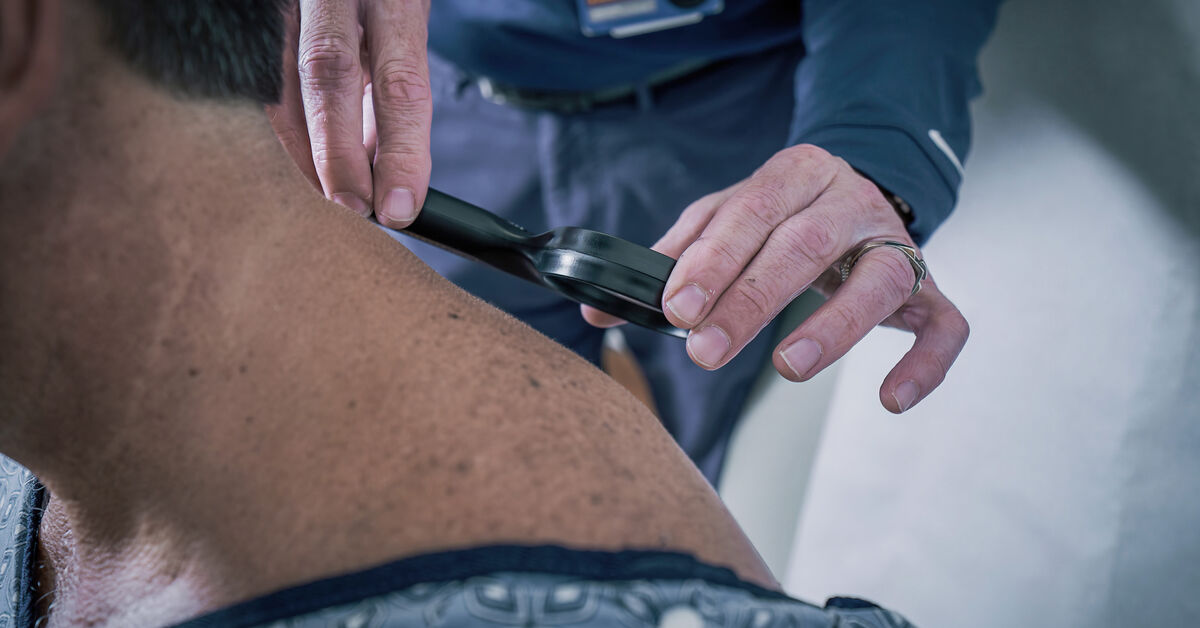
What are the risks and possible side effects of surgery for basal cell carcinoma?
The side effects of BCC surgery can vary depending on the size and location of the tumor and the type of procedure performed. Most patients recover well, and the healthcare team will provide detailed instructions for wound care, physical activity during recovery and other measures to support healing and reduce the risk of complications.
Possible side effects of surgery include:
- Pain or tenderness – Mild discomfort is common during the first several days after surgery and can usually be managed with over-the-counter or prescribed pain medication and temporary activity modifications.
- Swelling and bruising – Applying cold compresses, elevating the surgical site when possible and following postoperative instructions can help reduce swelling as healing progresses.
- Bleeding or infection – Following wound care instructions, keeping the surgical site clean and changing dressings as directed can help reduce the risk of complications. Persistent bleeding or signs of infection, such as increasing redness, warmth, drainage or fever, should be reported to the healthcare team.
- Scarring – Every surgical procedure leaves some degree of scarring, although scars often become less noticeable over time. Careful wound care, sun protection and recommended scar management techniques can help promote optimal healing and minimize the appearance of scars.
- Numbness or altered sensation – Surgery near small nerves can cause numbness, tingling or other changes in sensation. These symptoms often improve gradually as the area heals, although some sensory changes may be permanent after more extensive surgery.
- Delayed wound healing – A large or complex surgical site may take longer to heal, particularly when certain health conditions or other factors affect the body’s ability to repair tissue. Maintaining good nutrition, avoiding tobacco use and following wound care instructions can support the healing process.
What is the recovery process like after surgery for basal cell carcinoma?
Recovery after basal cell carcinoma surgery can vary depending on the type of procedure and the size and location of the tumor. In most cases, excisional surgery, Mohs micrographic surgery and curettage and electrodesiccation are performed on an outpatient basis, allowing the patient to return home the same day.
Many patients can resume light daily activities shortly after surgery, although strenuous exercise, heavy lifting and activities that place tension on the surgical site may need to be temporarily avoided. When stitches are used, they are typically removed during a follow-up visit, with the timing depending on the location and extent of the surgery.
Patients who undergo reconstructive surgery may have a longer recovery period and require additional follow-up visits to monitor healing. Depending on the location and extent of the procedure, the healthcare team may also provide individualized recommendations to help restore function and support recovery.
Following treatment, routine skin examinations will remain important as part of long-term follow-up care because individuals who have had basal cell carcinoma have an increased risk of developing additional skin cancers. The healthcare team will provide guidance on sun protection, skin self-examinations and ongoing surveillance to help identify new or recurrent skin cancers as early as possible.
 Florida's Largest NCI Cancer Center
Recognized as a leader in cancer excellence, Moffitt is the state's largest National Cancer Institute-designated Comprehensive Cancer Center by cancer patient volumes.
Radiation therapy for basal cell carcinoma
Radiation therapy uses carefully targeted, high-energy beams to damage the DNA of cancer cells, preventing the cells from continuing to grow and divide. Although surgery is the preferred treatment for most basal cell carcinomas, radiation therapy can provide excellent local cancer control for a patient who is not a good candidate for surgery or whose tumor is located in an area where surgery could significantly affect function or appearance.
At Moffitt, radiation oncologists collaborate with medical physicists, dosimetrists and radiation therapists to develop highly individualized treatment plans. Advanced imaging, sophisticated treatment-planning software and modern radiation delivery techniques allow the treatment team to precisely target the cancer while limiting the radiation dose to nearby healthy tissues.
How does radiation therapy treat basal cell carcinoma?
Radiation therapy works by damaging cancer cells in a way that prevents them from reproducing. Over time, the treated cells die and are gradually cleared by the body.
Radiation therapy may be recommended to:
- Provide an alternative for a patient who cannot undergo surgery or prefers a nonsurgical treatment approach
- Treat a tumor in a functionally or cosmetically sensitive area where surgery could significantly affect nearby tissues, function or appearance
- Reduce the risk of recurrence after surgery in a patient with high-risk features, particularly when additional surgery is not feasible
- Treat recurrent basal cell carcinoma after previous surgery
- Relieve symptoms caused by a locally advanced tumor, such as pain, bleeding or ulceration
Unlike surgery, radiation therapy does not remove the tumor immediately. Instead, the treated cancer gradually regresses in the weeks and months following treatment.
What radiation treatment techniques are available for basal cell carcinoma?
The type of radiation therapy used for BCC depends on the tumor’s size, depth and location as well as the patient’s overall health and previous treatments. Options may include:
External beam radiation therapy (EBRT)
EBRT is commonly used to treat basal cell carcinoma. During treatment, a machine directs carefully targeted radiation beams at the tumor from outside the body.
Before treatment begins, the radiation oncology team will carefully map the treatment area and develop an individualized plan to deliver an appropriate radiation dose to the cancer while protecting surrounding healthy tissue. Radiation delivery itself typically takes only a few minutes, although additional time will be needed for positioning and other preparations before each treatment session.
EBRT can be delivered using specialized techniques that precisely shape and target the radiation dose, helping to protect nearby healthy tissues and sensitive structures such as the eyes, nose and ears.
Electron beam radiation therapy
Electron beam radiation therapy uses high-energy electrons rather than X-rays to treat cancer at or near the surface of the skin. Because electrons penetrate only a limited distance into the body, this technique can deliver an effective dose of radiation to a basal cell carcinoma while limiting exposure to deeper healthy tissues.
Electron beam therapy may be considered for a superficial or moderately deep tumor, particularly when the cancer covers a relatively broad area or is located in an area where surgery could affect function or appearance. The radiation oncology team will carefully adjust the energy and treatment field based on the size, depth and location of the tumor.
Superficial radiation therapy and orthovoltage
Superficial radiation therapy and orthovoltage therapy use low-energy X-rays that penetrate a relatively short distance beneath the skin. This allows the radiation to be concentrated on a basal cell carcinoma while reducing the dose delivered to deeper tissues.
These techniques may be used for select superficial tumors, particularly those in areas where surgery could be difficult or have a significant cosmetic or functional impact. The appropriate radiation energy and treatment depth will be carefully selected based on the thickness, location and other characteristics of the tumor.
What are the possible side effects of radiation therapy for basal cell carcinoma?
Most side effects of radiation therapy are limited to the treated area and develop gradually during treatment or shortly afterward. The healthcare team will closely monitor the patient and provide supportive care to help manage discomfort and promote healing.
Potential side effects include:
- Skin redness and irritation (short term) – The treated skin may become red, dry, itchy or tender, similar to a sunburn. Gently cleansing the area, using moisturizers recommended by the healthcare team and protecting the skin from sun exposure can help manage irritation while the skin heals.
- Fatigue (short term) – Some patients may experience mild to moderate tiredness that gradually develops during treatment. Prioritizing rest, maintaining light physical activity as tolerated and staying well hydrated may help manage fatigue.
- Hair loss in the treatment area – Radiation therapy directed at hair-bearing skin may cause localized hair loss. Hair often regrows after treatment, although higher radiation doses can sometimes result in permanent hair loss.
- Skin color or texture changes (long term) – Over time, the treated skin may gradually become lighter, darker, thinner or firmer than the surrounding skin. Protecting the area from UV exposure and following the healthcare team’s skin care recommendations can help protect the treated skin over the long term.
- Visible blood vessels (long term) – Small, widened blood vessels (telangiectasias) may become visible in the treated area months or years after radiation therapy. These changes are generally harmless, although cosmetic treatments may be considered if their appearance is bothersome.
- Delayed wound healing (less common) – Radiation therapy can sometimes affect the skin’s ability to heal, particularly after higher doses are administered or if the targeted tissue was previously damaged. Persistent sores, skin breakdown or other changes that do not heal as expected should be reported to the healthcare team.
What is the radiation therapy schedule for basal cell carcinoma, and what is the recovery process like?
The radiation therapy schedule for basal cell carcinoma can vary depending on the size, depth and location of the tumor, the radiation technique used and the patient’s individual needs. Treatment may be delivered five days per week for several weeks, although a shorter schedule with fewer treatment sessions may be appropriate for some patients.
Most patients can continue many of their usual daily activities throughout treatment. Skin irritation and other short-term side effects typically develop gradually as radiation therapy progresses and may become more noticeable toward the end of the treatment course. Skin reactions can temporarily worsen after the final treatment before gradually improving over the following several weeks.
The effects of radiation therapy can continue after the final treatment, so the tumor may shrink further or regress over the following weeks or months. During follow-up visits, the healthcare team will monitor healing, evaluate the treatment response and check for signs of recurrence.
-

3.6 million cases
of basal cell carcinoma are diagnosed each year in the U.S.
Topical and other local therapies for basal cell carcinoma
Topical and other local therapies may be used to treat basal cell carcinoma without surgically removing the tumor. Some medications are applied directly to the affected skin, while other treatments can destroy cancer cells within a specific treatment area. Although these approaches are not suitable for every basal cell carcinoma, they may be effective for a carefully selected superficial, low-risk tumor.
The specialists at Moffitt will evaluate the tumor’s size, depth, location, subtype and other risk features to determine whether a local therapy may be a suitable alternative to surgery.
When are local therapies used for basal cell carcinoma?
Local therapy is most often used for superficial, low-risk basal cell carcinomas that have not grown deeply into the skin. This approach may also be considered for a patient who cannot undergo surgery or prefers to avoid a surgical procedure when a suitable nonsurgical option is available.
The goals of local therapy for basal cell carcinoma are to effectively treat the cancer while limiting damage to surrounding healthy skin and achieving a favorable cosmetic outcome. Unlike surgical excision or Mohs surgery, many local therapies do not allow the healthcare team to examine the edges of the treated tissue under a microscope to confirm that no cancer cells remain. For this reason, careful patient selection and ongoing skin examinations are important.
Which local therapies are used to treat basal cell carcinoma?
Several topical and local treatments may be considered for carefully selected, low-risk basal cell carcinomas. Options may include:
- Imiquimod cream – This prescription medication stimulates the body’s immune response against cancer cells in the treated area and may be used for carefully selected superficial basal cell carcinomas. It is typically applied at home according to a prescribed schedule over several weeks.
- Topical 5-fluorouracil (5-FU) – This topical chemotherapy medication interferes with the ability of cancer cells to grow and divide. Like imiquimod, 5-FU is generally reserved for superficial basal cell carcinomas and is applied to the affected skin over several weeks.
- Cryosurgery – Liquid nitrogen is applied to the tumor to freeze and destroy cancer cells. This approach may be considered for certain small, low-risk basal cell carcinomas when more commonly used treatments are not suitable.
- Photodynamic therapy (PDT) – A light-sensitive medication is applied to the skin and allowed to absorb into the treatment area. The area is then exposed to a specialized light source, which activates the medication and destroys targeted cells. PDT may be considered for select superficial basal cell carcinomas when other treatment options are not feasible.
What are the risks and possible side effects of local therapies for basal cell carcinoma?
Most side effects of local therapy occur in the treated area and improve after treatment is completed. The healthcare team will provide detailed instructions to help the patient manage temporary skin reactions and care for the treated area. Potential side effects include:
- Redness, itching and burning (common with imiquimod and 5-fluorouracil) – Inflammation of the treated skin is a common response to these topical medications and may become more noticeable as treatment progresses. Using gentle skin care, applying moisturizers approved by the healthcare team and following the prescribed treatment schedule can help manage discomfort.
- Crusting, scaling and skin irritation (common with imiquimod and 5-fluorouracil) – The treated skin may become crusted, scaly or develop superficial sores before healing. The patient should avoid picking or scratching the area and follow the wound care instructions provided by the healthcare team.
- Swelling and tenderness (possible with topical therapies and photodynamic therapy) – The treated area may become swollen, tender or uncomfortable during or shortly after treatment. Applying cool compresses and taking over-the-counter pain medication as recommended by the healthcare team may help relieve symptoms.
- Blistering or pigment changes (associated with cryosurgery) – The treated area may blister before healing and may later appear lighter or darker than the surrounding skin. Following wound care instructions and protecting the area from irritation and sun exposure can support healing.
- Light sensitivity and treatment-site discomfort (associated with photodynamic therapy) – The treated area may become sensitive to light and uncomfortable after PDT. The patient should follow the healthcare team’s instructions regarding sun exposure, indoor lighting and protective clothing during the recommended period after treatment.
- Incomplete treatment response or recurrence – Local therapies do not provide microscopic confirmation that all cancer cells have been eliminated. Regular follow-up skin examinations will be important to evaluate the treatment response and identify recurrent or new skin cancers as early as possible.
Schedule an appointment to discuss your eligibility for treatment. Call us at 1-888-663-3488 or request a consultation online.
Targeted therapy and immunotherapy for basal cell carcinoma
Although most BCCs can be successfully treated with surgery or other local therapies, some tumors become locally advanced, recur repeatedly or spread to distant parts of the body. In these cases, systemic treatments such as targeted therapy and immunotherapy may provide additional options when surgery and radiation therapy are not appropriate or have been unsuccessful.
Before recommending targeted therapy or immunotherapy, Moffitt’s multispecialty team will carefully evaluate the tumor’s pathology, extent and clinical behavior as well as the patient’s overall health, previous treatments and treatment goals. Because most basal cell carcinomas involve abnormal activation of the Hedgehog signaling pathway, medications that inhibit this pathway can be effective for certain patients with advanced BCC. Immunotherapy may provide another option in select situations, particularly when targeted therapy is not appropriate or is no longer effective.
How does targeted therapy work for basal cell carcinoma?
Targeted therapy interferes with specific molecular pathways that cancer cells use to grow and survive. Most basal cell carcinomas involve abnormal activation of the Hedgehog signaling pathway, which can cause cells to grow uncontrollably.
Hedgehog pathway inhibitors such as vismodegib and sonidegib can block signaling through this pathway, helping to slow or stop cancer growth. These medications may be considered for a patient with locally advanced or metastatic BCC that cannot be adequately treated with surgery or radiation therapy.
How does immunotherapy work for basal cell carcinoma?
Immunotherapy can help the body’s immune system attack cancer cells more effectively. Some cancer cells take advantage of immune checkpoint pathways that normally help regulate the immune response, effectively preventing immune cells from mounting a strong attack against the cancer. Immune checkpoint inhibitors are immunotherapy drugs that can block these inhibitory signals, helping restore the immune system’s ability to target the cancer cells.
For advanced basal cell carcinoma, the PD-1 inhibitor cemiplimab may be considered if the cancer has progressed during or after treatment with a Hedgehog pathway inhibitor or if a Hedgehog inhibitor is not appropriate. Because immunotherapy works through the immune system rather than directly attacking the cancer cells, its side effects and response patterns differ from those associated with many other cancer treatments.
Is biomarker testing needed before targeted therapy for basal cell carcinoma?
Unlike many other cancers, basal cell carcinoma does not generally require biomarker testing to determine whether targeted therapy may be appropriate. Most BCCs involve abnormal activation of the Hedgehog signaling pathway, which plays a central role in cancer development. Hedgehog pathway inhibitors such as vismodegib and sonidegib are designed to interfere with this pathway and may be considered for certain patients with advanced BCC based primarily on clinical factors rather than the presence of a specific gene mutation.
Although molecular testing is not routinely required to guide treatment, specialized testing may be performed in select situations. For example, the healthcare team may analyze tumor tissue to better understand unusual cancer characteristics, investigate possible treatment resistance or determine whether the patient may be eligible for a clinical trial. Genetic and molecular findings that can be identified in BCC include alterations involving PTCH1, SMO and other components of the Hedgehog signaling pathway.
Similarly, PD-L1 testing is not routinely required before immunotherapy with cemiplimab is considered for advanced BCC. The healthcare team will evaluate the extent of the cancer and the patient’s previous treatments, overall health and other clinical factors when determining whether targeted therapy or immunotherapy may be appropriate.
What are the possible side effects of targeted therapy for basal cell carcinoma?
Targeted therapies for basal cell carcinoma interfere with the Hedgehog signaling pathway, which also plays a role in certain normal processes within the body. As a result, Hedgehog pathway inhibitors can cause side effects that may affect the patient’s comfort, nutrition and ability to continue treatment. The healthcare team will closely monitor the patient and recommend supportive measures or treatment adjustments when needed.
Potential side effects of targeted therapy for BCC include:
- Muscle spasms – Painful or uncomfortable muscle contractions are common with Hedgehog pathway inhibitors and can affect the legs, arms or other areas of the body. Stretching, gentle physical activity and other supportive measures recommended by the healthcare team may help manage symptoms.
- Changes in taste – Food may taste different or become less appealing during treatment. Working with the healthcare team to adjust food choices and maintain adequate nutrition can help the patient manage changes in taste and appetite.
- Hair loss – Hair thinning or loss can occur during treatment and may affect the scalp or other areas of the body. Hair growth may gradually recover after targeted therapy is discontinued, although the timing can vary.
- Weight loss and decreased appetite – Changes in taste, reduced appetite and other treatment-related effects can contribute to unintended weight loss. The healthcare team may recommend nutritional strategies to help the patient maintain adequate calorie and nutrient intake.
- Fatigue – Some patients experience persistent tiredness or reduced energy during targeted therapy. Balancing rest with physical activity as tolerated and discussing significant or worsening fatigue with the healthcare team can help patients manage this side effect.
- Digestive problems – Nausea, diarrhea, constipation or other gastrointestinal symptoms can occur with Hedgehog pathway inhibitors. Medications, dietary adjustments and adequate hydration may be recommended based on the specific symptoms.
Because Hedgehog pathway inhibitors can cause serious harm to a developing fetus, a patient who could become pregnant or cause a pregnancy will receive specific instructions about pregnancy prevention during treatment and for a period of time after the medication is discontinued. The patient should follow the healthcare team’s guidance regarding contraception, blood donation and other precautions associated with the specific medication they receive.
What are the possible side effects of immunotherapy for basal cell carcinoma?
Unlike chemotherapy, which primarily affects rapidly dividing cells, immunotherapy helps the immune system mount a stronger response against cancer. As a result, the immune system can sometimes attack healthy tissues and cause inflammation in different parts of the body. Many immune-related side effects can be effectively managed when identified and treated early, making prompt communication with the healthcare team especially important during treatment.
Potential side effects of immunotherapy for BCC include:
- Skin inflammation – Skin rash, itching and dryness are among the most common immune-related side effects. Using gentle skin care products, moisturizing regularly and notifying the healthcare team about worsening symptoms can help manage these reactions.
- Inflammation of the intestines (colitis) – Persistent diarrhea, abdominal pain or blood in the stool should be reported promptly. Anti-inflammatory medications may be needed to control the immune response and reduce the risk of complications.
- Lung inflammation (pneumonitis) – A new or worsening cough, shortness of breath or chest discomfort should be evaluated promptly. Treatment may include medications to reduce inflammation and, in some cases, temporarily or permanently stopping immunotherapy.
- Hormone-producing gland problems – Immunotherapy can affect the thyroid, pituitary or adrenal glands, resulting in changes in hormone production. Symptoms can include fatigue, weight changes, headaches, dizziness or other problems. Routine blood tests can help identify hormonal changes, and replacement hormones may be prescribed when needed.
- Liver inflammation (hepatitis) – During immunotherapy, the healthcare team will regularly monitor liver function with blood tests because liver inflammation may not cause noticeable symptoms at first. The patient should report yellowing of the skin or eyes (jaundice), dark urine, persistent nausea or other new symptoms.
- Infusion-related reactions – Some patients experience fever, chills, flushing, shortness of breath or other symptoms during or shortly after treatment. The healthcare team will monitor the patient during the infusion and provide medications or other supportive care if a reaction occurs.
Because immune-related side effects can develop during treatment as well as weeks to months after immunotherapy has ended, continued follow-up will be an important part of care. Promptly reporting new or unusual symptoms will allow the healthcare team to evaluate potential complications and begin treatment as early as possible.
Basal cell carcinoma clinical trials at Moffitt Cancer Center
Clinical trials play an essential role in advancing basal cell carcinoma treatment. Through these carefully designed research studies, physicians can evaluate promising new therapies, innovative treatment combinations and emerging technologies that may improve outcomes or reduce treatment-related side effects.
As a National Cancer Institute (NCI)-designated Comprehensive Cancer Center, Moffitt conducts clinical research aimed at improving treatment for basal cell carcinoma and other skin cancers. Eligible patients may have opportunities to participate in studies evaluating investigational therapies and other emerging treatment approaches.
Participation in a clinical trial is always voluntary, and every study follows rigorous scientific and ethical standards. A patient who chooses to participate will continue to receive comprehensive care from their multispecialty treatment team while being closely monitored throughout the trial.
Why should a patient consider a clinical trial for basal cell carcinoma?
For some patients, participation in a clinical trial may provide access to investigational therapies before those options become widely available in other treatment settings. Studies may evaluate new Hedgehog pathway inhibitors, immunotherapies, targeted therapies or treatment combinations aimed at improving outcomes for patients with advanced basal cell carcinoma.
Clinical trials also contribute to future standards of care by helping researchers evaluate the effectiveness of new approaches compared with existing treatments. The specialists in Moffitt’s Cutaneous Oncology Program will consider relevant clinical trial opportunities alongside established treatment options and explain the potential benefits, risks and eligibility requirements to help the patient make an informed decision about participation.
Frequently asked questions (FAQs) about basal cell carcinoma treatment
Understanding BCC treatment can help the patient feel more prepared when making decisions about their care. Below are answers to some commonly asked questions about treatment options, recovery and what to expect throughout the treatment process:
- What should I expect with treatment for basal cell carcinoma?
- Will I need chemotherapy for basal cell carcinoma?
- How is basal cell carcinoma removed?
Why choose Moffitt Cancer Center for basal cell carcinoma treatment
For a patient with recurrent, high-risk or advanced basal cell carcinoma, treatment planning may require expertise from several medical specialties. At Moffitt, patients can benefit from a collaborative, multispecialty approach that brings together surgical oncologists, dermatologic surgeons, medical oncologists, radiation oncologists, dermatopathologists, reconstructive surgeons and other skin cancer experts.
Moffitt combines advanced diagnostic capabilities, specialized surgical and radiation techniques, systemic therapies and access to innovative clinical trials to provide comprehensive, individualized care. Our specialists collaborate to determine the most appropriate treatment approach based on the characteristics of the cancer, the patient's overall health and their individual needs and goals.
If you would like to learn more about basal cell carcinoma treatment, you can request an appointment with a specialist in the Cutaneous Oncology Program at Moffitt by calling 1-888-663-3488 or submitting a new patient registration form online. We do not require referrals.
Helpful Links:
Nationally Ranked. Florida's Best.
Choose Moffitt FirstTreatment