
Radiation Therapy for Cholangiocarcinoma
Cholangiocarcinoma is a rare cancer that forms in the bile ducts. These thin tubes carry bile, a digestive fluid, from the liver and gallbladder to the small intestine to help break down fats and support nutrient absorption. Bile duct cancer develops when cells lining the bile ducts acquire DNA changes that cause them to grow and divide uncontrollably. In some cases, these abnormal changes are linked to long-term inflammation or scarring in the bile ducts.
Although the warning signs of cholangiocarcinoma can be vague at first, some patients develop noticeable symptoms related to blocked bile flow, including jaundice (yellowing of the skin or whites of the eyes), dark urine, clay-colored or pale stools and intense itching. Other possible signs include upper abdominal pain, fatigue, fever, nausea or vomiting and unexplained weight loss.
Bile duct cancer is relatively rare in the United States, with approximately 8,000 new cases diagnosed each year, most in adults aged 70 and older. The condition is more commonly seen in parts of Southeast Asia, largely due to higher rates of certain liver fluke infections that are known to increase the risk.
Is cholangiocarcinoma treatable or curable?
Bile duct cancer is a complex condition that can be challenging to treat. In some cases, particularly when the tumor is found early and can be surgically removed, long-term cancer control or cure may be possible. However, because the warning signs are often subtle, many patients are diagnosed at a late stage, when therapy generally focuses on relieving symptoms and improving quality of life. For some patients, radiation therapy is an important treatment option, which may be used alone or in combination with surgery, chemotherapy or other therapies.

#1 Cancer Hospital in Tampa
Schedule an AppointmentWhat is radiation therapy?
Radiation therapy is a well-established cancer treatment that has been safely and effectively used for many years to treat a wide range of cancers, including cholangiocarcinoma. This evidence-based treatment uses high-energy beams, such as X-rays or protons, to interfere with the genetic coding of cancer cells. The resulting DNA damage can prevent the cells from growing and dividing, potentially leading to tumor shrinkage or control over time.
Radiation therapy is carefully planned to precisely target cancer cells while minimizing exposure to the surrounding healthy tissues.
Why is radiation therapy used for cholangiocarcinoma?
Radiation therapy for bile duct cancer may be considered for several reasons, including:
- To destroy microscopic cancer cells that may remain after surgery
- To shrink a tumor before surgery to make it easier to remove
- To treat a tumor that cannot be surgically removed
- To relieve symptoms, such as pain or bile duct obstruction
- To help control cancer that has returned after initial treatment
Because cholangiocarcinoma can arise in different parts of the bile ducts, the radiation therapy plan must be highly precise and tailored to the patient’s anatomy.
Types of radiation therapy for cholangiocarcinoma
Several types of radiation therapy can be used to treat bile duct cancer, depending on the location and extent of the tumor. Common radiation delivery techniques include:
External beam radiation therapy (EBRT)
EBRT is the most frequently used form of radiation therapy for cholangiocarcinoma. The high-energy beams are generated by a machine located outside the patient’s body (linear accelerator) and aimed directly toward the tumor.
Other advanced forms of external radiotherapy include:
- Intensity-modulated radiation therapy (IMRT) – Shapes the radiation beams to accurately match the contours of the tumor
- Image-guided radiation therapy – Uses imaging scans captured before or during each treatment to precisely locate the tumor and guide the radiation beams
- Stereotactic radiosurgery (SRS) – Delivers highly concentrated doses of radiation to a well-defined tumor over one to five treatment sessions
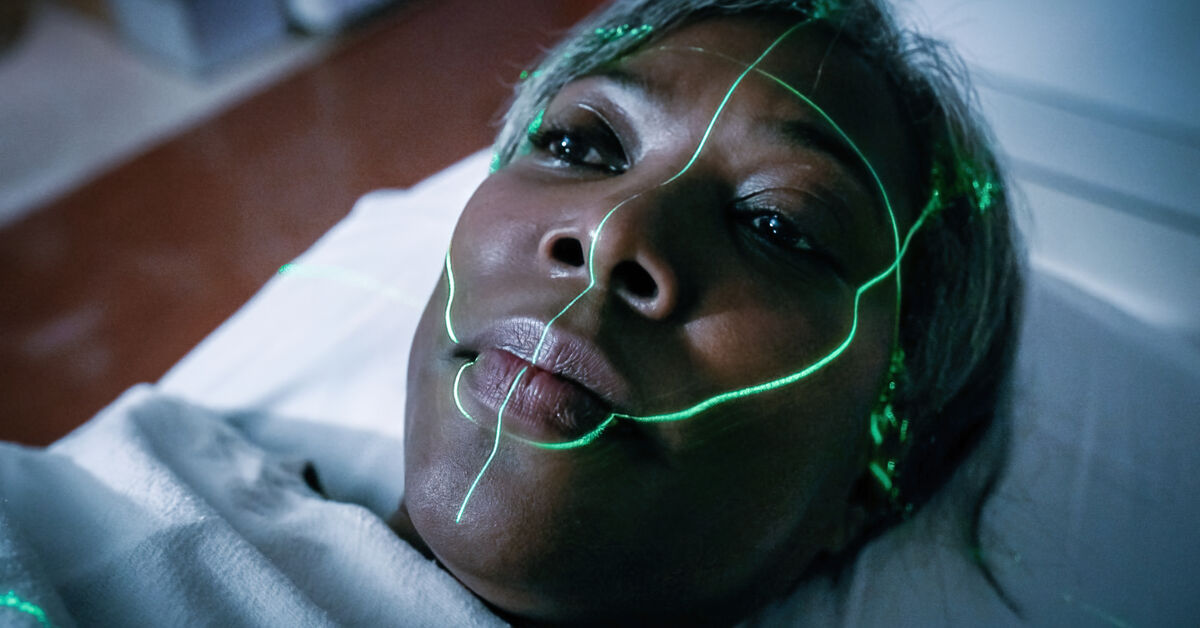
Internal radiation therapy (brachytherapy)
Brachytherapy involves placing a small source of radioactive material directly inside or near the tumor. For some patients with bile duct cancer, this treatment may be delivered through a catheter placed within the bile duct to focus the radiation on the tumor while limiting exposure to the surrounding organs.
What to expect with radiation therapy for cholangiocarcinoma
EBRT for bile duct cancer is typically delivered over several weeks, although the schedule can vary depending on the treatment approach and other factors.
Before radiation therapy for cholangiocarcinoma
Before treatment begins, the patient will undergo a detailed planning process (simulation) that may include imaging tests, such as computed tomography (CT) or magnetic resonance imaging (MRI) scans. During this phase:
- The healthcare team will map the exact location of the tumor
- Immobilization devices may be created to help the patient stay properly positioned during each treatment session
- The treatment plan will be carefully designed to maximize safety and effectiveness
During radiation therapy for cholangiocarcinoma
Radiation treatment is usually given on an outpatient basis. Each session typically lasts only a few minutes, although setup may require additional time. During treatment, the patient will lie still on a special table while the linear accelerator rotates around their body. Radiation therapy is painless and cannot be felt, and most patients are able to continue their normal daily activities with some minor adjustments. For example, some patients find it helpful to build in extra rest time to manage fatigue, plan lighter schedules on treatment days, arrange transportation if nausea or weakness occurs and make temporary dietary changes if their appetite or digestion is affected.
 Florida's First NCI-designated Comprehensive Cancer Center
Recognized for its scientific excellence, Moffitt is the state's longest-established National Cancer Institute-designated Comprehensive Cancer Center.
Possible side effects of radiation therapy for cholangiocarcinoma
The side effects of radiation therapy can vary based on the radiation dose, the part of the body treated and the patient’s overall health. Throughout treatment, the healthcare team will closely monitor the patient and provide supportive care to help manage any symptoms.
Common side effects of radiation therapy for cholangiocarcinoma
During radiation therapy, many patients experience:
- Fatigue
- Nausea
- Skin irritation in the treatment area
- Decreased appetite
- Mild abdominal discomfort
These side effects are usually temporary and improve after treatment ends.
Possible late-onset or long-term side effects of radiation therapy for cholangiocarcinoma
In some cases, radiation therapy may cause side effects that appear later or are long-lasting, such as:
- Changes in bowel function
- Liver or bile duct irritation
- Scar tissue formation in the treated area
Before recommending radiation therapy for bile duct cancer, the healthcare team will carefully weigh the potential benefits and risks and take steps to reduce the likelihood of long-term complications.
Managing daily life during radiation therapy for cholangiocarcinoma
Many patients can maintain much of their normal routine during radiation therapy for bile duct cancer. Helpful strategies include:
- Prioritizing rest and managing fatigue
- Eating small, nutritious meals
- Staying well-hydrated
- Communicating any side effects promptly to the healthcare team
Supportive services such as nutritional counseling, symptom management and patient navigation are often available to patients undergoing radiation therapy.
Follow-up care and monitoring after radiation therapy for cholangiocarcinoma
After completing radiation therapy for bile duct cancer, the patient will have regular visits with the healthcare team to monitor the response to treatment and manage any side effects. Follow-up care may include imaging scans, blood tests and coordination with other specialists to address ongoing needs or recommend additional therapies if appropriate.
Benefit from world-class care at Moffitt Cancer Center
As a National Cancer Institute (NCI)-designated Comprehensive Cancer Center, Moffitt is a respected research leader, and we excel in the treatment of rare and complex cancers, including cholangiocarcinoma. Our patients benefit from:
- A dedicated multispecialty team of radiation oncologists, medical oncologists, surgeons and hepatobiliary specialists
- Advanced radiation delivery techniques designed to protect healthy tissues
- Expertise in treating rare bile duct cancers gained through high-volume experience
- Access to clinical trials developed to evaluate the effectiveness of new and innovative therapies compared to the current standard of care
- Comprehensive supportive care services focused on the whole patient
If you would like to learn more about radiation therapy for cholangiocarcinoma, you can request an appointment with a specialist at Moffitt by calling 1-888-663-3488 or submitting a new patient registration form online. We do not require referrals.
Treatment