
Robotic Surgery for Colorectal Cancer
Colorectal cancer is the third most common cancer in the United States, with more than 150,000 new cases diagnosed each year. The tumor originates in the colon or rectum, which together make up the final section of the digestive tract.
 In many cases, colorectal cancer begins as a benign growth (precancerous polyp) that slowly progresses into an invasive tumor over time. However, colorectal polyps are common and most do not become cancerous. What’s more, precancerous polyps and early-stage colorectal cancer can often be detected in a routine colonoscopy before noticeable symptoms develop, which underscores the importance of screening tests.
Due to significant advances in its early detection and treatment, colorectal cancer is considered to be highly treatable and can often be cured. Treatment options may include surgery, radiation therapy, chemotherapy and immunotherapy.
Why is robotic surgery for colorectal cancer performed?
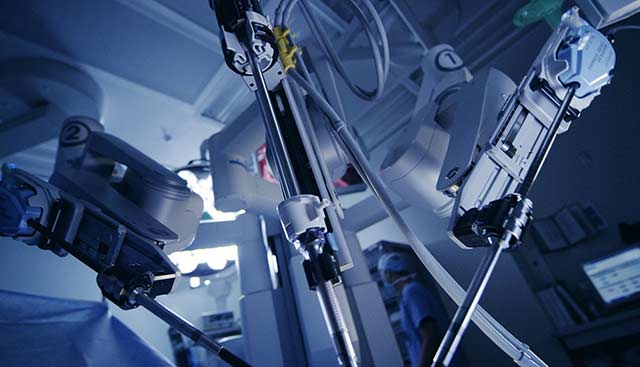
For some patients, robotic-assisted surgery is a minimally invasive treatment option for colorectal cancer. Using advanced robotic technology, such as the da Vinci® Surgical System, a surgeon can operate with heightened visualization, flexibility, precision and control.
Who is a good candidate for robotic surgery for colorectal cancer?
A good candidate for robotic-assisted colorectal cancer surgery has an early- to mid-stage tumor in the colon or rectum that has not extensively spread to other organs. The patient should also be in good overall health. The decision on surgical candidacy is typically made based on a thorough evaluation by a surgical oncologist, who will consider the size and location of the tumor and the patient’s health profile and preferences.
How to prepare for robotic surgery for colorectal cancer
To prepare for robotic-assisted colorectal cancer surgery, the patient will undergo a series of preoperative evaluations, such as imaging tests, blood work and possibly a colonoscopy, which will allow the surgeon to fully assess the extent of the tumor and the patient’s health. During a meeting with the surgical team, the patient will learn about the preoperative test results as well as the procedure, anesthesia and postoperative care.
In the days leading up to the surgery, the patient should follow the recommended dietary restrictions, which may include consuming a clear liquid diet, and prepare their bowel as instructed. They should also adjust any medications, particularly blood thinners, as advised by the surgical team. Additionally, the patient should arrange for assistance at home during the initial days of recovery and prepare any necessary items for their hospital stay, which will help to ensure a smooth surgical experience.
Rated High Performing in Colon Cancer Surgery
Schedule an AppointmentWhat happens during robotic surgery for colorectal cancer?
When performing robotic-assisted colorectal cancer surgery, the surgeon will precisely maneuver and control wristed instruments that can bend and rotate far beyond the abilities of the human hand. Aided by a three-dimensional (3D) visualization system, the surgeon will remove the cancerous tissues through small incisions in the abdomen.
The types of colorectal cancer surgery that can be performed with robotic assistance include:
- Low anterior resection
- Abdominoperineal resection
- Partial colectomy
- Full colectomy
Compared to traditional open surgery, robotic-assisted colorectal cancer surgery involves smaller incisions, which can reduce the risk of bleeding, lessen postoperative discomfort, minimize scarring and lead to a quicker recovery. Several studies found that patients who had a robotic-assisted colectomy regained their bowel function more quickly than those who had traditional colorectal surgery. Likewise, patients who had a robotic-assisted rectal resection had less healthy tissue removed during surgery and began a soft diet sooner.
What are the risks and possible complications of robotic surgery for colorectal cancer?
While generally safe and effective, robotic-assisted colorectal cancer surgery carries some risks and potential complications, much like any surgery. These can include infection at the incision sites, excessive bleeding and reaction to anesthesia. With the precision of robotic technology and thorough postoperative care, these risks can be minimized, and most patients recover well, benefiting from the minimally invasive nature of the procedure.
What to expect during recovery from robotic surgery for colorectal cancer
After robotic-assisted colorectal cancer surgery, the patient can expect a short hospital stay, where they will receive pain management and support as they gradually resume eating and drinking. Light physical activity will be encouraged to promote healing and help prevent complications. Some patients experience mild discomfort and temporary changes in bowel habits, such as constipation or diarrhea, which should gradually resolve. During regular follow-up appointments, the surgical team will monitor the patient’s recovery, manage any symptoms and plan additional treatments if needed. Overall, robotic-assisted colorectal cancer surgery usually results in a quick and smooth recovery.
How effective is robotic surgery for colorectal cancer?
Robotic-assisted colorectal cancer surgery is generally effective, particularly for early- to mid-stage tumors. It offers the potential for precise tumor removal coupled with the benefits of minimally invasive surgical techniques. The robotic system can enhance the surgeon’s ability to preserve healthy tissues, reduce the risk of postoperative complications and improve the patient’s outcome and quality of life.
While long-term outcomes can vary based on several factors, including the stage of the tumor and the patient’s overall health, robotic-assisted colorectal cancer surgery has shown comparable or even superior results to traditional open or laparoscopic surgery in many cases.
ACS Surgical Quality Partner for 30+ Years
Continuously Accredited by the American College of Surgeons Commission on Cancer since 1989 for our commitment to providing comprehensive, high-quality and multispecialty patient-centered care.
Benefit from world-class care at Moffitt Cancer Center
Moffitt is a high-volume cancer center, and the surgeons in our renowned Gastrointestinal Oncology Program have extensive experience in performing delicate and complex gastrointestinal procedures, including robotic-assisted surgery for colorectal cancer using the da Vinci® Surgical System.
If you would like to learn more, you can request an appointment with a specialist at Moffitt by calling 1-888-663-3488 or submitting a new patient registration form online. We do not require referrals.