
Cutaneous T-Cell Lymphoma Signs and Symptoms
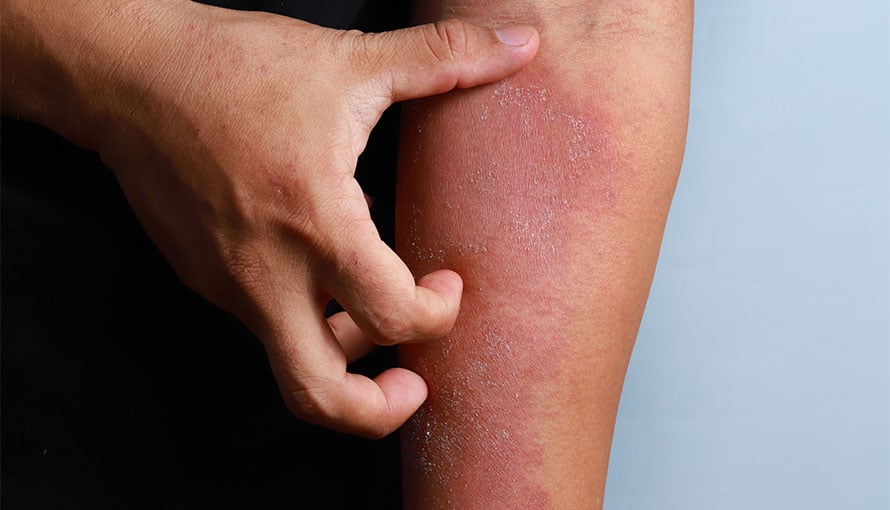
Cutaneous T-cell lymphoma is a rare type of non-Hodgkin lymphoma that originates in T-cells—a subset of infection-fighting white blood cells—and primarily affects the skin. The cancer occurs when T-cells undergo harmful changes that cause them to grow rapidly. The abnormal cells then accumulate in the skin, leading to the formation of lesions that can resemble eczema, psoriasis and other benign skin conditions.
While the exact cause of cutaneous lymphoma is unknown, factors such as genetics, a weakened immune system and exposure to certain harmful chemicals or viruses may play a role in its development. The condition is uncommon, accounting for only a small percentage of lymphoma cases, and is most often diagnosed in adults 50 and older.
The symptoms of the two main subtypes of cutaneous lymphoma—mycosis fungoides and Sezary syndrome—largely impact the skin, although the specific signs of each can differ slightly.
What are the early warning signs of cutaneous T-cell lymphoma?
The first symptom of cutaneous lymphoma may be a red, scaly skin patch or plaque. Usually dry and itchy, these skin lesions can appear anywhere on the body, although they frequently form in areas not typically exposed to sunlight, such as the torso and upper thighs.
What are the symptoms of cutaneous T-cell lymphoma?
As cutaneous lymphoma progresses, it may begin to produce other symptoms that can be seen or felt.
What does cutaneous T-cell lymphoma look like?
Visible symptoms of mycosis fungoides can include:
- Thick, raised skin plaques
- Red or discolored skin patches that may be flat and scaly
- Noticeable nodules or tumors under the skin
- Skin ulcers, sometimes with open sores
Visible symptoms of Sezary syndrome can include:
- Swollen lymph nodes
- Thick, cracked skin on the hands or feet (keratoderma)
- Frequent staph infections that cause red, swollen, pus-filled skin bumps
- Unusual changes in the eyelids, hair or nails
Other possible signs of cutaneous T-cell lymphoma include reddening of more than 80% of the skin (erythroderma), hair loss and unexplained weight loss.
What does cutaneous T-cell lymphoma feel like?
Cutaneous lymphoma may cause itchy skin plaques, fever and heavy sweating, especially at night. Other symptoms of Sezary syndrome that can be felt include:
- Tender lymph nodes
- Intense skin itching
- Painful skin bumps that may be warm to the touch (caused by recurrent staph infections)
- Frequent sensations of cold due to the skin’s loss of temperature control

Rated High Performing in Leukemia, Lymphoma & Myeloma
Schedule an AppointmentWhat are the symptoms of advanced cutaneous T-cell lymphoma?
In advanced stages, cutaneous lymphoma may cause larger, thicker skin plaques and tumors, which may be painful or ulcerated. The cancer may also spread to other tissues and organs, leading to symptoms such as swollen lymph nodes, fever, fatigue, weight loss and sometimes secondary infections due to skin breakdown. In some cases, widespread itching and skin infections can become persistent, and the lymphoma may impact the immune system, making the body more vulnerable to infections.
Benefit from world-class care at Moffitt Cancer Center
The multispecialty teams in Moffitt’s nationally renowned Malignant Hematology and Cutaneous Oncology Programs offer the latest options in preventing, diagnosing and treating cutaneous T-cell lymphoma. Working together, these highly experienced medical oncologists, radiation oncologists, hematologists, pathologists and other experts create a multifaceted treatment plan for each patient tailored to their specific needs.
Another factor that distinguishes Moffitt from other cutaneous lymphoma treatment centers is our designation as a Comprehensive Cancer Center by the National Cancer Institute, which recognizes our ambitious research initiatives. The only such center based in Florida, Moffitt offers a variety of progressive treatments and spearheads a trailblazing clinical trials program that affords our patients unique opportunities to access novel therapies before those options are made widely available.
If you would like to discuss your cutaneous T-cell lymphoma symptoms with a specialist at Moffitt, you can request an appointment by calling 1-888-663-3488 or submitting a new patient registration form online. We do not require referrals.
Cutaneous Lymphoma (CTCL)