
Diffuse Large B Cell Lymphoma Treatment
Diffuse large B cell lymphoma (DLBCL) is the most common type of non-Hodgkin lymphoma, accounting for approximately one-third of all cases diagnosed in the United States. This fast-growing cancer develops in B lymphocytes, a type of white blood cell that produces antibodies to help the immune system fight infection. DLBCL can arise in the lymph nodes, bone marrow, spleen, liver or digestive tract.
Although diffuse large B cell lymphoma grows quickly, it is also one of the most treatable forms of lymphoma, especially when diagnosed early and managed with modern therapies. Treatment typically involves a combination of chemotherapy and immunotherapy, often followed by radiation therapy for localized cancer. For relapsed or treatment-resistant cases, advanced treatment options—such as targeted therapy, chimeric antigen receptor (CAR)-T cell therapy or bone marrow transplantation (BMT)—may offer renewed hope for long-term remission.
Chemotherapy for diffuse large B cell lymphoma
Chemotherapy remains the mainstay of treatment for DLBCL. The standard regimen is known as R-CHOP, which combines rituximab, an immunotherapy drug, with four chemotherapy agents: cyclophosphamide, doxorubicin, vincristine and prednisone. Administered in cycles over several months, this drug regimen has been shown to produce lasting remission in a large percentage of patients.
If DLBCL does not respond to initial therapy or returns after treatment, high-dose chemotherapy or a more intensive regimen followed by bone marrow transplantation may be considered.
Side effects and risks of chemotherapy for diffuse large B cell lymphoma
Chemotherapy can be an effective treatment for DLBCL, but it targets all rapidly dividing cells throughout the body. This means it can affect healthy cells in addition to cancerous cells. Common side effects include fatigue, nausea, vomiting, temporary hair loss, reduced appetite and increased risk of infection due to low white blood cell counts. Some patients may also experience mouth sores, easy bruising or numbness in their hands and feet (neuropathy), depending on the specific drug regimen used.
While most side effects of chemotherapy are temporary and improve after treatment ends, certain drugs can sometimes cause longer-term effects, such as heart or nerve problems. The healthcare team will monitor the patient closely throughout treatment, adjusting the medication dose and providing supportive therapies as needed to help manage any symptoms and reduce the risks.
Preparation and recovery from chemotherapy for diffuse large B cell lymphoma
Before starting chemotherapy, the patient will undergo a series of blood tests, imaging scans and heart and lung evaluations to help the physician develop a safe and effective treatment plan. Chemotherapy is typically given in cycles—with each period of active treatment followed by a period of rest—to allow the body time to recover between doses.
During chemotherapy, the patient will be encouraged to stay hydrated, eat balanced meals and rest as needed. The medical team may prescribe medications to help prevent nausea, control pain or boost white blood cell production to lower the risk of infection.
Recovery after chemotherapy can vary, but most patients gradually regain their strength within a few weeks of completing treatment. Regular follow-up appointments and imaging scans can help the physician monitor the response to therapy and confirm lymphoma remission, while ongoing supportive care can help promote long-term health and well-being.
-

85%
of all non-Hodgkin lymphoma diagnoses are B-cell lymphomas
-

Mid-60s
average age of diagnosis
Immunotherapy for diffuse large B cell lymphoma
Immunotherapy is a vital part of DLBCL treatment. This cutting-edge therapy harnesses the power of the body’s natural defense system to identify and destroy lymphoma cells. Rituximab, a monoclonal antibody, is commonly used alongside chemotherapy to target and eliminate abnormal B cells.
For a patient whose cancer is resistant to initial therapy, CAR-T cell therapy may offer a promising option. This advanced form of immunotherapy involves modifying the patient’s own immune cells in a lab to improve their ability to recognize and attack lymphoma cells.
Side effects and risks of immunotherapy for diffuse large B cell lymphoma
Immunotherapy can sometimes cause side effects as the body’s immune response intensifies. For patients receiving rituximab or other monoclonal antibodies, the most common side effects include fever, chills, skin rash and mild allergic reactions during or shortly after infusion. These symptoms are usually temporary and manageable with premedication and close monitoring.
Patients undergoing CAR-T cell therapy for DLBCL may experience more significant side effects, such as cytokine release syndrome (CRS), a flu-like reaction that can cause fever, fatigue and low blood pressure. Some patients may also experience neurological symptoms, such as headache and confusion. Typically, these effects occur within days after treatment and are carefully managed by the medical team in a specialized hospital setting. Most side effects improve with prompt treatment and supportive care.
Preparation and recovery from immunotherapy for diffuse large B cell lymphoma
Before starting immunotherapy, the patient will have a thorough evaluation to help ensure they are healthy enough to undergo treatment. If the patient is receiving rituximab, they may be given medications beforehand to help prevent infusion-related reactions, and they will be monitored closely during and after each session.
If the patient is receiving CAR-T cell therapy, preparation will involve collecting the patient’s own T cells, which will be modified in a laboratory to boost their ability to recognize lymphoma cells. Before the modified cells are reinfused into the patient’s bloodstream, the patient will receive a short course of chemotherapy to prepare their immune system.
Recovery from immunotherapy can vary based on the type of treatment. Rituximab is usually administered on an outpatient basis, allowing the patient to resume their normal activities soon afterward. CAR-T cell therapy requires hospital observation for several days to weeks, followed by regular follow-up visits to monitor immune recovery and track treatment response. The healthcare team will provide ongoing support to manage any lingering side effects and promote long-term healing.
Florida's Top Choice for Cancer Care
Schedule an AppointmentRadiation therapy for diffuse large B cell lymphoma
Radiation therapy may be used to treat localized DLBCL, particularly when the cancer is confined to one small area of the body. This treatment approach uses carefully controlled doses of high-energy rays to destroy cancer cells while minimizing damage to the surrounding healthy tissue.
In early-stage cases, radiation therapy may be combined with chemotherapy for enhanced treatment effectiveness. In advanced cases, it may be used to shrink a tumor and help control the related symptoms, such as pain and swelling.
Side effects and risks of radiation therapy for diffuse large B cell lymphoma
Radiation therapy is generally well tolerated, but side effects can occur depending on the treatment site, dosage and duration. Common short-term issues include fatigue, mild skin irritation, redness and dryness in the treated area. Additionally, if the radiation beam is directed toward the neck or chest, the patient might experience a sore throat, cough or difficulty swallowing. If the abdominal area is treated, mild nausea or changes in bowel habits may occur.
In most cases, these side effects are temporary and gradually improve after treatment ends. Though rare, radiation therapy can also have long-term effects, such as stiffness or scarring in nearby tissues and a slightly elevated risk of developing secondary cancers in the future. The healthcare team will carefully plan each treatment session to deliver a precise dose, minimize exposure to surrounding healthy tissues and reduce the likelihood of complications.
Preparation and recovery from radiation therapy for diffuse large B cell lymphoma
Before starting radiation therapy, the patient will undergo a simulation session, which will include imaging scans to help the physician map the exact location of the lymphoma and plan the treatment. During this appointment, small positioning marks may be placed on the patient’s skin to ensure a high level of accuracy. Most patients receive radiation therapy five days per week for several weeks, with each session lasting only a few minutes.
To manage fatigue and promote healing, the patient will be encouraged to maintain proper nutrition, hydration and rest during treatment. The patient should also follow the physician’s instructions regarding skin care, such as using mild soaps and avoiding lotions or deodorants in the treated area.
Most side effects of radiation therapy subside within a few weeks after treatment is completed. Regular follow-up appointments will allow the oncology team to monitor the patient’s recovery, assess the response to treatment and address any lingering symptoms or concerns.
Targeted therapy for diffuse large B cell lymphoma
Targeted therapy focuses on the specific molecules involved in the growth and survival of cancer cells. In DLBCL, targeted drugs such as polatuzumab vedotin and lenalidomide may be used alone or in combination with other treatments for relapsed or refractory disease. These therapies aim to deliver cancer-fighting effects directly to the lymphoma cells while sparing healthy tissues.
Side effects and risks of targeted therapy for diffuse large B cell lymphoma
Targeted therapy is generally more precise than traditional chemotherapy, but it can still cause side effects. The specific issues can vary depending on the drug used and the patient’s health. Some patients may experience fatigue, diarrhea, nausea or changes in appetite, while others may develop low blood cell counts, which can increase the risk of infection, bruising or anemia.
Certain targeted drugs may also cause skin rashes, tingling or numbness (neuropathy) or liver function changes, which will be monitored through regular blood testing. While serious reactions are uncommon, the healthcare team will closely track the patient’s progress to identify and manage any potential complications early. Because targeted therapy is often taken over a long period, ongoing evaluation can help ensure the treatment remains both safe and effective.
Preparation and recovery from targeted therapy for diffuse large B cell lymphoma
Before starting targeted therapy, the patient may undergo blood work, imaging studies and sometimes genetic testing to determine which drugs are most likely to be effective based on the unique biology of the lymphoma. Many targeted drugs can be taken orally at home or administered as an outpatient infusion, allowing the patient to maintain much of their normal routine during treatment.
While receiving targeted therapy, the patient will have regular follow-up visits for lab testing, allowing the physician to assess the treatment response. To support recovery and minimize any side effects, the physician will likely recommend balanced nutrition, proper hydration and adequate rest, as well as medications to manage symptoms such as nausea or diarrhea if needed.
Most patients tolerate targeted therapy well, and the recovery time between doses or after treatment completion is generally minimal. Continuing communication with the healthcare team can help ensure the prompt management of any side effects as well as the long-term success of the therapy.

Cell Therapy Experts
Moffitt's Blood & Marrow Transplant and Cellular Immunotherapy Program is recognized by FACT for meeting the highest standards for high-quality medical and laboratory practice in cellular therapies.
Bone marrow transplantation for diffuse large B cell lymphoma
BMT may be considered for a patient with DLBCL who relapses after initial treatment but still responds to further chemotherapy. Autologous transplantation, which uses the patient’s own blood-forming cells, is the most common approach. Allogeneic transplantation, which uses donor cells, may also be an option for select patients with aggressive or recurrent lymphoma.
Side effects and risks of bone marrow transplantation for diffuse large B cell lymphoma
BMT is an intensive treatment that can offer long-term remission for certain patients with relapsed or recurrent DLBCL. However, it carries potential short- and long-term side effects due to the high-dose chemotherapy or radiation therapy used to prepare the body for the transplant.
In the short term, the patient may experience fatigue, nausea, mouth sores, hair thinning or loss of appetite. The most significant risk during this period is a weakened immune system, which can increase susceptibility to infection, bleeding and anemia until the transplanted cells begin producing new blood cells.
If the patient receives a donor transplant, there is an additional risk of graft-versus-host disease (GVHD), which occurs when the donor’s immune cells mistakenly attack the recipient’s healthy tissues. GVHD can range from mild to severe, but the condition can be carefully managed through immunosuppressive medications and close monitoring. Long-term side effects, such as organ complications and secondary cancers, are rare but possible. The transplant team will take extensive precautions to minimize the risks and provide comprehensive support throughout recovery.
Preparation and recovery from bone marrow transplantation for diffuse large B cell lymphoma
Preparation for BMT involves a detailed evaluation to ensure the patient is healthy and strong enough to tolerate the procedure. This process may include blood work, heart and lung function testing, imaging scans and infection screening. Before transplantation, the patient will receive conditioning therapy—a high dose of chemotherapy, possibly combined with radiation therapy—to eliminate the lymphoma cells and create space in the bone marrow for new, healthy blood-forming cells to grow.
After the transplant, the patient will be closely monitored in a specialized hospital unit for several weeks to track blood counts, prevent infection and manage any side effects. Recovery will continue on an outpatient basis once the new cells begin producing healthy blood cells—a process known as engraftment—which usually occurs within two to four weeks.
During recovery, the patient will need to follow infection-prevention guidelines, maintain a nutrient-rich diet, avoid raw foods and stay away from crowds until their immune system strengthens. Regular follow-up visits and lab tests can help ensure the transplant is successful and the patient is healing as expected. With time, most patients can gradually return to their normal routine as their immune system recovers and their energy levels improve.
Surgery for diffuse large B cell lymphoma
Surgery is rarely used as a first-line treatment for DLBCL, primarily because the cancer usually involves multiple lymph nodes or organs. However, a surgical procedure may be performed to obtain a biopsy for diagnostic purposes or, less often, to remove a localized tumor or relieve symptoms related to a complication, such as an intestinal obstruction.
Side effects and risks of surgery for diffuse large B cell lymphoma
Like any surgical procedure, surgery for DLBCL carries certain risks. Side effects can include pain or discomfort at the incision site, swelling, bruising, bleeding and infection.
In rare cases, complications related to the anesthesia or delayed healing may occur, particularly if the patient has a weakened immune system from prior cancer treatment. The healthcare team will take every precaution to minimize these risks, using precise surgical techniques and appropriate antibiotics to support a safe recovery.
Overall, surgery related to DLBCL is typically low-risk and minimally invasive, with most patients experiencing only mild, short-term side effects.
Preparation and recovery from surgery for diffuse large B cell lymphoma
Before surgery for DLBCL, the patient will undergo imaging scans and blood tests to help the physician plan the procedure and assess the patient’s overall health. The type of anesthesia and surgical approach can vary depending on the purpose of the procedure, e.g., whether it will be performed to remove a tumor, relieve a blockage or collect tissue for biopsy.
After surgery, the patient will be monitored closely as they recover from the anesthesia. The healthcare team will provide detailed wound care instructions and pain relievers as needed. Most patients can return home the same day or after a short hospital stay, depending on the complexity of the procedure. Recovery typically involves rest, proper nutrition and keeping the incision area clean and dry to help prevent infection.
Follow-up appointments will be scheduled to monitor the patient’s healing and review the pathology results if a biopsy was performed. Most patients recover quickly, and any lingering soreness or fatigue usually improves within a few days to weeks.
Clinical trials for diffuse large B cell lymphoma
Clinical trials offer certain patients unique opportunities to access promising new treatments that are not yet available in other settings. Ongoing trials for DLBCL are exploring next-generation immunotherapies, targeted drugs, bispecific antibodies and advanced cellular treatments designed to improve outcomes and reduce side effects. Participation in a clinical trial may provide the patient with additional treatment options when standard therapies are no longer effective, while also helping to advance lymphoma care for all current and future patients.
Benefit from world-class care at Moffitt Cancer Center
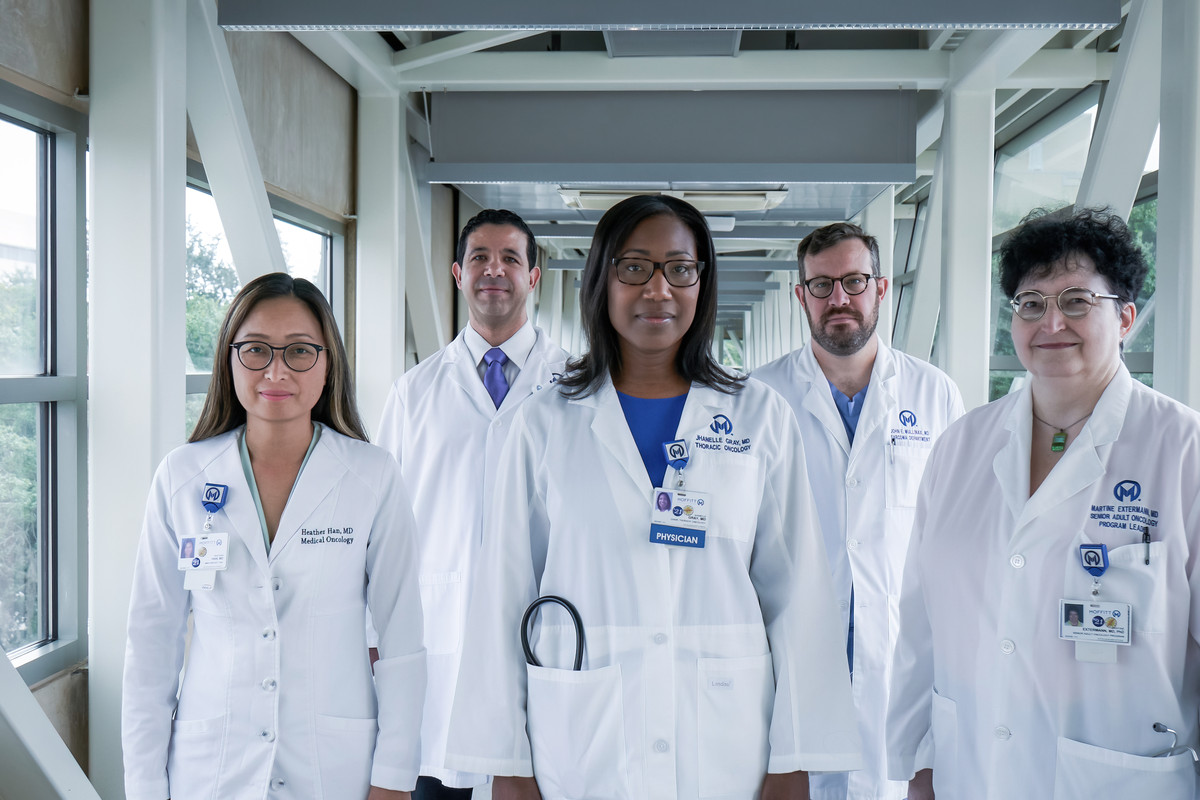
Moffitt’s highly acclaimed Malignant Hematology Program offers leading-edge treatment services for diffuse large B-cell lymphoma. In addition to a multispecialty team—including experts in medical oncology, hematology, radiation oncology and bone marrow transplantation—our patients have access to a robust portfolio of clinical trials, advanced targeted and cellular therapies and comprehensive supportive care services designed to enhance recovery and quality of life.
If you would like to learn more about diffuse large B cell lymphoma treatment, you can request an appointment with a specialist at Moffitt by calling 1-888-663-3488 or submitting a new patient registration form online. We do not require referrals.
Diffuse Large B-Cell Lymphoma