
Melanoma Causes and Risk Factors
Melanoma is a highly aggressive form of skin cancer that originates in melanocytes, the specialized cells responsible for producing melanin pigment. While less common than basal cell or squamous cell carcinomas, melanoma carries a significantly higher risk of deep tissue metastasis if left untreated. This malignancy routinely develops following accumulated cellular DNA damage, displaying clear variance across distinct environmental, genetic, and biological risk factors.
Quick Facts: Melanoma Causes and Risk Factors
- The Biological Mechanism: Melanoma forms when cellular DNA sustaining severe damage prompts melanocytes to mutate and multiply uncontrollably, forming localized skin tumors that can eventually infiltrate the lymphatic system or bloodstream
- Common Appearance: Characterized by the sudden appearance of a new skin growth or noticeable changes to an existing mole's size, shape, color, or texture
- Frequent Locations: Occurs most commonly on the back in men and on the lower legs in women
- Controllable Risk Factors & Environmental Triggers
- Ultraviolet (UV) Exposure: Frequent, intense exposure to UV radiation via natural sunlight remains the leading cause of preventable DNA damage, particularly during peak hours from 10 a.m. to 4 p.m.
- Indoor Tanning Equipment: Artificial tanning beds, booths, and lamps deliver highly concentrated UV radiation that directly accelerates malignant cellular transformations
- Uncontrollable Risk Factors & Biological Risk Factors
- Phenotypic Characteristics: Individuals possessing fair skin that easily freckles or burns, blue eyes, or naturally red or blonde hair exhibit lower baseline protection against UV-induced cellular mutations
- Dermatological Anomalies: Having a high total volume of standard moles, or the presence of large, atypical moles (dysplastic nevi), correlates with increased disease susceptibility
- Hereditary & Medical History: A personal or direct family history of melanoma increases baseline risk, alongside biological factors like advanced age, prior medical radiation exposure, or a compromised immune system
What causes melanoma?
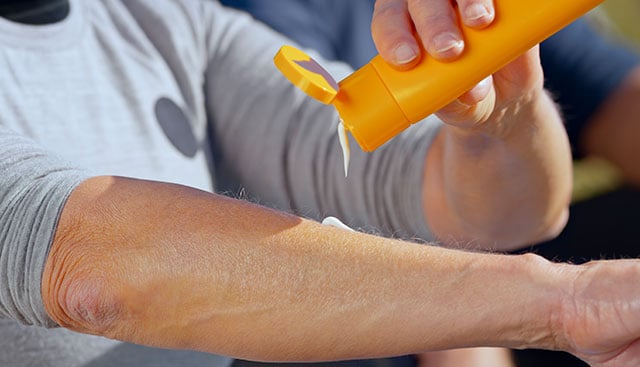
Melanoma develops when melanocytes undergo harmful changes that cause them to grow and divide uncontrollably. These changes occur when the cellular DNA is damaged, often through frequent exposure to ultraviolet (UV) light from the sun or indoor tanning devices. Other possible causes include exposure to ionizing radiation and a suppressed immune system. Additionally, DNA is inherited, and some DNA changes that increase the risk of melanoma can be passed from parent to child.
When melanocytes become cancerous, they can accumulate and form a tumor in the skin. If the tumor is not detected and treated early, the cancerous cells may spread to nearby tissues. Melanoma cells can also enter the bloodstream or lymphatic system, circulate throughout the body and reach distant organs.
What are the risk factors for melanoma?
There are several well-established risk factors for melanoma. While some can be managed, others cannot.
Melanoma risk factors that can be controlled
The primary risk factor for melanoma—exposure to UV light—can be controlled through positive lifestyle changes and preventive measures, such as:
- Minimizing sun exposure – One of the most effective ways to reduce the risk of melanoma is to limit exposure to UV radiation from the sun, especially between 10 a.m. to 4 p.m., when the sun’s rays are generally strongest. When spending time outdoors, it is essential to wear protective clothing, a hat and sunscreen.
- Not using indoor tanning devices – Contrary to popular belief, tanning beds, booths and lamps are just as damaging as the sun. Indoor tanning devices emit dangerous UV radiation that increases the risk of melanoma and other types of skin cancer.
Melanoma risk factors that cannot be controlled
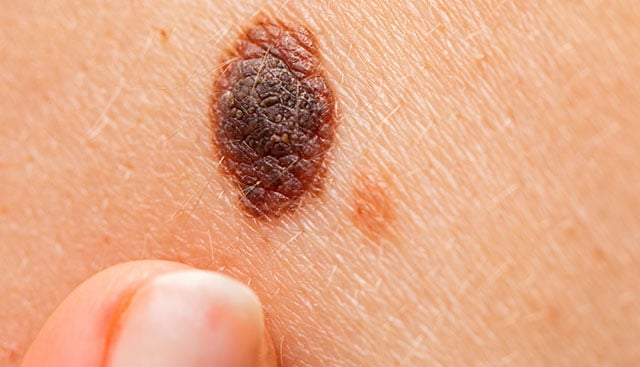
Some known melanoma risk factors that cannot be managed include:
- Many typical moles
- Atypical moles
- Large moles
- Personal or family history of melanoma
- Fair skin that freckles and burns easily
- Blue eyes
- Naturally red or blond hair
- Exposure to ionizing radiation from prior medical treatment
Additionally, as with many other types of cancer, melanoma risk increases with age.
Can melanoma be prevented?
In addition to taking proactive steps to manage the controllable risk factors for melanoma, it is important for everyone to learn about the signs and symptoms, become familiar with the look and feel of their skin, perform monthly self-exams and discuss any unusual changes with a healthcare professional who can provide an accurate diagnosis. Another key part of an effective melanoma prevention strategy is to have regular skin cancer screenings performed by a physician.
Frequently asked questions (FAQs) about melanoma causes and risk factors
The following FAQs-related article provides additional information about melanoma causes and risk factors:
Benefit from world-class care at Moffitt Cancer Center
Moffitt is pleased to provide free skin cancer screenings, education and sunscreen samples through our Mole Patrol®, a mobile skin cancer screening program that travels to various Florida venues throughout the year.
If you have been diagnosed with melanoma and would like to learn more about melanoma causes and risk factors, you can request an appointment with a specialist in our Cutaneous Oncology Program by calling 1-888-663-3488 or submitting a new patient registration form online. We do not require referrals.
Diagnosis