
Melanoma Surgery
Melanoma is an aggressive skin cancer that develops in melanin-producing cells (melanocytes). Melanin is the pigment that gives skin its color.
Surgery is the first-line treatment for early-stage melanoma, which is highly treatable and often curable. If the cancer has spread (metastasized) to other parts of the body, melanoma surgery may be combined with other treatments, such as chemotherapy and radiation therapy.
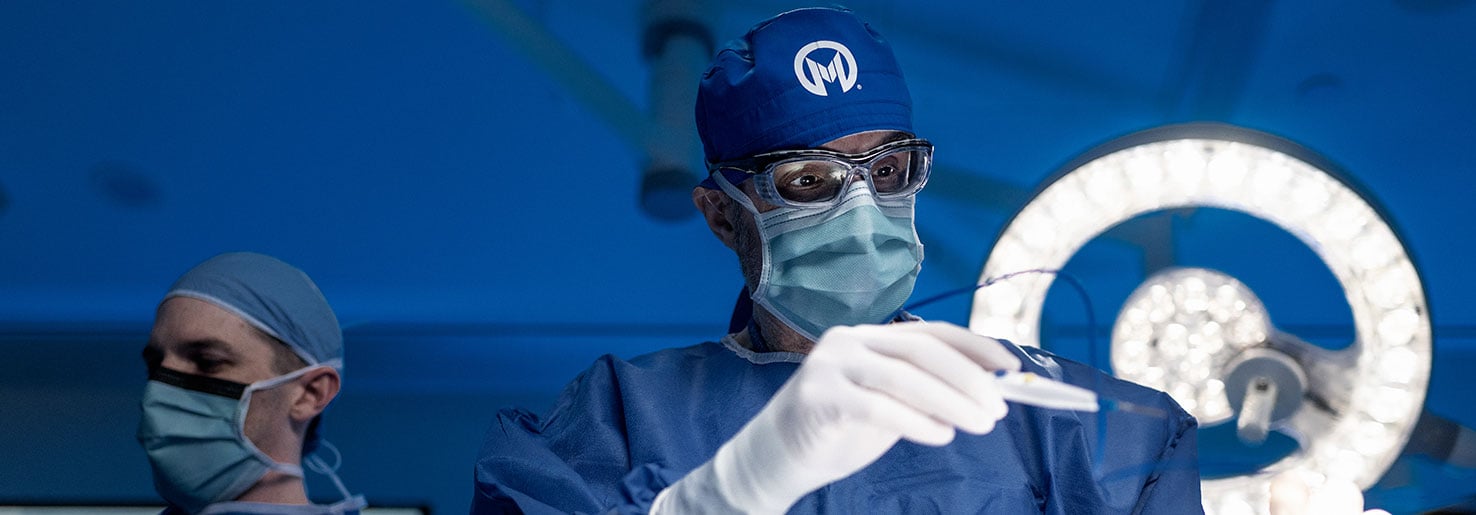
The types of melanoma surgery include:
Wide local excision for melanoma treatment
The most common type of melanoma surgery, wide local excision involves removing the cancerous skin lesion along with a slim margin of healthy surrounding tissue, which will be microscopically examined by a pathologist. If the pathologist determines that the margin is clear—which means no cancerous cells were found in the removed tissue surrounding the melanoma—no further treatment may be necessary.
Wide local excision is usually performed on an outpatient basis. Depending on the size and location of the melanoma, the patient may receive local or general anesthesia. After completing the procedure, the surgeon may close the surgical site with stitches. If a large amount of tissue was removed, a skin graft may be needed.
How to prepare for a wide local excision for melanoma treatment
Before a wide local excision, the patient should follow their surgeon’s preoperative instructions, which may include stopping certain medications, such as blood thinners, and quitting smoking to facilitate better healing. Because anesthesia or sedation may be used during the procedure, the patient may need to arrange for transportation home. As with any surgery, it will be important for the patient to ask questions and clarify the details of the procedure with their healthcare team beforehand.
What to expect during recovery from a wide local excision for melanoma treatment
After a wide local excision, the patient can expect some discomfort, swelling and bruising at the surgical site. Typically, any pain can be managed with over-the-counter or prescribed pain relievers. The treated area will likely be covered with a bandage, and the patient will need to follow specific wound care instructions to help prevent infection and promote healing. Any stitches will be removed in approximately one to two weeks. The patient should limit physical activity that could strain the excision site and follow up with their surgeon as instructed for monitoring and further treatment, if necessary.
Risks and potential complications of a wide local excision for melanoma treatment
Like any surgical procedure, a wide local excision carries some risks and potential complications, including:
- Infection at the surgical site
- Excessive bleeding
- Delayed wound healing
- Scarring
- Nerve damage, which may lead to numbness or reduced sensation near the excision site (rare)
#1 Cancer Hospital in Florida
Schedule an AppointmentMohs surgery for melanoma treatment
A common skin cancer treatment, Mohs micrographic surgery is named for Dr. Frederic E. Mohs, the physician who developed this tissue-sparing technique. Although more frequently used to treat basal cell carcinoma and squamous cell carcinoma, Mohs surgery may be considered for treating early-stage melanoma, especially lentigo maligna melanoma, which tends to grow slowly and may resemble an irregularly shaped freckle on the head or neck.
Mohs surgery is performed on an outpatient basis in conjunction with the University of South Florida Department of Dermatology. The patient will receive a local anesthetic to numb the surgical site. The surgeon will then remove the cancerous lesion along with a thin layer of surrounding skin, which will be microscopically examined by a pathologist for evidence of cancer. If cancerous cells are found, the surgeon will remove another thin layer of skin for analysis. These steps will be repeated until the margin is clear.
When used for treating basal cell carcinoma or squamous cell carcinoma, Mohs surgery is usually performed in a single surgical session. When used to treat melanoma, however, the procedure may be performed over a few days instead of a few hours, mainly because melanoma cells are more difficult to detect than other skin cancer cells. Known as “slow Mohs,” the modified procedure may involve adding a chemical stain to the removed tissue, which can enhance the visibility of melanoma cells when viewed under a microscope. After each skin layer is removed, the patient will be bandaged, sent home and asked to return the next day to receive the lab results and further treatment if needed.
How to prepare for Mohs surgery for melanoma treatment
Before Mohs surgery, the patient should follow their surgeon’s specific preoperative instructions, which may include stopping certain medications such as blood thinners, quitting smoking to promote better healing and arranging for transportation home if sedation will be used during the procedure. The patient should plan to wear comfortable clothing and expect to spend several hours at the surgery center. By discussing any concerns or questions with the surgeon beforehand, the patient can gain a more thorough understanding of the process and establish reasonable expectations for the procedure and recovery.
What to expect during recovery from Mohs surgery for melanoma treatment
After Mohs surgery, the patient can expect some swelling, bruising and mild discomfort at the surgical site. Any pain is typically manageable with over-the-counter pain relievers. The treated area will be covered with a bandage, and the patient will receive specific wound care instructions to help prevent infection and minimize scarring. Depending on the size of the excision, the wound may be closed with stitches, which will be removed within 1 to 2 weeks. Immediately afterward, physical activity may be limited to avoid straining the excision site. The patient will be scheduled for follow-up visits to monitor healing and ensure no further treatment is needed.
Risks and potential complications of Mohs surgery for melanoma treatment
The risks and potential complications of Mohs surgery include:
- Infection
- Excessive bleeding
- Scarring at the surgical site
- Nerve damage, which can cause temporary or permanent numbness near the excision area (rare)
- Poor wound healing or the need for reconstructive surgery, especially if a large amount of tissue was removed
Although Mohs surgery is highly effective for melanoma, there is a slight risk of cancer recurrence.
Lymph node dissection for melanoma treatment
Also known as lymphadenectomy, lymph node dissection may be performed along with melanoma surgery if the results of a lymph node biopsy show evidence of cancer spread. This surgical procedure involves removing one or more lymph nodes near the melanoma. The removed nodes will be microscopically examined by a pathologist to assess the extent of cancer spread in the lymphatic system and reduce the risk of metastasis. If cancer cells are found, further treatment such as chemotherapy or radiation therapy may be considered.
Lymphadenectomy is usually performed on an outpatient basis under general anesthesia, and most patients go home later on the same day.
How to prepare for lymph node dissection for melanoma treatment
Before lymphadenectomy, the patient should follow their surgeon’s instructions, which may include stopping certain medications, such as blood thinners, and fasting before surgery if general anesthesia is planned. The patient should also arrange transportation for the day of surgery, as well as prepare for their post-operative recovery at home. The surgeon may also provide specific guidance on how to care for the wound, limit physical activity afterward and schedule follow-up appointments. The patient should discuss any questions or concerns with their healthcare team before the procedure.
What to expect during recovery from lymph node dissection for melanoma treatment
After lymphadenectomy, the patient can expect some pain, swelling and bruising around the surgical site. Typically, the pain is manageable with prescribed or over-the-counter pain medications. To help prevent fluid buildup, the surgeon may place temporary drainage tubes at the surgical site; if so, the tubes will be removed within several days.
Limited mobility and numbness near the incision are common after lymphadenectomy. The patient may be advised to limit physical activity during recovery to promote healing and prevent complications, such as swelling due to lymph fluid buildup (lymphedema). During follow-up appointments, the surgeon will monitor the patient’s healing and address any issues.
Risks and potential complications of lymph node dissection for melanoma treatment
The risks and potential complications of lymphadenectomy include:
- Infection at the surgical site
- Lymphedema
- Temporary or permanent numbness, tingling or reduced mobility if nearby nerves are affected
- Bleeding or blood clot formation at the surgical site
- Delayed wound healing
Amputation for melanoma treatment
Amputation may be considered for melanoma treatment if the cancer has spread extensively to an ear, finger, toe, arm or leg and other treatments cannot effectively control it. The procedure involves surgically removing part or all of the affected appendage or limb to prevent the cancer from spreading further. While amputation for melanoma treatment is rare and typically reserved for advanced cases, it may be necessary to save the patient’s life or improve their quality of life. Afterward, the patient may undergo rehabilitation and may be fitted with a prosthesis to help restore function and mobility.
How to prepare for an amputation for melanoma treatment
Before an amputation, the patient should follow their surgeon’s preoperative instructions, which may include stopping certain medications, such as blood thinners, and fasting for several hours beforehand. The patient should also arrange to have help at home during the initial recovery period and discuss post-surgical care, including pain management, physical therapy and prosthetic options. Emotional preparation is also important, and counseling or support groups may be recommended to help the patient cope with the physical and emotional aspects of the surgery.
What to expect during recovery from an amputation for melanoma treatment
After an amputation, the patient can expect an initial period of pain, swelling and bruising at the surgical site, which can usually be managed with prescribed pain medications. The healing process can take several weeks, and during that time the patient will need to follow specific wound care instructions to help prevent infection. Physical therapy may be an essential part of recovery to help the patient regain mobility and adapt to life with a prosthesis if needed. Emotional adjustment is also an important part of recovery, and support from healthcare professionals, counselors or peer groups may be helpful. Regular follow-up appointments will be necessary to monitor the patient’s healing and check for signs of melanoma recurrence.
Risks and potential complications of amputation for melanoma treatment
The risks and potential complications of amputation include:
- Infection at the surgical site
- Sensations of pain or discomfort in the amputated limb (phantom limb pain)
- Excessive bleeding or blood clot formation at the surgical site
- Poor wound healing
- Emotional distress and other psychological effects
- Reduced function and mobility
Benefit from world-class care at Moffitt Cancer Center
The multispecialty team in Moffitt’s Cutaneous Oncology Program takes an individualized approach to melanoma treatment. When reviewing surgical options, our knowledgeable skin cancer specialists consider multiple factors, including the patient’s specific diagnosis, overall health and preferences.
Moffitt’s outstanding skin cancer surgeons are experienced in performing the latest surgical techniques for treating melanoma, including wide local excision, lymphadenectomy and minor and complex limb amputations. We also offer Mohs micrographic surgery in conjunction with the University of South Florida Department of Dermatology. Additionally, our patients who elect reconstructive or cosmetic surgery can work with the renowned plastic surgeons in our Reconstructive Oncology Program. Due in part to our comprehensive and urgent approach to melanoma treatment, we consistently achieve patient outcomes that exceed national averages.
If you would like to learn more about melanoma surgery, you can request an appointment with a skin cancer specialist in our Cutaneous Oncology Program by calling 1-888-663-3488 or submitting a new patient registration form online. We do not require referrals.
References
American Academy of Dermatology Association – What Is Mohs Surgery?
National Institutes of Health – Lentigo Maligna Melanoma
Verywellhealth – Mohs Surgery vs. Wide-Local Excision
Helpful Links: