
Immunotherapy for Sarcoma
Sarcoma is a type of cancer that begins in the body’s connective tissues, including the bones, muscles, fat, nerves and blood vessels. It can occur in people of any age, although certain subtypes are more common in children and young adults. Because sarcoma is relatively rare—accounting for approximately 15% of childhood cancers and only 1% of adult cancers—many patients seek care at a high-volume cancer center with specialized expertise in diagnosing and treating these complex tumors.
Immunotherapy has become an important treatment option for some people with sarcoma, offering a unique approach compared to traditional therapies, such as surgery, chemotherapy and radiation therapy. Instead of directly targeting cancer cells with medications or procedures, this biologic therapy works by strengthening the body’s own immune system so it can better recognize and destroy tumors.
Research continues to advance in the field of biologic therapy, providing new insights into how the immune system interacts with different sarcoma subtypes. As a result, immunotherapy is being increasingly considered for sarcoma and may be incorporated into a personalized treatment plan when it aligns with the patient’s diagnosis and health needs.
What does immunotherapy involve?
Immunotherapy may involve any of several treatments that guide or support the immune system’s natural response to cancer. The optimal approach can vary based on the subtype and stage of the tumor and the patient’s overall health.
The types of immunotherapy for sarcoma include:
- Immune checkpoint inhibitors to help the immune system recognize and attack cancer cells
- Cytokine therapy to boost the body’s natural immune response
- Cancer vaccines to stimulate targeted immune activity
- Adoptive cell therapy to modify the patient’s own immune cells to better fight cancer
If the patient is considering immunotherapy for sarcoma, the oncology team will fully explain how each treatment works and determine whether it may be appropriate for the patient’s specific situation.
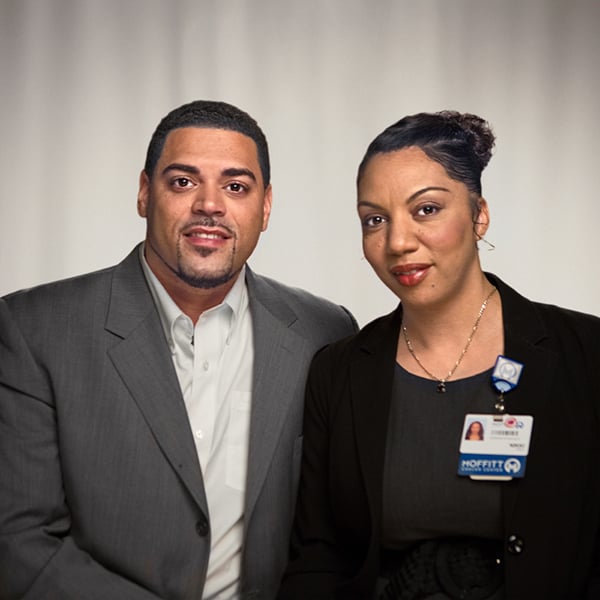
"My first experience it sounded like there was no hope. And when I came to Moffitt it was a totally different experience where there was hope, you know. There was going to be a silver lining at the end of all of this. And I was going to win."
Kevin, Sarcoma Survivor
Request an AppointmentWhat are the risks and possible complications of immunotherapy for sarcoma?
Immunotherapy may cause side effects if the immune system becomes overly active or mistakenly targets healthy tissues. While most adverse reactions are temporary and manageable, the patient should learn about the possible complications before starting treatment.
The potential risks of immunotherapy include:
- Fatigue or flu-like symptoms
- Skin rashes or itching
- Digestive issues, such as nausea, diarrhea or decreased appetite
- Inflammation of healthy organs, including the lungs, liver or thyroid
- Joint or muscle pain
Throughout immunotherapy, the patient will be monitored closely so the healthcare team can address any side effects promptly.
What to expect during recovery from immunotherapy for sarcoma
Recovery from immunotherapy can vary depending on the type of treatment and the patient’s individual immune response. Many patients are able to continue their daily activities during therapy, although some may need additional rest. Fatigue and other side effects typically improve or stabilize after treatment is completed. During periodic follow-up visits, the healthcare team will monitor the patient’s progress through imaging and blood tests and provide guidance on managing any lingering symptoms.
How effective is immunotherapy for sarcoma?
The effectiveness of immunotherapy for sarcoma may differ based on several factors, including the tumor’s subtype, stage, genetic features and response to prior treatments. While not all patients benefit, those who do may experience slowed tumor growth, symptom improvement or long-term cancer control. Clinical research continues to expand immunotherapy options for additional sarcoma subtypes and deepen the understanding of which patients are most likely to benefit based on the tumor’s characteristics.
#1 Cancer Hospital in Florida
Moffitt is the top-ranked cancer hospital in Florida and the Southeast and ranked No. 15 in the nation in Newsweek’s “America’s Best Cancer Hospitals."
Benefit from world-class care at Moffitt Cancer Center
Immunotherapy is revolutionizing the way cancer can be treated. As a high-volume cancer center that has earned a Comprehensive Cancer Center designation from the National Cancer Institute (NCI), Moffitt is uniquely positioned to offer the latest approved therapies—as well as promising new options—to our patients.
Although there are currently no FDA-approved immunotherapies for sarcoma, Moffitt’s scientists and clinicians are actively investigating immune-based approaches that have proven successful in treating other types of cancer. Through our robust sarcoma clinical trials program, we are evaluating the effectiveness of several novel biologic therapies, including the use of genetically modified immune cells (T cells) to target a molecule specific to sarcoma cancer cells and a vaccine-like treatment to stimulate the immune system against sarcoma antigens.
Moffitt is also a leader in the development of new intralesional therapies that involve injecting the tumor itself. For sarcoma, we are developing protocols with both FDA-approved medications and preclinical compounds that can be injected directly into the tumor to promote a cancer-fighting immune response.
Moffitt is one of only a select few cancer centers that offer a full spectrum of immunotherapy treatments, ranging from novel agents to cell-based therapies. Our dedicated, multispecialty research team works directly with our primary sarcoma team to ensure the highest level of care for our patients.
If you would like to learn more about immunotherapy for sarcoma, you can request an appointment with a specialist in our Sarcoma Program by calling 1-888-663-3488 or submitting a new patient registration form online. We do not require referrals.