
Hemipelvectomy Procedure
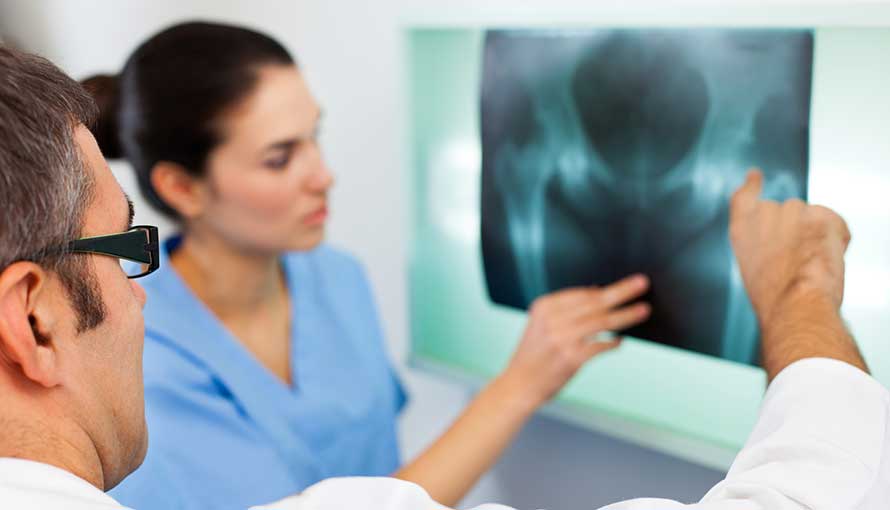
A hemipelvectomy is a surgical procedure that may be performed to address certain bone and soft tissue tumors that develop in or spread to the pelvis. This uncommon type of lower-extremity, above-the-knee amputation involves removing or resecting the pelvis. Usually, this procedure is considered only after other treatments, such as chemotherapy and radiation therapy, are attempted and produce unsatisfactory results.
What does a hemipelvectomy procedure involve?
When performing a hemipelvectomy for cancer treatment, the surgeon will make a large incision either in the area between the anus and external genitalia (perineum) or at the back of the patient’s body near the ilioinguinal nerve, a small nerve that branches away from the lower back and travels through the lower abdomen and groin. The surgeon will then remove the tumor along with a slim margin of surrounding healthy tissue, which will be immediately analyzed for evidence of cancer spread. Depending on the pathology results, the surgeon may remove additional tissue.
Surgical reconstruction is a standard part of any lower extremity amputation, including hemipelvectomy. In most cases, reconstruction involves the use of a skin graft or tissue flap to restore the contour of the pelvic area and protect the underlying structures, including any implanted metal screws or plates.
How does a hemipelvectomy differ from a hip disarticulation?
A hip disarticulation and a hemipelvectomy both involve the removal of the hip, knee and ankle joints, but the procedures differ significantly in scope. In a hip disarticulation, the entire lower limb is removed through the hip joint, while the pelvis remains intact. In contrast, a hemipelvectomy involves the removal of the entire lower limb along with part of the pelvis.
One important distinction is that a hip disarticulation preserves the ischium—a key weight-bearing bone—allowing for a more stable base to support a lower-extremity prosthetic. In a hemipelvectomy, the ischium on the affected side is also removed. As a result, weight-bearing is shifted to the remaining pelvic structures and surrounding soft tissues on the opposite side of the body.
How to prepare for a hemipelvectomy procedure
Preparation for a hemipelvectomy involves careful coordination with the medical team to ensure the best possible outcome. Before surgery, the patient will undergo a series of imaging tests, such as computed tomography (CT) or magnetic resonance imaging (MRI) scans, as well as blood work and a cardiac evaluation to assess their overall health. Consultations with the surgeon and anesthesiologist, as well as a physical therapist and mental health professional, can help the patient better understand the procedure, plan for their recovery and address any concerns.
In the weeks leading up to surgery, it will be important for the patient to stop smoking (if applicable), maintain a healthy diet and prepare their home for their post-operative mobility needs. For example, they may need to obtain medical equipment or an assistive device, such as a wheelchair or walker. Emotional preparation is equally important—open conversations with the healthcare team and support from family members, friends and peer groups can help the patient approach surgery with confidence.
What to expect after a hemipelvectomy procedure
Recovery after a hemipelvectomy is a complex process that involves both physical rehabilitation and emotional adjustment. Immediately after the procedure, the patient will remain in the hospital, where they will be closely monitored for surgical complications, such as infection, bleeding and blood clots, and receive wound care and pain management medications as needed. Early in the post-operative period, the patient will start physical therapy to support healing and mobility.
In general, physical therapy will focus on helping the patient build upper body strength, learn new ways to move and gradually regain independence. Depending on the type of hemipelvectomy performed, the patient may require an assistive device or prosthesis. The patient may also benefit from occupational therapy, which can provide helpful home adjustments and personal care strategies.
Emotional recovery is also important. After a hemipelvectomy, the patient may experience changes in their body image and mobility, and psychological support can help with adaptation and coping strategies. Ongoing follow-up visits with the healthcare team will be necessary to monitor healing, check for signs of recurrence (if cancer was involved) and adjust the rehabilitation plan as needed.
With the right support and rehabilitation, many patients can return to their daily routine with adapted mobility and maintain a high quality of life.

Services and features at Moffitt McKinley Hospital include:
- Surgery operating and recovery rooms
- Radiology/diagnostic imaging
- Pathology and laboratory
- Publix Pharmacy
- Ancillary clinical services
- Patient and Family Center
- Café and cafeteria
- Gift shop
What are the risks and potential complications of a hemipelvectomy procedure?
A hemipelvectomy is a major surgical procedure that carries certain risks, both during and after surgery. By understanding these risks, the patient can make fully informed treatment decisions and better prepare for their post-operative care.
The surgical risks associated with a hemipelvectomy procedure include:
- Excessive bleeding, which may require transfusion
- Infection, particularly at the surgical site or in deeper tissues
- Blood clots, such as deep vein thrombosis or pulmonary embolism
- Adverse reaction to anesthesia, which may affect breathing, heart function or consciousness
After a hemipelvectomy, possible post-operative complications include:
- Wound healing issues, including delayed healing and wound breakdown
- Phantom limb pain
- Nerve damage, which may cause numbness, weakness or chronic pain
- Hernia or bowel complications
Long-term risks of a hemipelvectomy include:
- Reduced mobility, requiring an assistive device or prosthetic
- Psychological issues, such as depression and anxiety, related to changes in body image and independence
- Cancer recurrence, if the procedure was performed for oncologic reasons
Each patient’s risk profile will vary depending on their overall health, the extent of the procedure and the underlying condition being treated. Close follow-up with the surgical and rehabilitation teams will be essential to monitor healing, manage symptoms and reduce the likelihood of complications.
Benefit from world-class care at Moffitt Cancer Center
If you are considering a hemipelvectomy procedure and you have questions, you are welcome to talk with a specialist in the Sarcoma Program at Moffitt. To request an appointment, call 1-888-663-3488 or submit a new patient registration form online. We do not require referrals.