
Spinal Cancer Treatment
Spinal cancer refers to abnormal growths that form in or around the spinal cord or vertebral column. These growths may be primary tumors that originate in the spinal tissues, such as bone, nerves or the spinal cord itself, or secondary (metastatic) tumors that develop elsewhere in the body and spread to the spine.
Spinal tumors can occur at any age, although certain types are more common in adults. Overall, the condition is considered rare. While cancers of the brain and spinal cord together account for several thousand diagnoses in the United States each year, only a small percentage of these tumors originate in the spine. Primary spinal cord tumors are especially uncommon, occurring at a rate of fewer than one case per 100,000 people annually.
Though relatively rare, spinal cancer poses significant concerns due to its potential to affect neurological function, mobility and quality of life. Because the spine houses the spinal cord and supports the body’s structure, even a small tumor can cause disruptive symptoms, such as back pain, weakness, numbness or changes in bladder or bowel control.
Spinal cancer requires thoughtful, individualized care. Treatment planning often involves multiple specialists working together to balance effective tumor control with preservation of function. While the best approach depends on the tumor’s type, location and stage, treatment often includes a combination of surgery, radiation therapy, chemotherapy or emerging options, such as clinical trials.
Surgery for spinal cancer
Surgery may be recommended if a tumor threatens the spinal cord or nearby nerves, creates instability in the spine or does not respond adequately to other treatments. Depending on the situation, the goal may be to remove the tumor, reduce its size to relieve pressure or stabilize the spine to help prevent neurological complications.
Surgical techniques for spinal cancer treatment
Different spinal tumors may require different treatment strategies. To determine the most appropriate approach, the healthcare team will assess the tumor’s type, location and extent, along with the patient’s overall health and functional needs. For example, an intradural tumor within the spinal canal may necessitate precise microsurgical techniques, while a vertebral tumor may involve removing and reconstructing part of the affected bone.

ACS Surgical Quality Partner for 30+ Years
Continuously Accredited by the American College of Surgeons Commission on Cancer since 1989 for our commitment to providing comprehensive, high-quality and multispecialty patient-centered care.
When appropriate, the surgeon may use minimally invasive methods to reduce discomfort and support a faster recovery. In more complex situations, a broader operation may be needed to protect the spinal cord and maintain spinal stability.
Spinal tumor resection
Tumor resection is a common surgical treatment approach for spinal cancer. This procedure focuses on removing as much of the tumor as safely possible. When feasible, the goal is complete removal; however, if the tumor is positioned too close to critical nerves or structures, a partial resection may be performed to relieve pressure on the spinal cord while preserving function. The surgeon may use microsurgical instruments and advanced imaging technology to enhance accuracy and protect surrounding tissues.
Spinal decompression
Spinal decompression may be considered to relieve tumor-related pressure on the spinal cord or nearby nerves. During this procedure, the surgeon will remove small sections of bone or tissue that are contributing to the compression. By creating more space within the spinal canal, decompression can help improve spinal cancer symptoms, such as pain, numbness and weakness.
Spinal stabilization
If the tumor is compromising the strength of the vertebrae, spinal stabilization techniques may be used to support the affected region. This approach may involve placing metal rods, plates or screws to reinforce the spine following tumor resection or structural weakening. Stabilization can help restore proper alignment, reduce pain and safeguard the spinal cord.
Kyphoplasty
If the tumor has caused a vertebral fracture or substantial bone loss, kyphoplasty may be an appropriate surgical treatment option. This minimally invasive procedure involves inserting a small balloon-like medical device into the damaged vertebra and gently inflating it to help restore the vertebra’s height and shape. The space created is then filled with bone cement to help stabilize the spine and alleviate pain. Kyphoplasty may be performed on its own or alongside other surgical techniques if the tumor has weakened the overall structure of the spine.
Side effects and risks of surgery for spinal cancer
Procedures such as tumor resection, spinal decompression, spinal stabilization and kyphoplasty can be highly effective for managing spinal cancer, but all types of surgery carry certain risks. As part of the planning process, the healthcare team will carefully weigh the potential benefits and risks to determine whether surgical treatment is the most appropriate first-line option.
Possible side effects and complications of surgery for spinal cancer include:
- Infection at the incision site
- Excessive bleeding or blood clots
- Leakage of spinal fluid
- Injury to nearby nerves or tissues
- Temporary or permanent changes in sensation or mobility
- Hardware-related issues after spinal stabilization
Preparation and recovery from surgery for spinal cancer
Before undergoing spine surgery, the patient will complete a series of imaging studies and a physical evaluation. These assessments will help the healthcare team understand the tumor’s size, location and involvement with surrounding structures, allowing them to plan the safest and most effective surgical treatment approach. The patient may also be advised to adjust certain medications, stop smoking and/or complete specific preoperative lab tests to support the best possible surgical outcome.
Recovery after spine surgery can vary widely based on the complexity of the procedure. Many patients remain in the hospital for several days for close monitoring and initial rehabilitation. Pain management, physical therapy and proper wound care can improve comfort, promote healing and help the patient gradually regain strength and mobility. Follow-up imaging will allow the healthcare team to assess the surgical result and determine whether further treatment is needed.
Radiation therapy for spinal cancer
Radiation therapy uses high-energy beams to damage the DNA of cancer cells, limiting their ability to grow and multiply. This common treatment for spinal cancer may be used to slow tumor progression, relieve pain or eliminate cancer cells that remain after surgery. It can also serve as the primary treatment for a tumor that cannot be safely removed.
To deliver the radiation more precisely, today’s treatment plans often incorporate advanced techniques, such as intensity-modulated radiation therapy (IMRT) and stereotactic body radiation therapy (SBRT). These highly targeted methods concentrate the radiation on the tumor while minimizing exposure to the surrounding healthy tissues, which can help reduce side effects.
The timeline for radiation therapy can vary depending on how the treatment is delivered. Some patients have daily sessions scheduled over several weeks, while others complete a shorter series of high-dose treatments, which can potentially lead to a faster result.
Side effects and risks of radiation therapy for spinal cancer
While radiation therapy is generally well tolerated, side effects can occur based on the dose and treatment site. Some patients may experience:
- Skin irritation resembling a sunburn
- Fatigue, which may increase over the course of treatment
- Temporary swelling that may cause discomfort
- Nausea, especially when the thoracic region of the spine is treated
- Esophagitis, if the radiation affects structures in or near the chest
- Long-term risks, such as tissue fibrosis or nerve damage (rare)
Preparation and recovery from radiation therapy for spinal cancer
Preparation for radiation therapy begins with a simulation. During this appointment, the physician will use imaging studies to map the precise treatment field. A custom immobilization device may be created to help keep the patient’s spine in proper alignment during each treatment session.
Recovery from radiation therapy is usually gradual, with most side effects improving within a few weeks after treatment ends. In general, the patient will be encouraged to stay well hydrated, maintain balanced nutrition and communicate any unusual changes to the healthcare team right away. During periodic follow-up appointments, the team will track the patient’s progress and determine whether further treatment is necessary.
Chemotherapy for spinal cancer
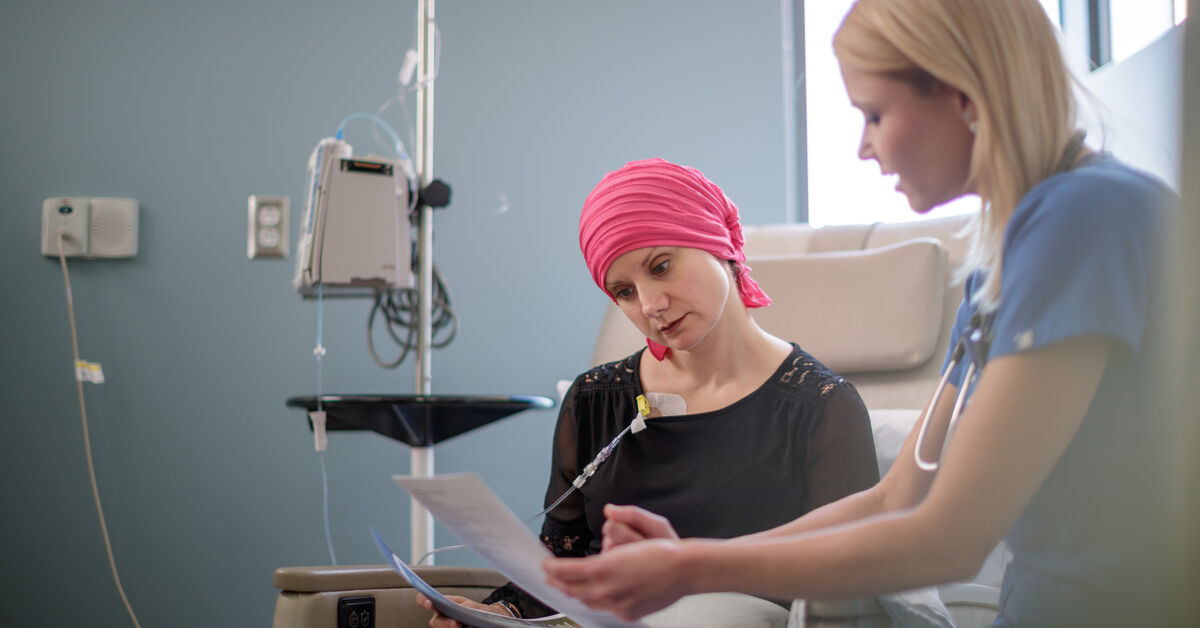
Chemotherapy may be considered for spinal cancer that has spread beyond the spine. Usually administered intravenously, this systemic treatment uses powerful medications that enter the bloodstream and circulate throughout the body to target and destroy rapidly dividing cells.
Different chemotherapy agents work in different ways. Some interfere with DNA replication, while others disrupt cell division or alter cellular metabolism. The healthcare team will determine the optimal drug regimen based on the type of spinal cancer and the patient’s overall health and treatment goals.
Chemotherapy is typically delivered in cycles, which include a period of active therapy followed by a period of rest to allow the body time to recover. The number and length of these cycles can vary depending on the medications used and how well the patient tolerates therapy.
For enhanced effectiveness, chemotherapy may be combined with surgery or radiation therapy. It can also be used to shrink a tumor before surgery or another treatment.
Side effects and risks of chemotherapy for spinal cancer
Because chemotherapy targets all rapidly dividing cells, it can affect healthy cells as well as cancerous cells. For this reason, side effects are common, although most are temporary and manageable with supportive care.
Potential side effects of chemotherapy include:
- Fatigue and reduced energy
- Hair thinning or hair loss
- Changes in appetite or taste sensation
- Nausea or vomiting
- Increased susceptibility to infections due to lowered white blood cell counts
- Easy bleeding or bruising
- Peripheral neuropathy
Preparation and recovery from chemotherapy for spinal cancer
Before beginning chemotherapy, the patient will undergo lab tests, imaging studies and a review of their current medications. These evaluations can help the healthcare team develop a safe and effective treatment plan tailored to the patient’s individual needs. In some cases, a port or catheter may be placed to make repeated infusions more comfortable and efficient.
Recovery from each treatment cycle can vary. Many side effects peak shortly after an infusion and slowly improve before the next cycle. Many patients benefit from extra rest, nutritional guidance, infection prevention strategies and open communication with their oncology team. Through routine lab work, the team will monitor the response to treatment and determine whether any adjustments are needed.
Clinical trials for spinal cancer
Clinical trials provide some patients with unique opportunities to benefit from promising new therapies that are not yet widely available. These important research studies allow scientists and clinicians to evaluate the effectiveness of novel drugs and drug combinations, surgical procedures, radiation delivery techniques or combined approaches that may improve outcomes for spinal cancer. All trials follow strict safety protocols, and participants are continually monitored by experienced medical professionals.
A clinical trial may be considered at any stage of spinal cancer treatment. Some patients explore trials after all standard treatment options have been exhausted, while others consider early-phase studies to access new approaches with promising preliminary results. To determine whether a clinical trial is appropriate, the healthcare team will carefully consider the tumor type, any previous therapies and the patient’s overall health.
Clinical trials contribute to long-term advancements in cancer care, helping physicians refine treatment strategies and uncover options that may lead to better tumor control and enhanced quality of life.
 Florida's First NCI-designated Comprehensive Cancer Center
Recognized for its scientific excellence, Moffitt is the state's longest-established National Cancer Institute-designated Comprehensive Cancer Center.
Benefit from world-class care at Moffitt Cancer Center
Spinal cancer treatment is most effective when it reflects a comprehensive understanding of the patient’s needs. At Moffitt, treatment is highly individualized by a multispecialty team that collaborates closely to guide decision-making. Our dedicated spinal tumor board meets weekly to review complex cases, evaluating clinical reports, imaging and pathology details to personalize or adjust each care plan as needed.
Moffitt’s integrated approach to cancer treatment is a key reason why our outcomes surpass national averages. By uniting experts across surgical oncology, radiation oncology, medical oncology, pain management, rehabilitation and supportive care, we deliver multispecialty care to help each patient achieve the best possible outcome and quality of life.
If you would like to explore your treatment options for spinal cancer with a specialist in the Neuro-Oncology Program at Moffitt, you can request an appointment by calling 1-888-663-3488 or submitting a new patient registration form online. We do not require referrals.
Treatment