
Thymoma Surgery
Thymoma is a rare cancer that originates in the cells lining the thymus. Located beneath the breastbone, this small lymphoid organ produces T lymphocytes (T cells), which are essential for immune function.
Although thymoma is uncommon overall, it is the most frequently occurring cancer of the thymus. Most tumors grow slowly, and only a small percentage spread beyond their site of origin. Symptoms can vary and may be unnoticeable in the early stages. Common warning signs include a persistent cough, chest pain and shortness of breath, which can develop as a growing tumor begins to press on nearby structures in the chest.
Tumors that develop in the thymus can be benign or cancerous. However, most oncologists treat noncancerous tumors as potentially malignant to ensure the best possible outcome and quality of life. The prognosis for thymoma is generally favorable, particularly when the tumor is diagnosed early and treated effectively.
The primary treatment for thymoma is surgery (thymectomy), which is often successful, especially when the tumor is localized to the thymus. In some cases, additional treatment, such as radiation therapy or chemotherapy, may be considered after surgery to eliminate any remaining microscopic cancer cells and help prevent recurrence.
In addition to treating thymoma, thymectomy may be considered to address myasthenia gravis, an autoimmune condition that occurs when the thymus produces antibodies that interfere with muscle function. Myasthenia gravis sometimes accompanies thymoma.
ACS Surgical Quality Partner for 30+ Years
Continuously Accredited by the American College of Surgeons Commission on Cancer since 1989 for our commitment to providing comprehensive, high-quality and multispecialty patient-centered care.
Types of thymectomy for thymoma
The goal of thymectomy is to remove the thymoma and, in many cases, the entire thymus to reduce the risk of cancer recurrence. Several surgical techniques may be used, and the optimal approach can vary depending on factors such as the type, size, location and stage of the tumor and the patient’s overall health. Options may include:
Transsternal thymectomy for thymoma
After creating an incision in front of the breastbone (sternum), the surgeon will divide the sternum (median sternotomy) to access and remove the thymus along with some fatty tissue from the membrane surrounding the heart (pericardium), which may harbor cancerous cells. This traditional open surgical procedure provides a clear view of the thymus and surrounding structures, making it the preferred approach for removing a large or complex tumor. Although sternotomy generally requires a longer recovery than minimally invasive surgery, it allows for more thorough thymoma removal.
Transcervical thymectomy for thymoma
After making a small incision at the base of the neck, the surgeon can access and remove the thymus without dividing the sternum. This minimally invasive thymoma surgery generally involves smaller incisions, less tissue disruption and a faster recovery compared to more invasive surgical techniques. However, it does not allow for the removal of pericardial fat, which may contain separate nests of thymoma cells.
Robotic-assisted thymectomy for thymoma
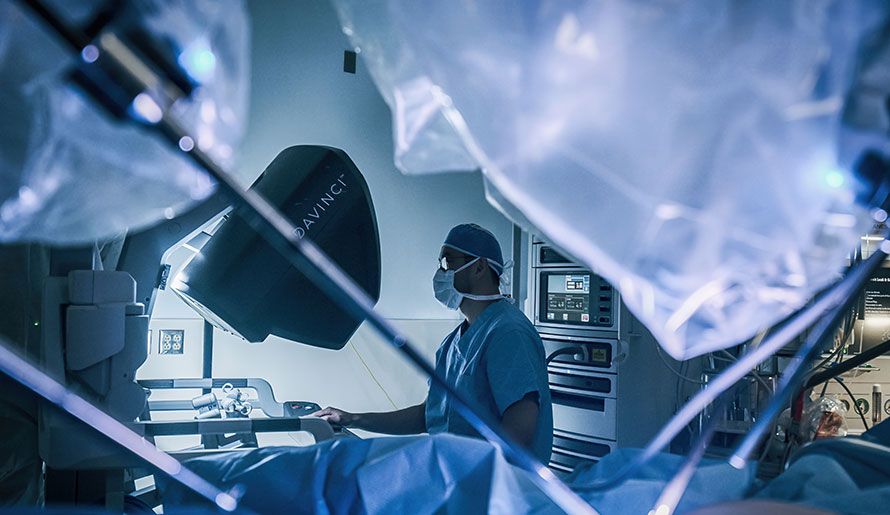
After making a few small incisions, the surgeon will remove the thymus with the assistance of an advanced robotic surgical system, such as the da Vinci® Surgical System. This state-of-the-art technology will provide the surgeon with a high-definition, three-dimensional view of the surgical site while enabling precise control of wristed surgical instruments that bend and rotate beyond the capability of the human hand. Robotic-assisted thymectomy may be particularly advantageous for removing a small tumor. Compared to open thymoma surgery, this minimally invasive technique typically involves smaller incisions, a shorter recovery, less post-operative pain and minimal scarring.
Extended thymectomy for thymoma
Extended thymectomy may be considered to address thymoma that has spread beyond the thymus and invaded nearby tissues or lymph nodes. This procedure involves removing not only the thymus but also the surrounding fatty tissues and, if needed, portions of nearby organs, such as the lungs and pericardium. This approach may be recommended to help ensure complete tumor removal and reduce the risk of cancer recurrence.

#1 Cancer Hospital in Florida
Moffitt is the top-ranked cancer hospital in Florida and the Southeast and ranked No. 15 in the nation in Newsweek’s “America’s Best Cancer Hospitals."
What to expect before, during and after thymoma surgery
Like any surgery, thymectomy may seem daunting. Here is a general idea of what the patient can expect:
How to prepare for thymoma surgery
In the weeks leading up to thymoma surgery, the patient will undergo a thorough medical evaluation, including imaging scans and blood work, to help the surgeon pinpoint the location and size of the tumor. The surgical team will provide specific instructions on how to fast before the procedure and adjust any medications if needed. If the patient smokes, they will likely be advised to quit beforehand to promote better healing and reduce surgical risks.
What happens during thymoma surgery?
Before thymoma surgery, the patient will be placed under general anesthesia to ensure they remain unconscious and comfortable throughout the procedure, which can vary based on the surgical technique used. In general, the goal is to remove the thymus and any affected tissues while preserving the critical structures in the chest.
What to expect after thymoma surgery
Immediately after thymoma surgery, the patient will be closely monitored in a recovery area before being transferred to a hospital room. Pain management, breathing exercises and physical activity will all play a key role in the recovery process. The length of the hospital stay can vary depending on the surgical approach, with minimally invasive thymoma surgery typically allowing for a quicker discharge. The patient will be sent home with detailed post-operative instructions, including activity restrictions and follow-up care to monitor healing and check for complications.
What are the risks and potential complications of thymoma surgery?
Thymoma surgery is generally safe, but like any procedure, it carries certain risks and potential complications. While many patients recover without issue, some may experience:
- Bleeding or infection – Any surgery carries a risk of excessive bleeding or infection at the incision site.
- Breathing difficulties – Some patients may have temporary breathing issues due to lung irritation or weakness after thymoma surgery.
- Damage to nearby structures – The thymus is located near vital organs and tissues in the chest, such as the heart, lungs and major blood vessels, and there is a slight risk of injury to these structures.
- Damage to nerves – The phrenic nerve, which controls the diaphragm, and other nearby nerves could be affected by thymoma surgery, leading to issues with breathing or muscle control.
- Prolonged recovery – Although many patients recover well from thymoma surgery, some may experience persistent fatigue, discomfort and a longer-than-expected healing time.
The surgical team will take appropriate precautions to minimize these risks and provide appropriate post-operative care to support a smooth recovery.
Benefit from world-class care at Moffitt Cancer Center
Candidates for thymoma surgery can feel confident in the fellowship-trained, board-certified thoracic surgeons in the Thoracic Oncology Program at Moffitt. We specialize in performing complex lung and chest procedures, including the latest thymectomy techniques. When suitable, we perform robotic-assisted thymectomy with the assistance of the advanced da Vinci Surgical System. Through our robust portfolio of clinical trials, our patients also have unique opportunities to benefit from innovative surgical techniques not yet being performed elsewhere.
If you would like to learn more about thymoma surgery, you can request an appointment with a specialist in the Thoracic Oncology Program at Moffitt by calling 1-888-663-3488 or submitting a new patient registration form online. We do not require referrals.
Surgery