The Vital Role of Respiratory Therapists in Oncology Care
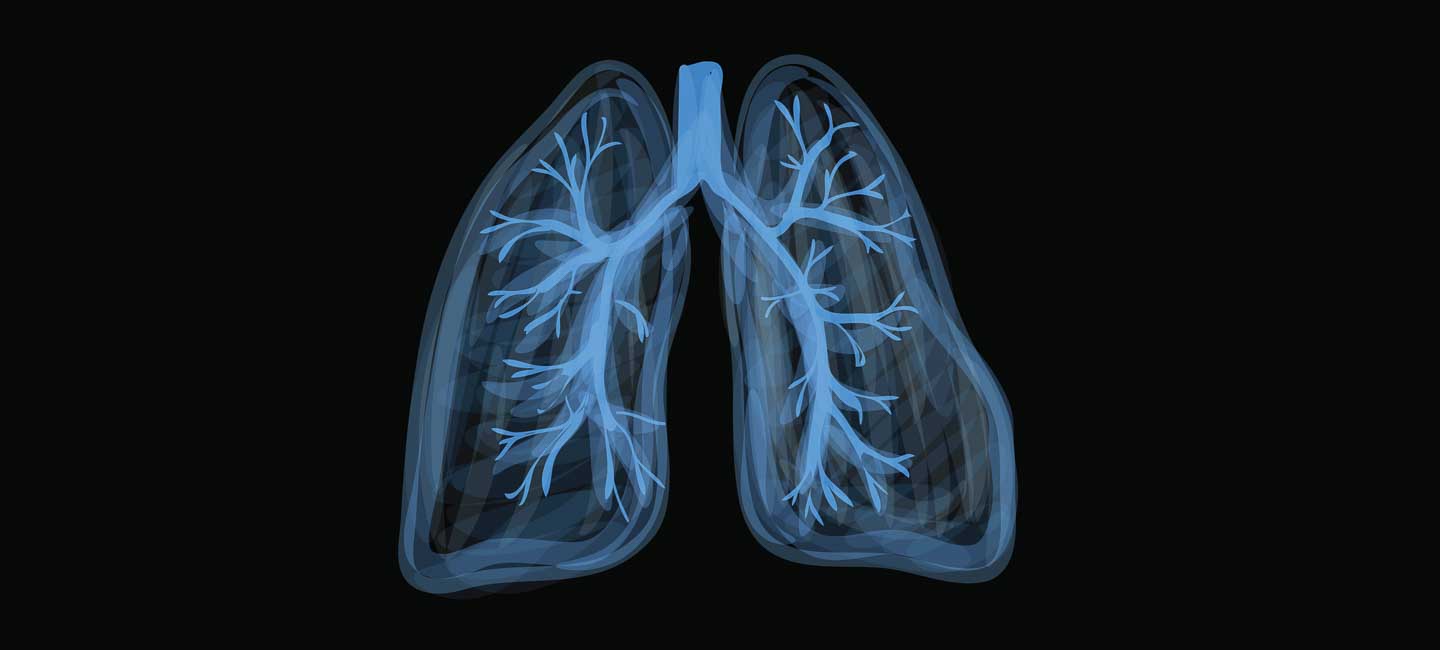
Like many people, when you think of cancer treatment, you probably envision a team of oncologists, surgeons and nurses. However, respiratory therapists (RTs) also play a crucial role in supporting many cancer patients, especially those whose condition or treatment affects their respiratory system. A complex network of bodily organs and other structures, the respiratory system is responsible for taking in oxygen and releasing carbon dioxide, both of which are vital for cellular respiration and energy production.
At Moffitt Cancer Center, RTs are integral members of our multispecialty team, ensuring our patients receive the expert care they need to maintain optimal lung function throughout their cancer journey.
What does a respiratory therapist do?
RTs are highly trained healthcare professionals who specialize in assessing, diagnosing and treating medical conditions that affect the breathing process. They assist patients with long-term lung conditions, such as chronic obstructive pulmonary disease (COPD) and asthma, as well as those with acute respiratory issues caused by injury, infection or medical treatment. Using a variety of advanced techniques and equipment—including oxygen therapy, pulmonary rehabilitation and ventilators—respiratory therapists help patients breathe easier and improve their quality of life.
The role of a respiratory therapist at Moffitt
The RTs at Moffitt provide essential care for patients undergoing cancer treatment, particularly those with lung cancer, head or neck cancer or complications from chemotherapy or radiation therapy. Though lifesaving in many cases, cancer treatment can sometimes weaken the lungs, making it difficult for the patient to breathe. Working closely with oncologists and other specialists, respiratory therapists help our patients manage disruptive pulmonary symptoms and improve their comfort and overall well-being.
Some of the key responsibilities of a respiratory therapist at Moffitt include:
- Ease breathing difficulties – Cancer treatment can sometimes cause inflammation, fluid buildup or scarring in the lungs, leading to an uncomfortable sensation of not being able to take in enough air. A RT can provide specialized therapies to help alleviate shortness of breath.
- Perform pulmonary function tests (PFTs) – The results of a PFT can provide a physician with valuable insights about a cancer patient’s lung capacity and function, allowing for more tailored treatment based on the patient’s respiratory health condition.
- Administer oxygen therapy – A cancer patient with low blood oxygen levels (hypoxemia) may require supplemental oxygen delivered via a nasal cannula or mask. A respiratory therapist can determine the appropriate oxygen flow rate, continually monitor the patient’s oxygen saturation and adjust the treatment as needed.
- Support patients on ventilators – Due to severe respiratory distress, a cancer patient may require mechanical ventilation. An RT can continually monitor the ventilator settings and make any necessary adjustments to ensure optimal breathing support.
- Educate patients and their families – A respiratory therapist can provide personalized instructions on how to use an inhaler, perform breathing exercises and manage lung-related issues at home.
How respiratory therapists support Moffitt’s cancer-fighting mission
Moffitt is dedicated to preventing and curing cancer while providing exceptional patient care. RTs contribute to our lifesaving mission by helping our patients breathe as comfortably as possible throughout their cancer treatment. With optimal lung function, a patient may better tolerate chemotherapy, radiation therapy and surgery, ultimately improving their treatment outcome and quality of life. The focused expertise of a respiratory therapist is also critical in delivering supportive care, where pulmonary symptom management is a priority for many patients with advanced-stage cancer.
The growing need for respiratory therapists
The demand for RTs is on the rise, primarily driven by an aging population and increasing rates of chronic lung conditions. In oncology care, the need for skilled respiratory therapists is even more pressing, as cancer treatment can place a significant burden on a patient’s pulmonary health. Moffitt continues to expand its services, and RTs remain instrumental in providing specialized care for our patients with complex respiratory needs.
Although RTs are often unsung heroes in oncology care, they serve a vital function in helping cancer patients breathe easier and navigate the challenges of treatment. If you would like to pursue a challenging and rewarding career opportunity, consider the position of respiratory therapist at Moffitt, where your expertise, compassion and dedication can make a meaningful impact on the lives of many people touched by cancer. As you help our patients overcome their lung-related difficulties and regain their quality of life, you will likely find a deep sense of personal fulfillment and satisfaction.