
Cancer Biology Major Students
Below are the Cancer Biology students who are a part of the larger integrated PhD Program.
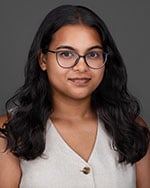
Aditi Ashish
Major Professor: Rotating

Alicia
The mission of the Marusyk Lab is to understand the development of therapy resistance from an eco-evolutionary angle, considering both changes occurring in tumor cells, as well as influences of the tumor microenvironment. My research focuses on understanding the evolutionary paths cancer cells take to become resistant to therapeutic agents and exploring ways to prevent this resistance.
Major Professor: Andriy Marusyk, PhD
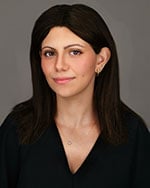 Anissa
Major Professor: Rotating
 Anna
Anna
The Duckett Lab focuses on drug discovery by identifying novel anti-cancer targets, understanding how they drive tumor progression and resistance, and developing small-molecule probes to modulate their activity. My research explores the emergence and establishment of resistance to the BCL-2 inhibitor venetoclax in mantle cell lymphoma through the lens of tumor evolution. I use cellular DNA barcoding to trace clonal dynamics and uncover the signaling pathways and molecular mechanisms that support minimal residual disease (MRD) during and after treatment, with the goal of preventing relapse. Additionally, I apply high-throughput chemical probe screening and chemical proteomics to identify novel therapeutic targets and vulnerabilities in stably venetoclax-resistant disease.
Major Professor: Derek Duckett, PhD
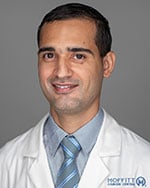 Ansar
Ansar
The Duckett Lab is committed to finding and confirming new targets for anti-cancer treatments. This includes developing small molecule probes to investigate how perturbations in cell signaling pathways contribute to tumor growth, metastasis, and resistance to therapy. My research specifically focuses on identifying novel drug targets and those driving resistance to current therapies for triple negative breast cancer (TNBC). This is achieved by combining chemoproteomics with novel enantiomeric probes to investigate the ligandable proteome of TNBC cells. Progress in this area will ultimately facilitate the advancement of future drug discovery prospects, improving the anti-cancer armamentarium against TNBC and better treatment outcomes for patients.
Major Professor: Derek Duckett, PhD
 Athena
Bioengineering provides new platforms and materials that can be employed for the detection and treatment of cancer. My project is the development of a bioconjugated hydrogel to locally deliver T cells and supporting cytokines for the treatment of peritoneal carcinomatosis. My research will aid in providing a foundation for a safe and effective form of adoptive cell therapy to deliver a higher number of T cells to the site of the tumor while minimizing toxicities associated with systemic administration of immunotherapy.
Co-Major Professors: W. Gregory Sawyer, PhD & Patrick Hwu, MD
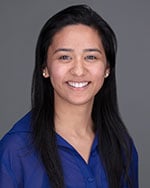 Avani
Avani
Our lab focuses on understanding p53 and its family members (p63 and p73). We aim to understand the complexity of this gene family to potentially design targeted therapies for cancer patients harboring mutations in the p53 family of genes. My research is focused on identifying the roles of long non-coding RNAs (IncRNAs) whose expression is controlled by TAp63 (p63 isoform) and correlates with breast cancer evolution and tumor grade.
Major Professor: Elsa Flores, PhD
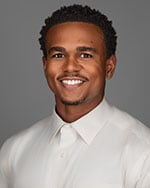 Chancellor
Major Professor: Rotating
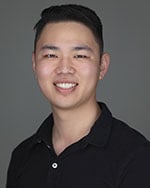 Darwin
We are currently looking at the role of mitochondrial unfolded protein response on melanoma and the tumor microenvironment. I also do bioinformatic analysis on genetic and transcriptomic data.
Major Professor: Paulo Rodriguez, PhD
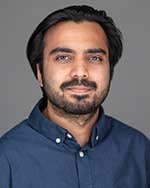 Devesh
In the Gomes lab, we focus on how the aging process shapes the tumorigenic process. My research focuses on the role of circulatory changes in the aged host in modulating anti-cancer drug efficacy and therapy resistance.
Major Professor: Ana Gomes, PhD
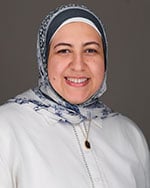 Dina
Dina
Major Professor: Rotating
 Emily
Emily
Major Professor: Rotating
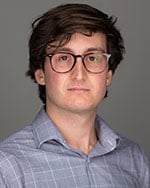 Ethan
Ethan
The objective of my research is to study mechanisms by which melanoma CNS metastasis rewires the transcription & metabolism of resident astrocytes in the brain tumor microenvironment, activating a state of reactive astrogliosis. We have a particular interest in how these functional changes in reactive astrocytes modulate immune cell infiltration and alter the response to therapy.
Major Professor: Inna Smalley, Ph.D.
 Hannah
The Duckett lab is focused on identifying novel anti-cancer targets, developing small molecule probes against these targets, and interrogating how their altered signaling drives tumor progression, metastasis and therapy resistance. My research is focused on generating novel therapeutic approaches for the treatment of EWS fusion protein driven cancers.
Major Professor: Derek Duckett, PhD
 Hannah
The Gatenby lab studies how evolutionary principles and dynamics play a role in the progression of cancer. My research focuses on understanding the evolution of treatment resistant populations and how we can utilize evolutionary dynamics to determine treatments that target specific adaptive resistance mechanisms in cancer.
Major Professor: Robert A. Gatenby, MD

Isabella
Major Professor: Undergoing rotations
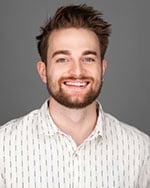 Jacob
Jacob
Major Professor: Rotating
 Jodie
Jodie
Our lab aims to identify novel genetic and epigenetic biomarkers of cancer that will inform the assessments of cancer risk, the detection of early-stage cancers, and the response and outcomes of patients. My current research focuses on characterizing cell-free DNA methylation signatures in prostate cancer patients to determine potential biomarkers that can inform predictions of treatment response and prognosis.
Major Professor: Liang Wang, MD, PhD
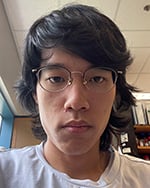 Juhyeon
Research Interest: Cancer Biology
Major Professor: Uwe Rix, PhD

Kaitlyn
The focus of the Flores Lab is investigating the role of p53 and its family members, p63 and p73, in cancer using mouse models and multiomic approaches. My research interests lie in understanding the mechanisms by which DNp63, an oncogenic isoform of p63, regulates metabolism in squamous cell carcinoma and exploiting those mechanisms via targeted drug delivery.
Major Professor: Elsa Flores, PhD
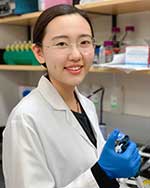 Kaizhen
Research Interests: Molecular oncology, Gene regulation
Major Professor: Florian Karreth, PhD
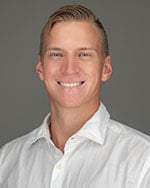 Karl
Karl
My research leverages spatial transcriptomics to characterize how the bone marrow microenvironment changes with aging and in multiple myeloma.
Major Professor: Conor Lynch, PhD
 Le Jin
The DeNicola lab focuses on understanding the mechanisms governing the regulation of tumor metabolism in vivo and seeks to investigate how both genomic alterations and the microenvironment influence cellular metabolism. My research focuses on understanding the role of cyst(e)ine availability in PDAC metastatic tropism.
Major Professor: Gina DeNicola, PhD
 Lexi
Lexi
Major Professor: Rotating
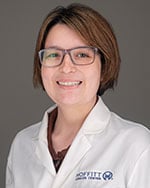 Marian
In the Brohl lab, we focus on the role of the chromosome 19 microRNA cluster (C19MC) in cancer, which is a group of 46 microRNAs spanning across 100 kb of the human genome. On the physiological level, this cluster is exclusively expressed in the placental tissue, where it acts as a regulator of trophoblast migration, as well as confers resistance to viral infection at the maternal-fetal interface. Additionally, this cluster has been hypothesized to act as an immunomodulatory unit, protecting the developing fetus from being seen as foreign by the mother’s immune system. In the oncogenic context, overexpression of this cluster has been found in some rare and difficult-to-treat pediatric cancers, as well as more common cancers, such as breast cancer, hepatocellular carcinoma, and melanoma. My research has two goals: 1) To define how overexpression of the cluster creates a tumor more fit to survive through changes to the tumor phenotype, and 2) to study the immunomodulation of T lymphocytes in the C19MC-overexpressed tumor microenvironment.
Major Professor: Andrew Brohl, MD
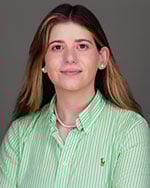 Marta
Marta
Major Professor: Rotating
 Md. Asad
Our lab studies the molecular crosstalk between metastatic cancer cells and the microenvironment in secondary organs to determine how these interactions promote progression of metastasis and resistance to therapy. My research focuses on understanding the DNA integrity maintenance functions of dormant breast cancer cells and how these functions contribute to the therapy-resistant property of these cells.
Major Professor: Thordur Oskarsson, PhD
Nicol
 My Lab is focused on combining innovative mouse modeling strategies with various biochemistry and molecular biology techniques to characterize the interaction of non-coding RNAs and oncogenic signaling in tumor initiation, progression, metastasis, and drug resistance. In particular, my project is focused on studying the role of circular RNAs in melanoma development and progression.
Major Professor: Florian Karreth, PhD
 Payal
Payal
My research focuses on the toxicities associated with CAR T cell therapy. CAR T cell administration to patients exacerbates their cytokine milieu that leads to the onset of cytokine release syndrome (CRS) and immune cell-associated neurotoxicity (ICAN). My aim is to delineate the underlying mechanism behind these CAR T cell associated toxicities and explore the role of immune components such as regulatory T cells in this process.
Major Professor: Marco Davila, MD, PhD
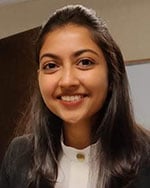 Pragya
My research focuses on the role of inflammation in altering the sensitivity to targeted therapies.
Major Professor: Andriy Marusyk, PhD
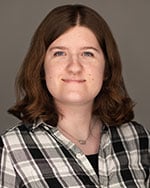 Rachael
My work in the Monteiro lab is focused on exploring the genomic, epidemiologic, and molecular basis of ovarian and breast cancer, and how that data can be applied to better understand predisposition and therapeutic response.
Major Professor: Alvaro Monteiro, PhD
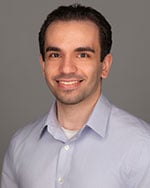 Silver
Major Professor: Rotating

Victor
My research is focused on engineering cell-based drug delivery systems to provide targeted immunotherapeutic cancer treatments that reduce off-target toxicity and harmful side effects. I also work on identifying potential therapeutic targets in macrophages for cancer immunotherapy
Major Professor: Michael Dunne, PhD and Martina Molgora, PhD
 Youngun
Major Professor: Rotating
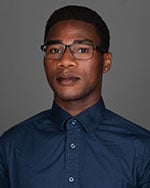 Zefanias
Major Professor: Rotating
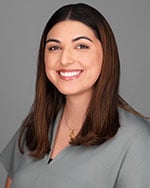 Zoey
Zoey
Major Professor: Rotating