
Cancer Immunology and Immunotherapy Major Students
Below are the Cancer Immunology and Immunotherapy students who are a part of the larger integrated PhD Program.
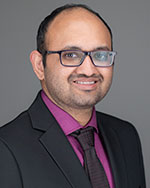
Achintyan
I'm a graduate student in the Ruffell lab where I study the molecular pathways of immune suppression in dendritic cells in the tumor microenvironment.
Major Professor: Brian Ruffell, PhD
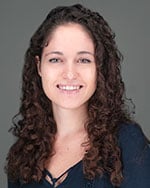
Elena
My project focuses on improving efficacy of CAR-T cell therapies through the understanding of CD28 co-stimulatory signaling pathway.
Major Professor: Daniel Abate-Daga, PhD
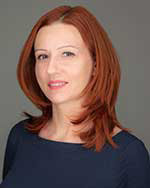 Elena
Elena
I am interested in T cell biology and the ways how metabolic and signaling pathways could be manipulated in order to improve cell-based immunotherapies against cancer. My research focuses on the role of NKG2D/DAP10 signaling in T cell memory formation and metabolic fitness.
Major Professor: Jose Alejandro Guevara, MD, PhD
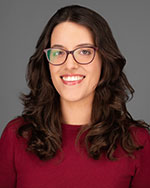 Emilia
Major Professor: Rotating
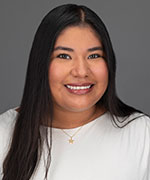
Jaqueline
My project focuses on investigating the role of soluble TREM2 (Triggering Receptor Expressed on Myeloid Cells 2) as a diagnostic, prognostic and therapeutic target in breast cancer. I am interested in outlining the impact of soluble TREM2 in the tumor microenvironment.
Major Professor: Martina Molgora, PhD
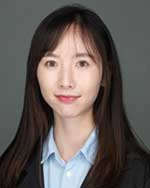 Jie
Jie
My research focus on metabolism in myeloid cells and its role in promoting breast tumor therapeutic resistance.
Major Professor: Brian Ruffell, PhD
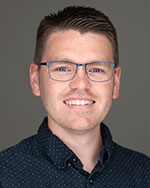 Ken
Ken
The Pilon-Thomas lab focuses on adoptive cell therapy (ACT) using tumor-infiltrating lymphocytes (TIL) for the treatment of solid tumors. My current research focuses on chemoablation of solid tumors and the potential role this plays in driving the expansion of different subtypes of TIL.
Major Professor: Shari Pilon-Thomas, PhD
 Lillie
Major Professor: Rotating
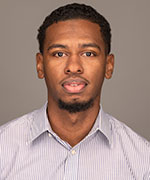
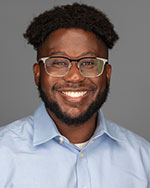
Michael
My research centers on developing biotechnological strategies to improve cellular therapies and investigating immune cell signaling.
Major Professor: Vince Luca, PhD
 Michael
Major Professor: Rotating
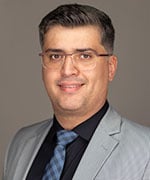
Moresh
My research focuses on delineating the intracellular signaling pathways downstream of novel immune checkpoints in both αβ and γδ CAR T cells, with a particular emphasis on KIR2DL2, which contributes to CAR T cell dysfunction. I am using CAR T cells targeting 1) PSCA for solid tumors such as prostate, bladder, ovarian, and pancreatic cancers, and 2) BCMA for multiple myeloma to understand the underlying immunobiology in experimental models. A central goal of my work is to genetically reprogram inhibitory signaling pathways, such as those mediated by KIR2DL2, into activating ones to convert immune suppression into durable anti-tumor responses.
Major Professor: Dr. Daniel Abate Daga
 Nina
Nina
My research aims to improve adoptive cell therapy using tumor-infiltrating lymphocytes (TIL) for head and neck cancer patients by using individualized radiotherapy in combination with immune-checkpoint inhibition.
Major Professor: Shari Pilon-Thomas, PhD
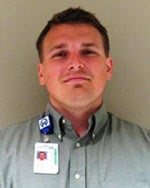 Nolan
Nolan
Recently, Follicle Stimulating Hormone Receptor (FSHR) was found to be expressed exclusively in almost all ovarian cancer subtypes. Targeting FSHR+ tumors with a newly developed Chimeric Endocrine Receptor (CER) T cell decreased tumor volume and extended life of mice in both PDX and solid tumor models. My project focuses on engineering and developing a new FSH-CER T cell that can withstand the harsh tumor microenvironment and outperform previous designs. My central hypothesis is that the TME is outcompeting FSH-CER T cells for nutrients resulting in T cell quiescence. I’m engineering CERs to outcompete cancer cells for nutrients or alternatively consume other nutrients within the tumor microenvironment.
Major Professor: Marco Davila, MD, PhD
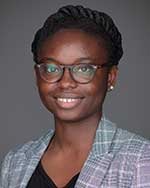 Olabisi
My project focuses on evaluating the efficacy of combining immune checkpoint inhibitors with cytotoxic agents to promote anti-tumor immunity in castration-resistant prostate cancer.
Major Professor: Brian Ruffell, PhD
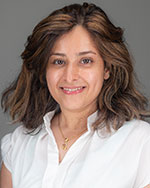 Samira
Major Professor: My research focuses on exploring new targets for CAR-T engineering and understanding critical drivers to improve T cell function in the tumor microenvironment by enhancing fitness, buffering apoptotic pressure and increasing cytotoxic function.
Major Professor: Frederick Locke, MD
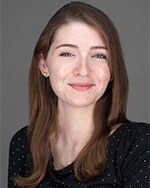 Sara
Sara
The Hwu Lab's research focuses on overcoming roadblocks for CAR T-cells in solid tumors, more specifically: the lack of tumor-antigen specificity which poses a high risk of reaction with healthy tissues ("on-target/off-tumor" toxicity); the highly immunosuppressive tumor microenvironment (TME); and cancer-mediated nutrient starvation along with production of toxic metabolites which shut down effector CAR T-cells. My research project involves creating CAR T-cell therapy for Triple Negative Breast Cancer (TNBC) that targets the co-inhibitory molecule, B7-H4. We also will be utilizing the highly immunosuppressive TME of TNBC by incorporating fusion switch receptors that will convert an inhibitory signal from the TME into a positive, activating signal for the CAR T-cell.
Major Professor: Dr. Patrick Hwu
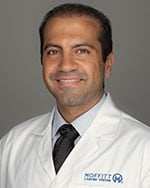 Sasan
Sasan
Our lab research focuses on the immunobiology and engineering of human T cells to develop enhanced CAR T cell therapies. My research interest is on an HLA-independent TCR (HIT) receptor, a CD3-based receptor that renders T cells more sensitive to low levels of tumor antigen compared to the conventional CARs currently in the clinic. Our goal in refining HIT T cells is to strengthen the initial therapeutic response and prevent the relapse of tumor cells that express low antigen levels.
Major Professor: Jorge Mansilla-Soto, PhD
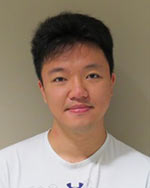
Shiun
Research Interests: Immunology
Major Professor: Paulo Rodriguez, PhD

Tiara
A facet of the Perna Lab investigates the role of the bone marrow compartment in shaping outcomes of Chimeric Antigen Receptor (CAR) T cell therapy for hematologic malignancies. My research aims to define the mechanisms underpinning the pathophysiology of CAR T cell–associated toxicities, including Cytokine Release Syndrome (CRS) and Immune Effector Cell-Associated Neurotoxicity Syndrome (ICANS), with the goal of developing safer targeted strategies to mitigate toxicity while preserving therapeutic efficacy.
Major Professor: Fabiana Perna, MD, PhD
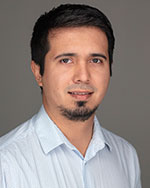
Xiomar
I am part of the Abate-Daga research group. Our team generates and studies genetically modified immune cells (CAR-T cells) that recognize and fight a variety of tumor cells. In particular, my research project focuses on gamma-delta T cells, a less common T cell subtype, that exhibit promising features for their implementation as adoptive cell therapies. We are investigating the cellular processes that distinguish gamma-delta T cells from other subtypes and modifying signaling pathways to optimize their antitumoral activity.
Major Professor: Daniel Abate-Daga, PhD
Cancer Immunology and Immunotherapy PhD