5 Questions With a Dietary and Nutrition Expert
Analyzing the role nutrition and diet can play in not only preventing cancer but also improving quality of life during and after treatment is at the core of the work being done by Sylvia Crowder, PhD, a dietary and nutrition expert in Moffitt Cancer Center’s Department of Health Outcomes and Behavior.
Here, she breaks down what you should know about food, diet and disease prevention.
Can what we eat help prevent us from developing certain types of cancer?
While no single food can prevent cancer entirely, research suggests healthy eating patterns such as diets rich fruits, vegetables, whole grains, lean protein and legumes can significantly lower the risk of cancer. Meanwhile, diets high in processed meats and added sugars have been associated with increased cancer risk. Making nutritious choices every day can play a meaningful role in prevention.
How can the foods we consume be preventative?
Food can prevent cancer in several ways. Many plant-based foods contain antioxidants and phytochemicals that help protect cells from oxidative stress and cell damage. Fiber rich foods (e.g., fruits, vegetables, legumes, nuts and seeds) can improve gut health and support digestion which may be associated with lower colorectal cancer risk. Finally, consuming a healthy diet can support a healthy weight which is one of the strongest lifestyle factors associated with reduced cancer risk.
Are there specific foods to avoid?
While many foods can be enjoyed in moderation, it is important to recognize that some have been associated with higher cancer risk. Processed meats (e.g., deli meats, hot dogs, bacon) contain compounds associated with colorectal and stomach cancer. Alcohol also increases the risk of several cancers including breast, liver and colorectal cancers. In addition, ultra-processed foods that are high in sugar, sodium and artificial additives have been associated with increased cancer risk and can contribute to weight gain, which itself is a known risk factor.
What foods support cancer prevention?
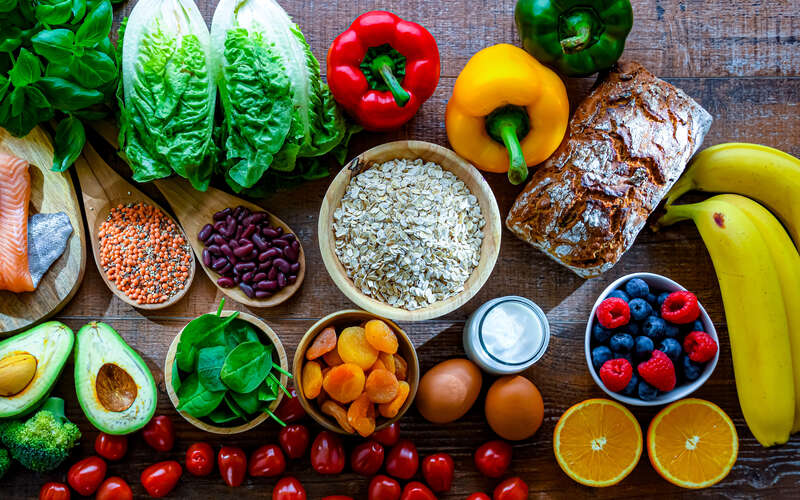
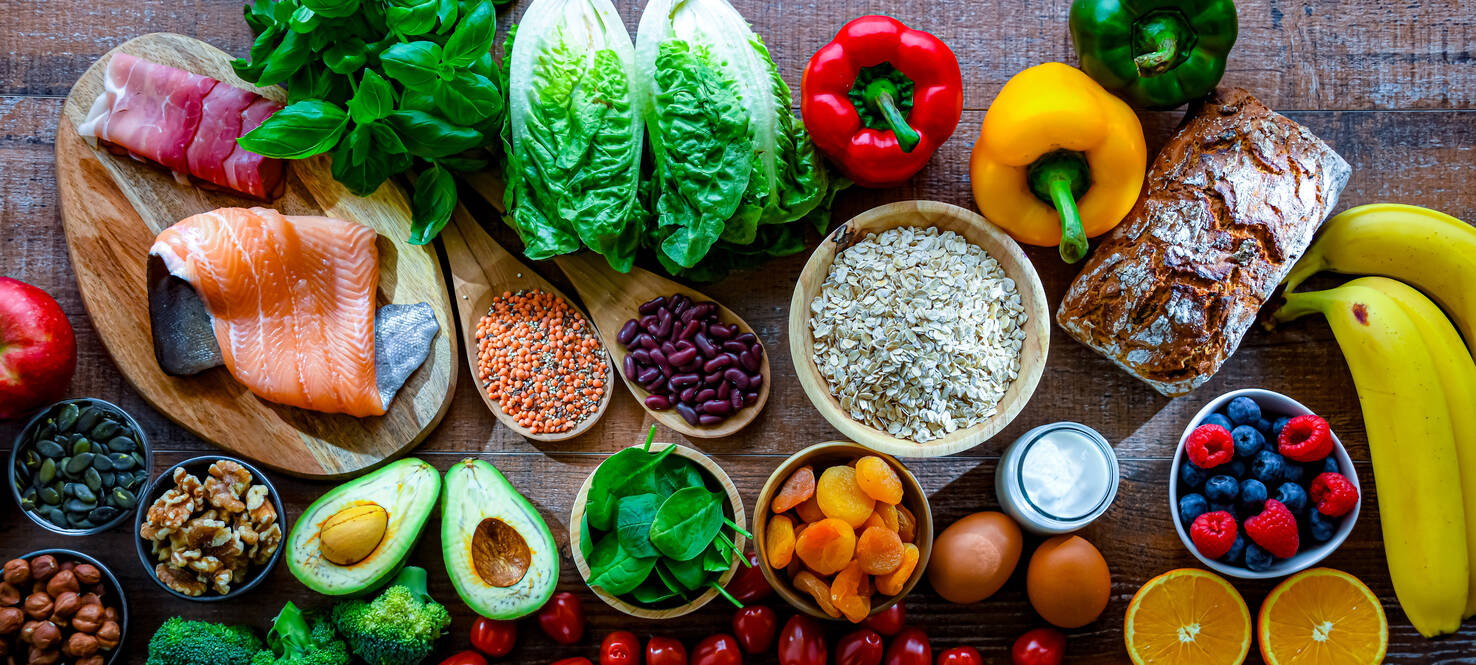
Many foods can support cancer prevention. Choose foods that are rich in fiber, antioxidants, and anti-inflammatory compounds such as berries (strawberries, blueberries), cruciferous vegetables (e.g., cauliflower, broccoli, Brussels sprouts), leafy greens (kale, spinach high in carotenoids and folate), garlic and onions, whole grains (brown rice, oats, quinoa) and fatty fish high in omega-3s (salmon). Eating the rainbow is a great visual tool to ensure you are consuming a healthy diet.
Why is it so important to be aware of what we consume?
You are what you eat! Food fuels every system in our body, and over time, our daily choices can either support cellular health or contribute to chronic disease and inflammation.