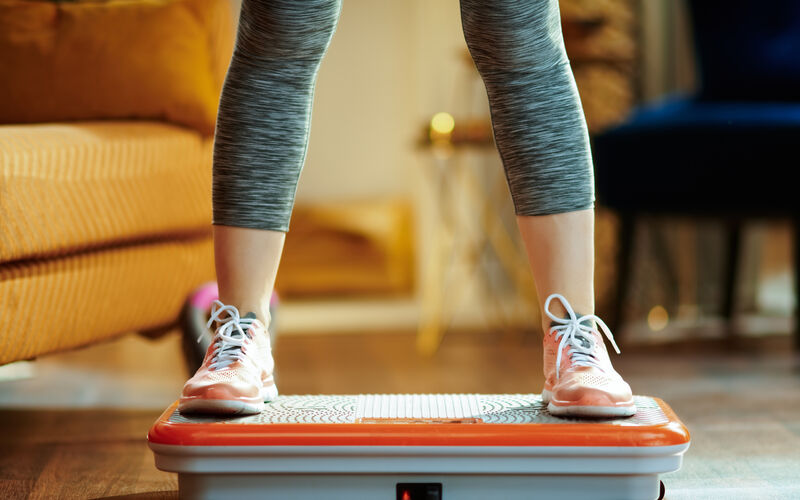
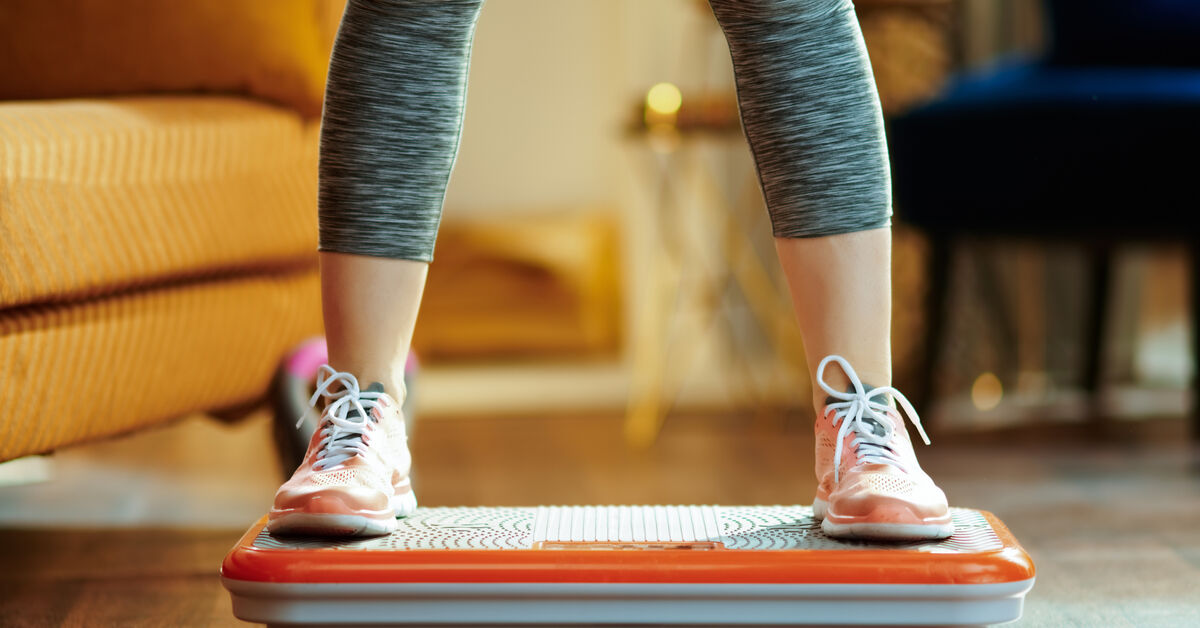
Are Vibration Plates Worth the Hype?
Vibration plates are flooding social media feeds, with influencers and advertisements promising major health perks with as little as 10 minutes a day. These compact platforms claim to build strength, improve circulation and even boost bone density. But are they backed by science?
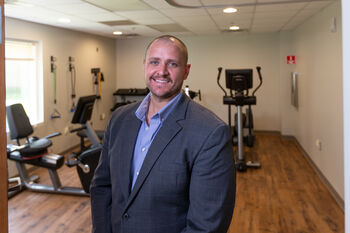
Nate Parker, PhD, studies the benefits of exercise for patients undergoing cancer therapy.
Not quite, says Nate Parker, PhD, a researcher at Moffitt Cancer Center specializing in exercise oncology. “There hasn’t been enough research involving whole-body vibration to compare it to forms of exercise we know are beneficial,” Parker said.
The idea sounds appealing. Stand or move on a vibrating platform and let the oscillations activate your muscles and blood flow. Some small studies suggest vibration plates may increase circulation and improve balance by challenging neuromuscular stability.
When supervised by qualified professionals, whole-body vibration may be therapeutic for people managing certain chronic health conditions or working to recover neuromuscular function and mobility. Some strengthening exercises, like squats and push-ups, can be more challenging and stimulating for people who are capable of performing them safely on a vibrating platform.
But Parker says stronger claims are probably more anecdotal than scientific.
“There’s not enough evidence to say that whole-body vibration can replace traditional aerobic or resistance training for improving fitness,” Parker said.
What Does Science Say?
Early studies have hinted that vibration might stimulate bone cells to maintain bone mineral density, but Parker cautions that it’s still “unclear whether whole-body vibration actually increases bone mineral density like weight-bearing exercise or resistance training.”
Improvements in blood flow, muscle temperature and flexibility may be short-lived, and direct comparisons to traditional workouts are also lacking. This leaves experts doubtful that vibration plates rival regular aerobic, strength or flexibility exercises.
Are They Safe?
The machines vary in power and settings, and the intense vibrations aren’t suitable for everyone. People with cardiovascular issues, severe osteoporosis, recent surgeries, balance problems or pregnancy should avoid them. Parker recommends that those with chronic conditions use vibration plates only under professional supervision.
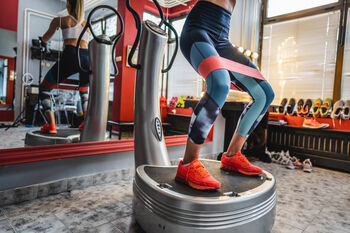
Many use vibration plates or machines like this one while exercising.
People undergoing or recovering from cancer treatment, in particular, should be cautious. Parker notes that individuals with weakened bones, bone metastases or treatment side effects may face elevated risks.
“Whole-body vibration could exacerbate side effects such as neuropathy or nausea and may be contraindicated for people with certain cancer-related conditions,” he said.
Though the short-term increase in circulation from whole-body vibration may help with lymphatic drainage, there’s no strong evidence that it’s as effective as exercise. Parker advises managing expectations: “Though they may help add some variety and extra stimulus for some balance and strength training, it’s unlikely that whole-body vibration alone can match or replace exercise training to improve aerobic and muscular fitness, balance and flexibility.”
The Verdict
Vibration plates might enhance health routines when used safely or under medical supervision for some people, but they’re far from a magic solution. Proven forms of movement, such as walking, resistance training and stretching, remain the safest, most effective ways to improve overall fitness.