
As Cancer Survival Hits New High, More Patients Are Living Longer
A new report from the American Cancer Society offers a clear look at how the country is faring in the fight against cancer, and the data show that ongoing research is driving real progress for patients. The 2026 Cancer Statistics report finds that more Americans are surviving cancer than ever before, even as more than 2.1 million new cases are expected this year.
One of the biggest takeaways is a milestone that many experts have been working toward for decades. The five-year relative survival rate for all cancers combined has reached 70%.
“That means 7 out of 10 people diagnosed with cancer today are alive five years later,” said Jasmin Jerez-Marte, MD, chief of the Cancer Survivorship Program at Moffitt Cancer Center. “It is a meaningful improvement over the early 1990s and a dramatic shift from the 1970s.”

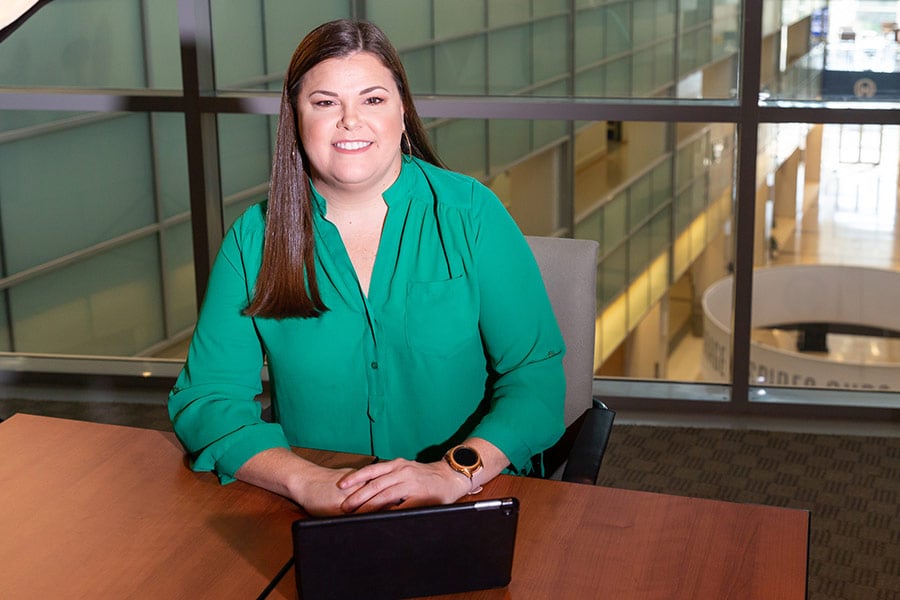
Jasmin Jerez-Marte, MD
The report shows that survival is improving even for cancers once considered among the most difficult to treat. Multiple myeloma, liver cancer, melanoma and lung cancer have all seen significant gains. These improvements are tied to advances in treatment, including targeted therapies, immunotherapy, CAR T-cell therapy and more personalized chemotherapy guided by tumor biomarkers. Moffitt researchers have played a key role in advancing several of these approaches, including early clinical trials that helped bring CAR T therapies to patients with blood cancers.
“Treatments are becoming more precise, which is allowing more people to live longer and better after a cancer diagnosis,” Jerez-Marte said. “We see the impact every day in our clinics as patients benefit from therapies that did not exist a decade ago.”
As survival improves, the number of long-term survivors continues to grow. Survivorship clinics now care for millions of people nationwide, and the report emphasizes that survivorship care should begin early in the cancer journey rather than after treatment ends. Moffitt’s survivorship program has expanded in recent years to support this growing population with coordinated care that addresses physical and psychosocial needs.
“Survivorship is not just for people who are considered cured,” Jerez-Marte said. “It is essential for every patient. We focus on optimizing health, supporting treatment tolerance and managing both cancer-related and unrelated conditions to help people live well for years to come.”
The report also highlights the importance of continued investment in cancer research and in access to care. Progress in survival has been steady for decades, but experts warn that funding cuts or reduced access to treatment could slow or reverse these gains. Institutions such as Moffitt rely on sustained research support to develop new therapies and improve outcomes.
“We have made tremendous progress, but we cannot take it for granted,” Jerez-Marte said. “Sustained investment in cancer care and research is critical to keep moving forward.”