Breast Cancer Cases Rising in Younger Women, Study Finds
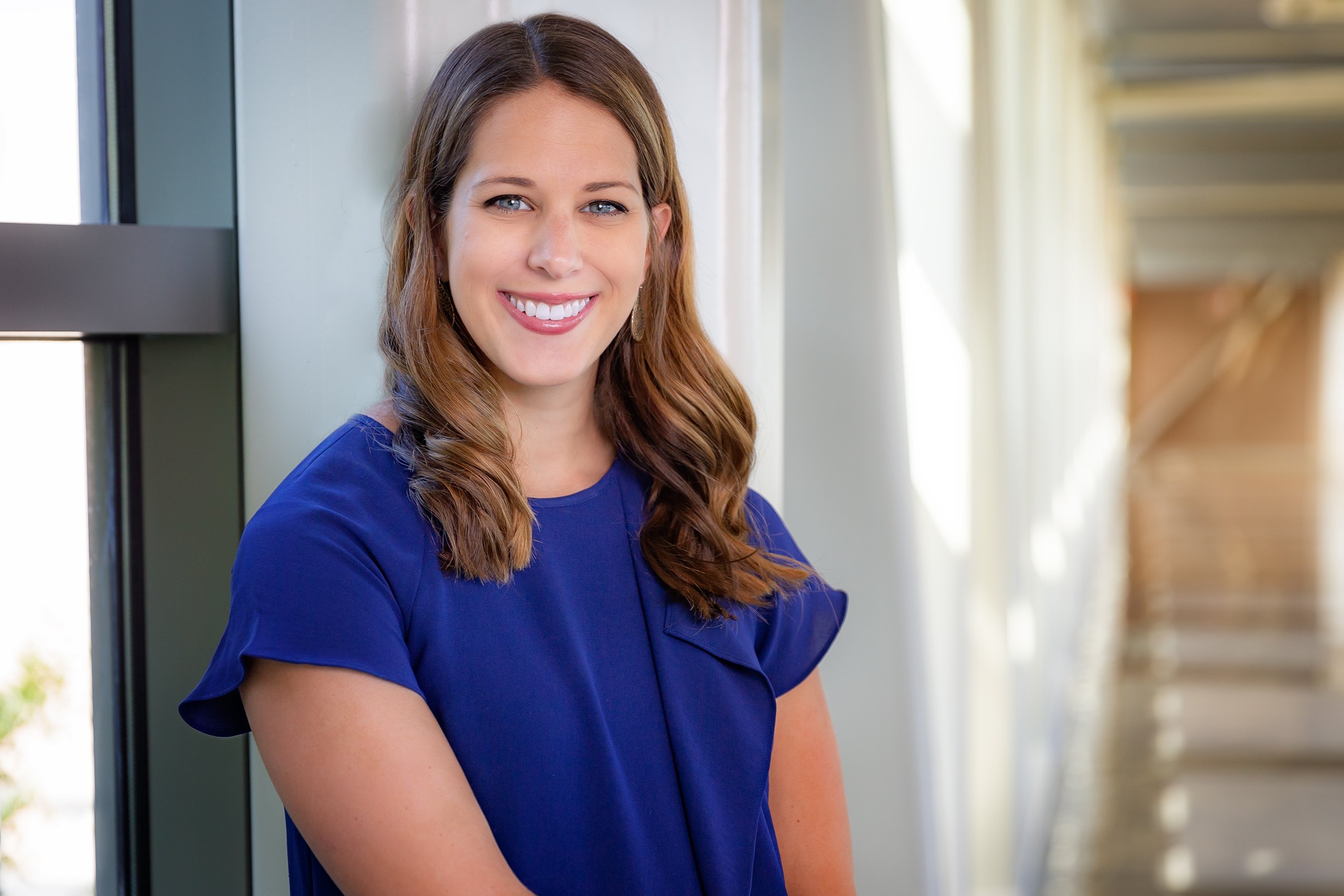
In 2023, Michelle Klug was in the best shape of her life. The 37-year-old was living in Mexico, where she worked remotely and spent her days surfing and practicing yoga. She had plans to spend the next few months in Indonesia when she found a lump on her breast.

Michelle Klug was surfing and living in Mexico when she was diagnosed with triple-negative breast cancer.
Doctors originally thought the lump wasn’t cancerous, but Klug followed her gut and had it biopsied. The results put her Indonesia trip on hold and sent her back to Florida to be with family. She had an aggressive form of cancer called triple-negative breast cancer.
“Everyone told me I was the last person they would think would get cancer,” Klug said.
Women at average risk for breast cancer are recommended to begin screening mammograms at age 40. However, a new report published by the American Cancer Society reveals breast cancer diagnoses are becoming more common in younger women like Klug.
Although breast cancer deaths have decreased 44% since the late 1980s, rates of breast cancer have increased 1% each year between 2012 and 2021. White women younger than 50 saw a steeper increase in rates — about 1.4% each year.
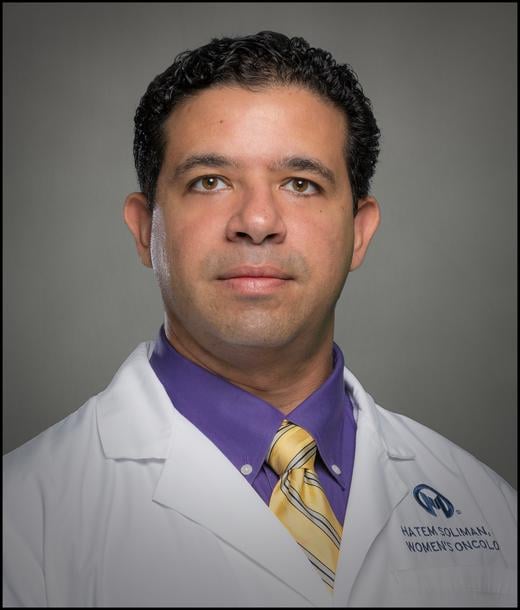
Hatem Soliman, MD
Hatem Soliman, MD, a medical oncologist in the Breast Oncology Department at Moffitt Cancer Center, says the cause of this increase in younger women getting breast cancer is unknown. “There have been theories around increased obesity, dietary exposures and alcohol use contributing to younger age at diagnosis. The causality is not proven, but this is likely a lifestyle-driven increase similar to the increase in colon cancer diagnoses in younger patients. Not having children can also increase risk, but it tends to be seen more after women go through menopause.”
Disparities
In addition to the trend of increasing breast cancer rates in younger white women, the report highlighted greater disparities for women of color.
The report found that Asian American and Pacific Islander women had the largest increase in breast cancer incidence for all age groups. Asian American and Pacific Islander women under 50 had a 2.7% increase in incidence each year, and those over 50 had a 2.5% increase. This population moved from the second lowest incidence rate in 2000 compared to other racial and ethnic groups to sharing the highest breast cancer incidence rate with white women in 2021.
The largest disparity is between Black and white women. Black women are 38% more likely to die from breast cancer even though they are 5% less likely to be diagnosed with the disease. This is partly because Black women are less likely to be diagnosed at an early stage of breast cancer, when the disease can be treated more effectively. Only 58% of Black women are diagnosed at an early stage compared with 68% of white women.
“This has been looked at extensively in the health care community and has been a stubborn problem. We are looking at it from different perspectives, that there are issues with early access to care and access to screening and follow-ups,” Soliman said. “There are also some biologic drivers for minorities in breast cancer, with those women being more prone to an adverse prognosis. There is a lot of research going on to find out why this is happening in women of color.”
‘Be an Advocate for Yourself’
After Michelle Klug’s cancer progressed from stage 1 to 3 during the first round of chemotherapy, she transferred her care to Moffitt.

Klug stayed active during her treatment, which included visiting an indoor rock climbing gym.
“My tumor was measuring in clinic near 7 centimeters from 1.5 centimeters after my first course of chemotherapy,” Klug said. “Having read the research, I knew going into surgery with no response to chemo with disease spread to the lymph nodes would be a death sentence long term. At that point, I was having conversations of if I should even do the surgery or just clear out my 401(k) and live my last years as best I can.”
Klug’s oncologist at Moffitt switched her to a different chemotherapy and immunotherapy regimen, and her surgeon closely monitored her tumor growth. After having a near complete response to the treatment, she had a double mastectomy in the summer of 2024.
Throughout her treatment, Klug continued her active lifestyle as best as she could. She jogged, hiked and went to an indoor rock-climbing gym to keep up her strength.
Now in radiation and gearing up to join a dendritic cell vaccine trial to help prevent recurrence, Klug is an advocate for staying informed and keeping a close eye on your health, especially for younger women.
“You need to be aware of your baseline and knowing what your breasts feel like normally so you can decide what is new and maybe growing faster than normal,” she said. “If you have dense breast tissue as many young women do, it will be harder to detect, and we have to be more vigilant about self-exams and insisting on routine imaging possibly earlier than what they usually recommend.”