

Eating Well During Treatment Starts With Protein
This story is part of a larger series on the top health trends and how they could impact cancer patients and their families.
For patients undergoing cancer treatment, maintaining strength and resilience can be as important as the treatment itself. One critical but often overlooked component of this journey is nutrition. Protein, in particular, plays a crucial role in healing and recovery.
 Sylvia Crowder, PhD“Protein is essential for healing and repairing tissues, maintaining muscle mass and boosting immune function,” said Sylvia Crowder, PhD, a dietary and nutrition expert in Moffitt Cancer Center’s Department of Health Outcomes and Behavior. “Treatments like chemotherapy, radiation and surgery can harm healthy tissues. Protein provides the amino acids needed to repair that damage.”
Cancer treatments can also suppress the immune system. Consuming enough protein helps support the body’s defenses against infection and promotes overall recovery.
Importantly, it also helps preserve muscle mass and physical strength, both of which are vital for mobility and quality of life during treatment.
Animal- and Plant-Based Sources
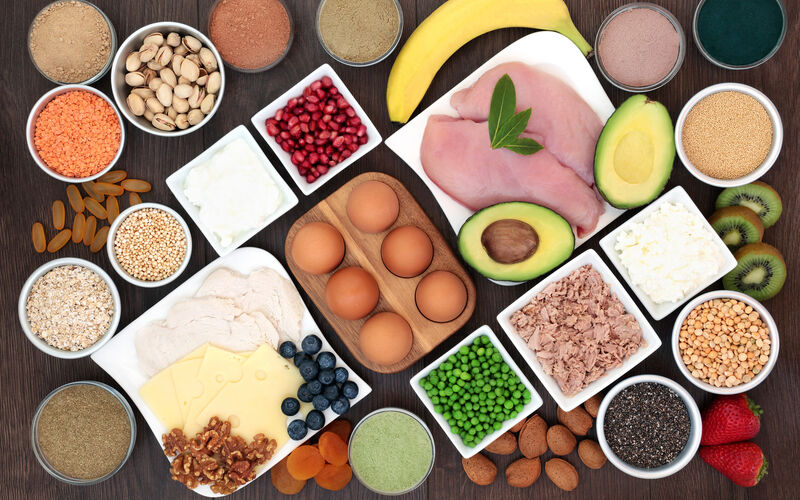
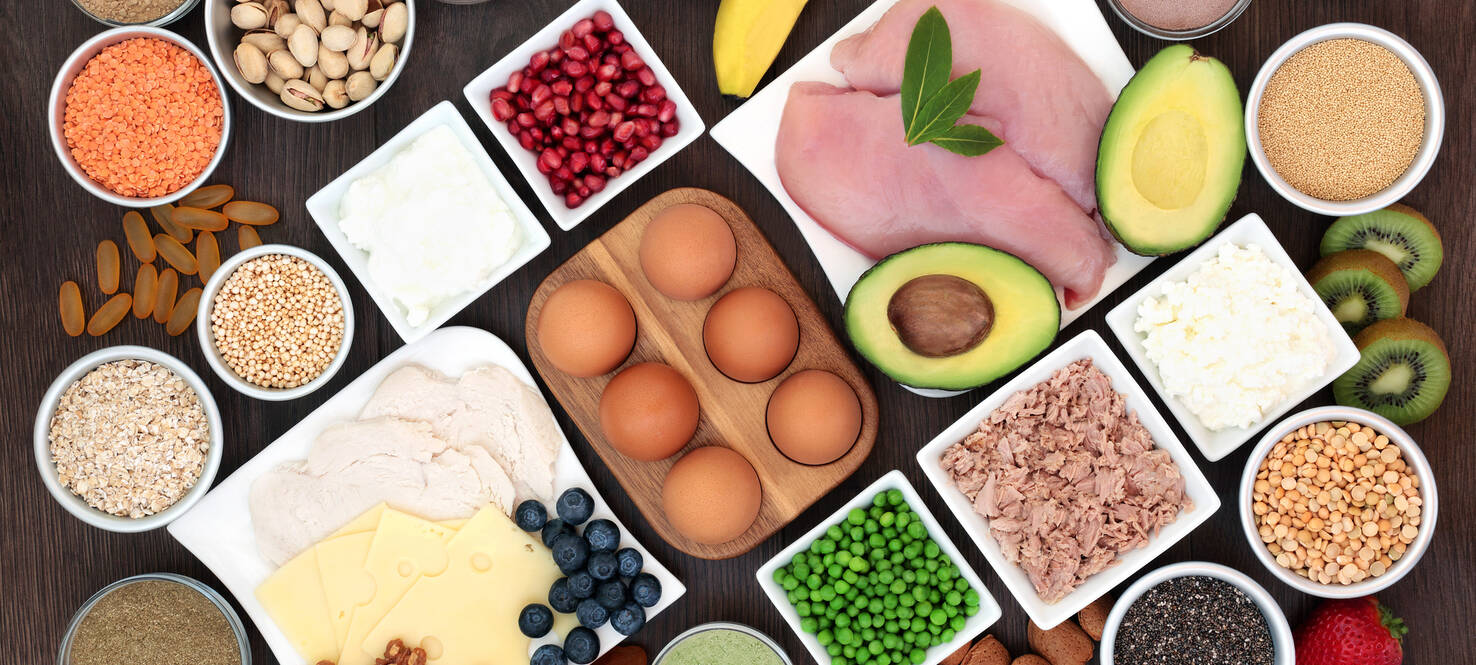
Crowder recommends a balanced mix of lean animal- and plant-based protein sources. Animal options include chicken, turkey, eggs, low-fat dairy and fish, especially fatty fish like salmon that contain omega-3 fatty acids, which may reduce inflammation.
Plant-based proteins such as legumes, soy products like tofu and tempeh, nuts, seeds and whole grains also offer high nutritional value.
However, not all proteins are created equal. “It’s best to limit or avoid processed meats like bacon, sausage and deli meats, as well as fried and heavily processed options like chicken nuggets or breaded fish sticks,” Crowder said.
When You Don’t Feel Like Eating
For patients struggling with appetite loss, nausea or fatigue, a common side effect of treatment, Crowder recommends eating smaller, more frequent meals or high-protein snacks such as nuts, yogurt or hummus.
Mild-flavored soft foods like cottage cheese or soups made with lentils or beans can be easier to tolerate. “You can boost protein by adding powdered milk, cheese or nut butter to everyday foods,” she said.
While whole food sources are ideal, protein bars and shakes can serve an important role, especially for patients with limited appetite or energy.
“These options provide a concentrated source of protein in small volumes and can be helpful when meal prep feels overwhelming or during travel between appointments,” she said.
Protein Myths
There are also common misconceptions about protein.
“One common misconception I hear is that patients who are losing weight should focus only on increasing calories, not protein,” Crowder said. “That’s not true. Both are essential. Calories help prevent weight loss, but protein is needed to preserve muscle mass. Without enough protein, the body may start breaking down muscle for energy, leading to weakness and slower recovery.”
For those following a vegetarian or low-meat lifestyle, Crowder advises being intentional about pairing plant-based proteins to ensure a complete amino acid profile.
Combining foods like beans and rice or lentils with whole grain bread helps ensure the body gets all the nutrients it needs for muscle repair, immune support and recovery.
“Meals built around legumes, whole grains, soy, nuts and seeds provide not just protein, but also fiber, vitamins and minerals,” she said.
Supporting Cancer Treatment
Emerging research continues to support the importance of protein during and after cancer treatment.
Studies have shown that higher protein intake may improve treatment tolerance, support muscle preservation and enhance recovery, especially in cancers such as head and neck, lung and colorectal.
“Many cancer patients require more protein than the general population, usually around 1.2 to 1.5 grams per kilogram of body weight per day,” Crowder said. “Every patient’s needs are unique. A personalized approach ensures they’re getting the right amount and types of protein to support their treatment and overall well-being.”
