
Expert Shares How Better Conversations Lead to Better Care
Moffitt Cancer Center’s Women in Oncology group is proud to host interpersonal communication expert John Daly, PhD, as the guest speaker at the annual Grand Rounds on Feb. 23, 2026. A distinguished professor at The University of Texas at Austin and former president of the National Communications Association, Daly has spent his career studying how people advocate for ideas, influence others and solve problems through communication. His work bridges real-world practice to guide leaders, clinicians and organizations on how small shifts in language can make a meaningful impact.
Where Communication Matters Most
Over his career, Daly has studied how communication drives understanding, collaboration and results. He points to medicine as one of the strongest examples of why effective communication matters.
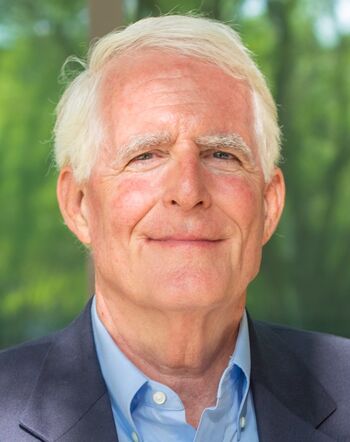
John Daly, PhD
“How you ask questions actually matters,” he said. “You cannot go through cancer by yourself. You have to have support.”
Daly has trained health care professionals on how to communicate effectively with patients and their families. He explains how small adjustments in wording can help strengthen trust between patients and their care team. For example, he encourages clinicians to say, “nice to see you” instead of “nice to meet you.”
“Every patient remembers their doctor when it comes to oncology,” he said. “You have to listen well.”
Daly stresses communication is what makes collaboration possible. “Discoveries require communication,” he said. “No one does anything by themselves nowadays.”
The Influence Toolkit
Daly studies advocacy and influence, or the practical side of persuasion. His research breaks down influence into small, repeatable behaviors. He shares three takeaways anyone can use:
1. Implementation Questions
Just telling people what to do doesn’t always work, Daly notes. Instead, he suggests prompting them to describe how they will do it.
“If you get people to talk about how they’re going to do something, they are more likely to do it.”
Even simple phrasing changes can help. For example, asking, “When will you take your medication?” instead of “Don’t forget to take it” shifts someone from intention to planning.
2. Identity Beats Intention
Language can turn action into identity. Daly cites research showing that adding “-er” to verbs makes a big difference and makes people more likely to follow through.
When people see themselves as a certain kind of person, they act to maintain that self-image.
In a health context, someone who thinks of themselves not just as a person trying to stay healthy after treatment, but as a survivor who is protecting their long-term health, is more likely to stick to screenings, follow-ups or lifestyle changes. The shift from “surviving” to “survivor” makes new habits feel natural instead of forced.
3. Nudge Toward the Right Choice
Finally, Daly notes that good communication designs make the right choice the easy one. “Nudging” is a way of communicating that gently guides people toward better choices by making the right one simple and convenient.
“It’s not like people don’t want to do things, they just forget,” he said.
That’s why reminders, defaults and systems work well. In health care, unit-dosing packaging and pill organizers do this for patients on treatment plans. The setup itself nudges people to take the right pill at the right time, no lecture required.
“You make it easy,” Daily said. “Systems that remind people or make the right choice automatically work better than any lecture.”