Get the Facts on HPV Prevention
Human papillomavirus, or HPV, is the most common sexually transmitted infection. According to the U.S. Centers for Disease Control, more than 42 million Americans are currently infected with the types of the virus known to cause disease, and about 13 million people get a new HPV infection every year.
Although most HPV infections go away within two years and do not cause cancer, some high-risk types persist for many years. These types can lead to cell changes that may progress to cancer, including cervical, vaginal, vulvar, anal, penile and head and neck cancers.
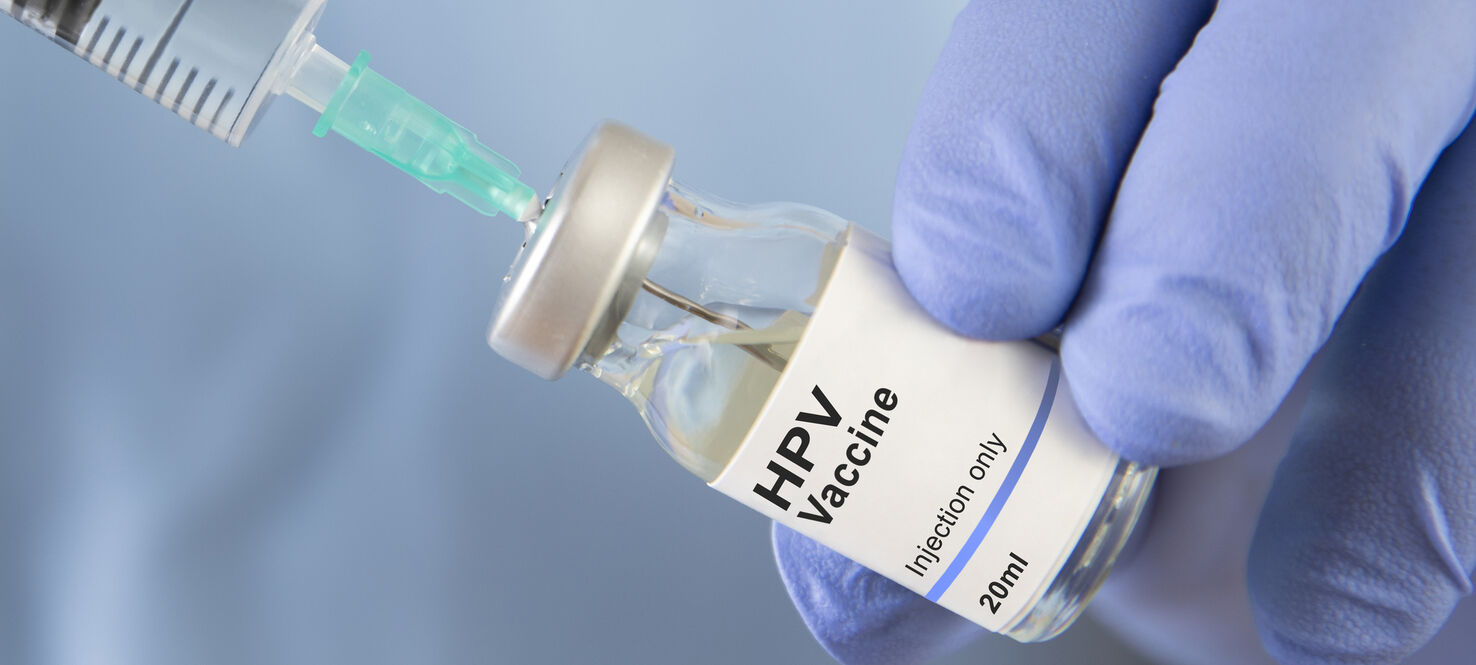
The good news is that the disease is easily preventable through vaccination.
Targeted therapies for #HPVrelated #cancers are greatly needed. The development of an E6-targeting #PROTAC degrade the #HPV viral oncogene and inhibits HPV+ tumor growth through tumor-intrinsic and immunomodulatory effects. ➡️ https://t.co/4AGTZcbRGB@MoffittNews @CellPressNews pic.twitter.com/tJvPfwdTty
— IPVS - International Papillomavirus Society (@IPVSociety) December 5, 2025
The CDC recommends two doses of HPV vaccine at ages 11–12. HPV vaccination can be started as early as age 9.
- Children who get the first dose before their 15th birthday need only two doses.
- Teens who get the first dose on or after their 15th birthday need three doses.
The HPV vaccine is most effective when given before a person is exposed to the virus.
At-Home Screening Is Available
In May, the U.S. Food and Drug Administration approved the at-home screening test Teal Wand. It is available for those aged 25 to 65 who are at an average risk of developing cervical cancer.
However, the U.S. Preventive Services Task Force recommends screening for cervical cancer every three years using a Pap smear for women 21 to 29 years old.
Women 30 to 65 years old can test for HPV every five years, or receive a cotest, which includes both an HPV screening and a Pap smear combined.

Monica Avila, MD
Monica Avila, MD, a gynecologic oncologist at Moffitt Cancer Center, says an at-home HPV screening test will hopefully lead to more people getting tested who previously were avoiding it.
“I think this self-collection hands convenience, responsibility and control back to the patient which is exciting,” Avila said. “As long as this process is streamlined, then it creates a much easier pathway.”
The approval from the FDA came after the company released a nationwide study to show its accuracy, also highlighting that the women involved in the study preferred using an at-home testing option.
In May 2024, the FDA approved self-collection samples for HPV in settings such as primary care offices, urgent care facilities, mobile clinics, and pharmacies.
Women Aren’t the Only Ones at Risk for HPV

Anna Giuliano, PhD
A recent Moffitt study looked incidence and risk factors of oral HPV infections among men in the United States, Mexico and Brazil. Researchers found how often new oral HPV infections occur, the factors influencing their acquisition and the regional variations in infection rates.
The study, led by Anna Giuliano, PhD, found the risk of acquiring oral HPV was notably higher in the U.S. compared to Brazil and Mexico. The incidence rates for HPV remained stable over time, indicating a persistent risk.
The study also identified several key factors associated with higher risk of oral HPV infection:
- Age: Men remain susceptible to acquiring new oral HPV infections throughout their lifetime.
- Education level: Men with higher education had an increased risk of infection.
- Alcohol consumption: Higher alcohol intake was linked to a greater risk.
- Sexual behavior: Risk was elevated among men with multiple female sexual partners, those who frequently performed oral sex and those with male sexual partners.
- Oral health: Losing teeth due to oral disease was also associated with a marginally increased risk.
“Our study underscores the importance of continued vigilance against oral HPV infections,” said Giuliano, founder of the Center for Immunization and Infection Research in Cancer at Moffitt. “The consistent rate of HPV acquisition across ages and the significant regional variations call for tailored vaccination strategies and greater awareness to help prevent HPV-related oropharyngeal cancers.”