‘Grey’s Anatomy’ Star Urges Prostate Cancer Screenings After His Own Diagnosis
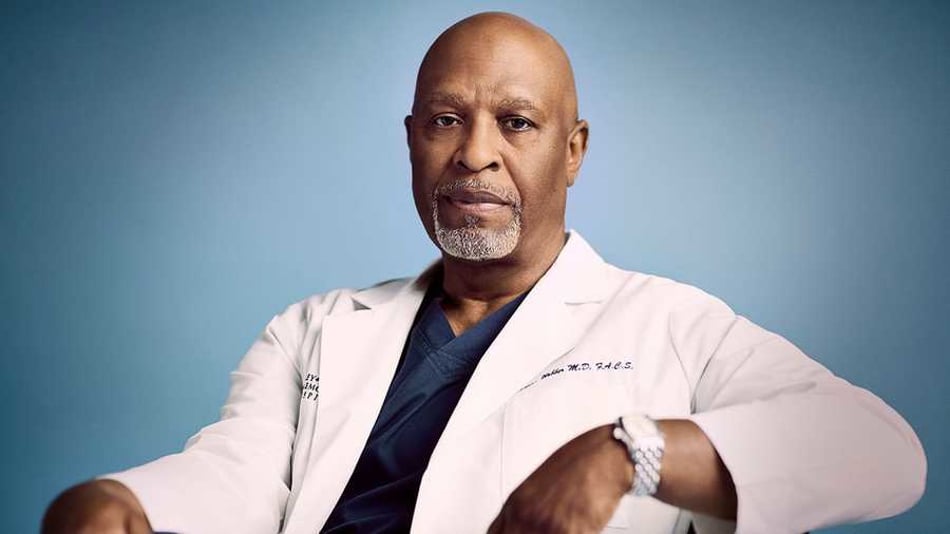
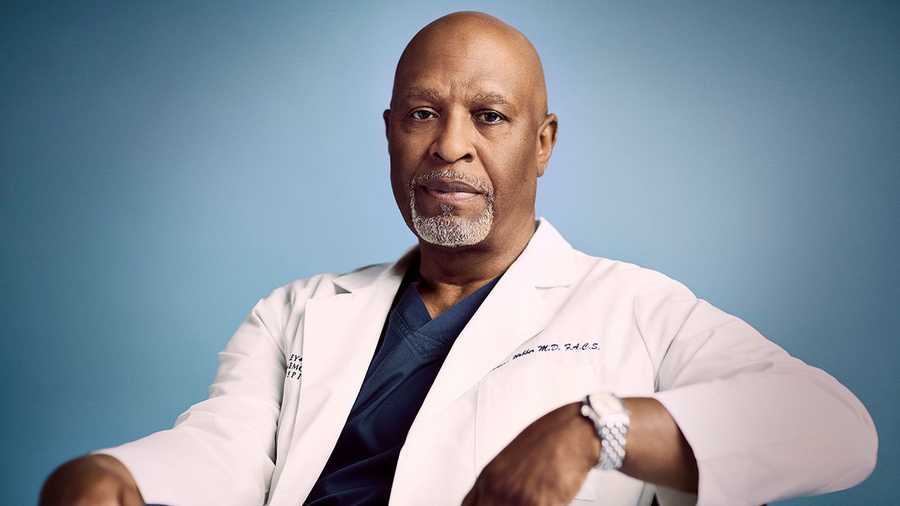
James Pickens Jr., known to millions of fans as Dr. Richard Webber on “Grey’s Anatomy,” says early detection helped catch his prostate cancer before it advanced.
In an interview with Black Health Matters, the 71-year-old actor revealed he has a family history of the disease and his yearly physical led to bloodwork that showed elevated levels. A biopsy revealed a tumor and a PET scan confirmed that the cancer had not spread. He underwent a radical prostatectomy, a surgery to remove the entire prostate.
“Today I am living proof that early detection works,” Pickens said in a recent Instagram video. “If you are Black, or prostate cancer runs in your family, talk to your doctor about getting screened at age 40.”
Higher Risk for Black Men
Black men in the United States are at the highest risk of being diagnosed with and dying from prostate cancer. The lifetime risk of Black men dying from prostate cancer is 3.8%, which is two to four times higher than other racial groups.

Kosj Yamoah, MD, PhD
“One out of 8 men will get prostate cancer, but for Black men, it’s 1 in 6 or even 1 in 4,” said Kosj Yamoah, MD, PhD, chair of the Radiation Oncology Department at Moffitt Cancer Center. “Black men also get the disease at an earlier age. The average age of disease onset is 68, but Black men are diagnosed up to a decade younger.”
Why Early Screenings Matter
To address this disparity, the Prostate Cancer Foundation encourages prostate-specific antigen (PSA) testing for Black men 40 to 45 years old, followed by regular screening until age 70.
“Black men with an even higher risk of prostate cancer due to a strong family history and/or known carriers of high risk genetic variants should consider initiating PSA screenings as early as 40,” Yamoah explained.
Pickens said the timing of his announcement is fitting, as his character on “Grey’s Anatomy” recently revealed a cancer diagnosis on the show. He hopes sharing his experience will reduce stigma and encourage conversations about screening.