HEPZATO Kit Continues To Improve Uveal Melanoma Outcomes After FDA Approval
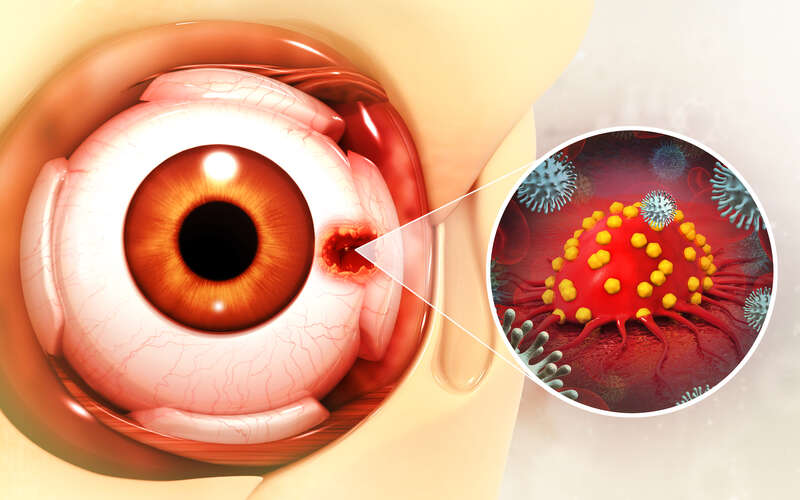
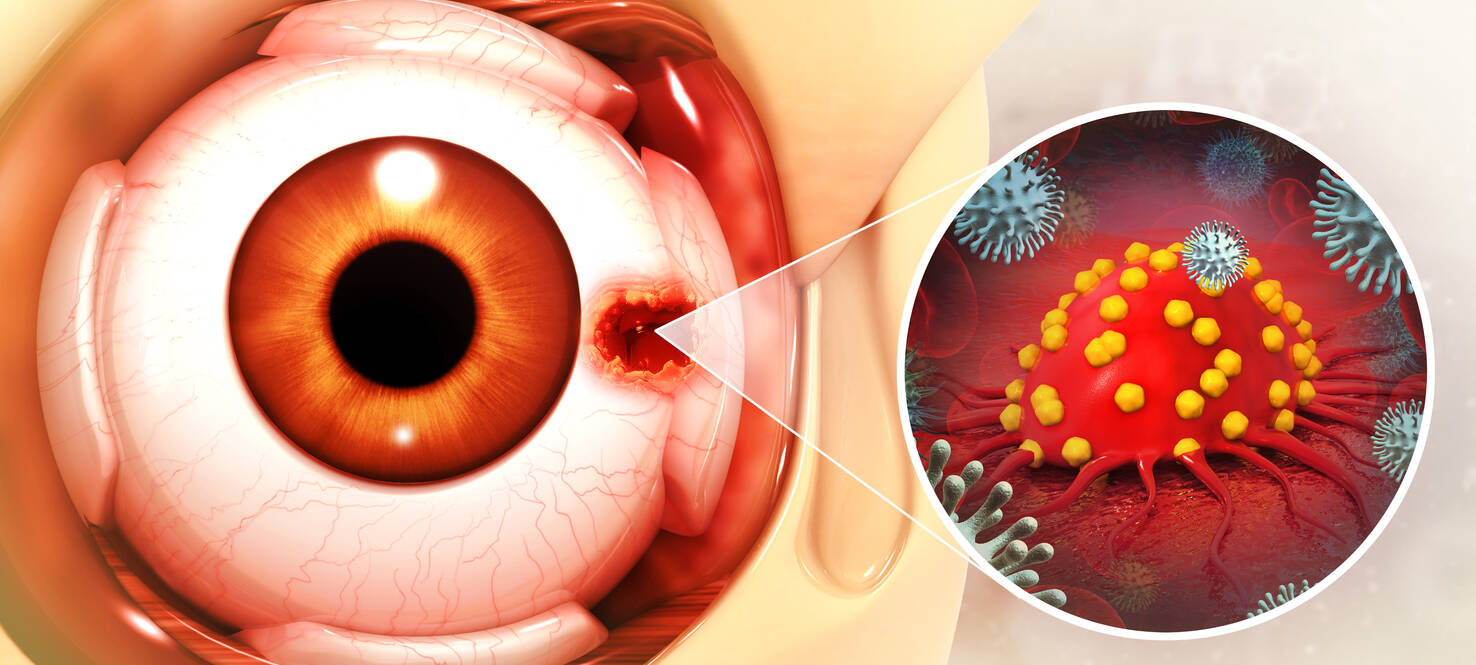
Uveal melanoma, a type of cancer that affects the middle layer of the eye, accounts for 3% to 5% of all melanoma cases. The disease has a high likelihood of metastasizing to the liver.
A multi-institutional study led by Moffitt Cancer Center, called the FOCUS trial, found that percutaneous hepatic perfusion (PHP) using the HEPZATO Kit could help patients with this rare eye cancer that has spread to the liver. HEPZATO uses a hepatic delivery system to inject the chemotherapy drug melphalan into the liver.
Following her oral presentation at #SSO2026, Lacey Mead, DO, discusses real-world outcomes of percutaneous hepatic perfusion with melphalan for metastatic uveal melanoma to the liver under the guidance of Jonathan Zager, MD (@jzager99). Results showed a 44% response rate, 83%… pic.twitter.com/4NrWn1zy1G
— Moffitt Cancer Center (@MoffittNews) March 5, 2026
Based on the phase 3 trial results, the treatment was approved by the U.S. Food and Drug Administration to treat ocular melanoma in August 2023.
Overall, researchers found that patients treated with the HEPZATO Kit had significantly better outcomes than those receiving alternative care.
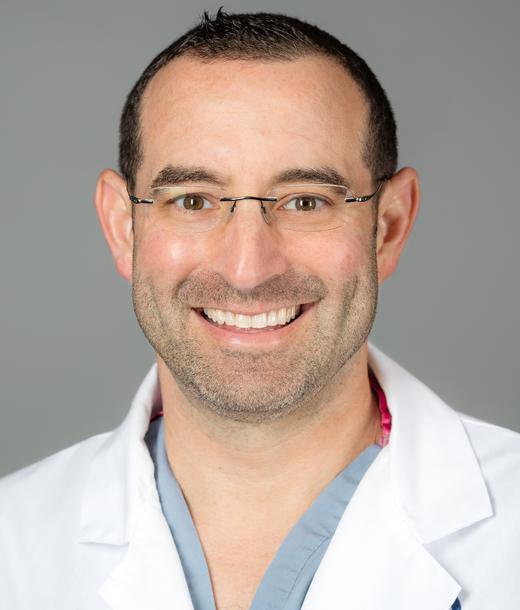
Jonathan Zager, MD
Under the leadership of Jonathan Zager, MD, a surgical oncologist in the Cutaneous Oncology Department at Moffitt, a new study was conducted to evaluate post-FDA approval results with this treatment for metastatic uveal melanoma.
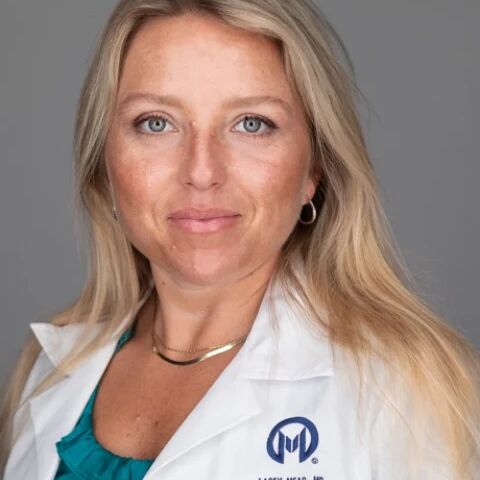
Researchers, including Lacey Mead, DO, a surgical oncology research fellow at Moffitt, evaluated the outcomes of the first 22 patients treated at Moffitt with a total of 91 percutaneous hepatic perfusions from FDA approval in August 2023 to January 2026.
The study found that patients had an overall response rate of 44% and a disease control rate of 83%. Patients also had an intrahepatic (occurring in the liver) progression-free survival of 12 months.
“We continue to evolve the multidisciplinary and multimodality treatment for this disease,” Mead said. “We are now treating patients with localized extrahepatic disease while they are getting PHPs, allowing patients to continue completing their PHPs, which was not permitted in the FOCUS trial when a patient progressed outside the liver.”
The median overall survival rate was not reached, as 21 of 22 patients are still alive and being treated.