Pinellas Partners in 2025 Awarded Research Grants To:
Tiffany Carson, PhD, co-leader of the Health Outcomes and Behavior Program
Keiran Smalley, PhD, director of the Donald A. Adam Melanoma and Skin Cancer Center of Excellence

At Moffitt Cancer Center, we understand that advancements in cancer research and care require more than inspiration; they need sustained commitment, thoughtful investment and the courage to support innovation before outcomes are guaranteed.
Philanthropy makes this possible, bridging today’s challenges with tomorrow’s breakthroughs. And our generous donors have been supporting us every step of the way.
In the sections to follow, you’ll see how philanthropic support has impacted Moffitt at every level. You’ll read about Ava Lester, a longtime operating room nurse at Moffitt who has been giving for 14 years, and Nilesh Mehta, a Moffitt patient who gave $1.125 million to bladder cancer research. You’ll learn how visionaries like Mark and Cindy Pentecost, the Chenevert Family and many others are helping us to pursue bold ideas, expand our capabilities, and strengthen our ability to offer hope when it’s needed most.
These stories represent more than generosity, they represent partnership. Because of your support, we can move from intention to action, turning promising concepts into lifesaving therapies and continuing our mission to contribute to the prevention and cure of cancer.
On behalf of Moffitt Cancer Center and the patients and families we serve, thank you for your commitment, generosity and being our partners in discovery.

Patrick Hwu, MD
President and CEO
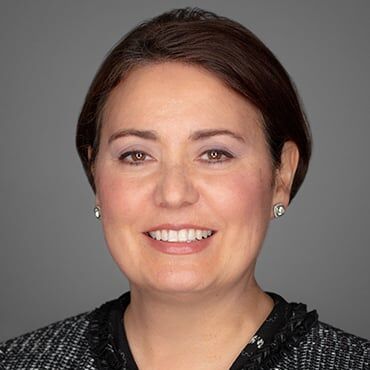
Maria Muller
EVP, Foundation President
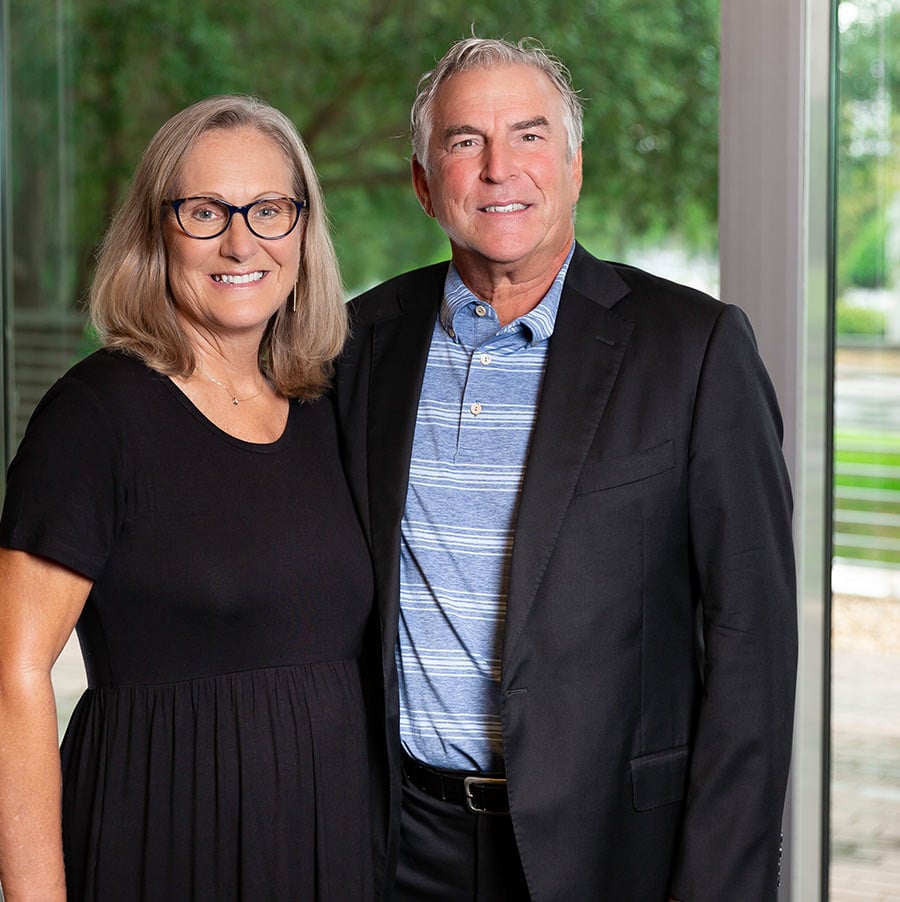
Mark Pentecost went from being a high school teacher and Cindy went from being a stay-at- home mom to becoming billionaire entrepreneurs, nationally recognized philanthropists and world- renowned thought leaders. Early in life, they learned to dream big and have since dedicated their lives to teaching others to do the same. Most recently Mark became a national best- selling author with his book Life of Your Dreams and he gives 100% of the book’s proceeds to battling cancer.
The Pentecosts are just as committed to bringing another dream to reality – finding a cure for a blood cancer called multiple myeloma.
In October 2025 the Pentecost family announced a $10 million gift to Moffitt Cancer Center, where some of the nation’s leading multiple myeloma experts are achieving breakthroughs in the understanding and treatment of this disease. “The leaps I’ve seen, from my first diagnosis to the treatment options available now, are nothing short of extraordinary,” Mark Pentecost said.
“Every step forward at Moffitt is the result of relentless research and innovation. That’s why we give, and why we believe that, together, we’ll see a cure.”
Previous gifts from the Pentecost Foundation created the Pentecost Family Myeloma Research Center at Moffitt. Among the center’s accomplishments: Developing the Ex Vivo Mathematical Myeloma Advisor (EMMA), an innovative platform powered by artificial intelligence and advanced engineering. The tool allows Moffitt to test and predict how a patient’s specific cancer will respond to dozens of therapies. In many cases, this allows Moffitt physicians to create personalized treatment plans in days rather than months.
For Mark Pentecost, this mission is personal. He has been treated at Moffitt for multiple myeloma and is grateful for the care he received. This gift is designed to help other patients around the world by advancing the scientific understanding of the disease and developing lifesaving treatments. “Moffitt has changed the definition of what’s possible in myeloma care,” he said.
 Igniting Bladder Cancer Research
Since 2023, the Chenevert family has been instrumental in providing support for groundbreaking bladder cancer research at Moffitt Cancer Center.
Their generosity helped launch the development of a urine based circulating tumor DNA (utDNA) test, a simple yet revolutionary “liquid biopsy” capable of detecting microscopic traces of bladder cancer. Led by Roger Li, MD, this innovation provides a surveillance tool that is faster, more accurate and far less invasive than the repeated cystoscopies patients had come to expect.
Today, the family is once again helping Moffitt take a bold step forward with a new gift of $1.75 million, supported by the Chenevert Family Foundation and a personal contribution from Louis and Debra Chenevert. Their support is fueling AI IGNITE, a first-of-its-kind initiative to build an artificial intelligence-powered platform that can guide treatment based on real-time, patient-specific data.
“We support Moffitt because their teams’ pair world-class science with a commitment to reimagining what cancer care can be. Watching our first gift help advance a non-invasive test that spares patients from painful procedures only strengthened that belief. With our latest gift, we hope to accelerate a future where every patient’s treatment is guided by real-time, personalized insights — beginning in bladder cancer and ultimately transforming care across all of oncology,” Louis Chenevert said.
By integrating genomic data from urine and tissue samples with imaging and clinical records, AI IGNITE has the potential to predict how a tumor may change, when recurrence is likely, and which treatment approach will be most effective at any given moment. This dynamic, multimodal system — led by Li and internationally recognized AI expert Issam El Naqa, PhD — represents the next generation of personalized oncology. What began as a commitment to improve bladder cancer detection has grown into a partnership reshaping the future of cancer care. The Cheneverts’ generosity is now powering research that will lead to a future where treatment is not only personalized, but predictive, proactive, and precise.
 Engineering the Future of Cancer Care
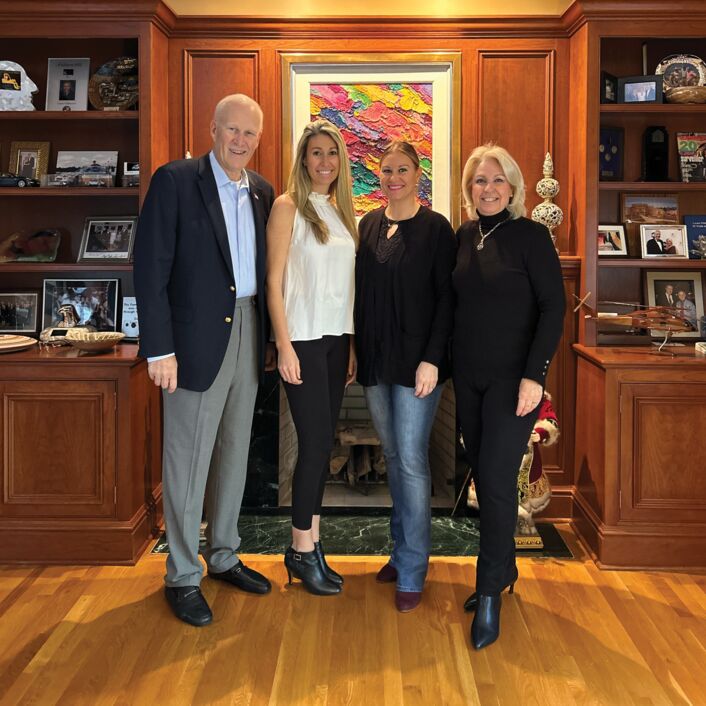
Bob Rothman and his wife Peggy are among Moffitt Cancer Center’s most generous supporters. Bob has served on multiple boards at Moffitt. He was chair of the Institute Board of Directors from 2008-2016 and currently serves on the Board of Advisors and Emeritus Council. Their latest gift of $5 million to Moffitt’s Bioengineering Department is a significant investment in the future of cancer research and treatment—accelerating a revolution in how cancer is understood, visualized and ultimately defeated.
The Bioengineering Department launched in 2023 and was the first of its kind at a National Cancer Institute- designated comprehensive cancer center. The department harnesses engineering principles to tackle cancer in innovative ways.
One of the department’s earliest milestones was the launch of the Nikon Center of Excellence, the first center of its kind located within any cancer center in the world. Now a hub of scientific exploration, the center uses high‑speed, super‑resolution imaging to reveal cancer’s hidden patterns and vulnerabilities, empowering researchers with insights that can change patient outcomes.
Because of the Rothmans’ philanthropy, the Bioengineering program is expanding its reach in remarkable ways. Teams are building patient avatars, creating 3D‑printed cancer models and developing new platforms to treat cancer at its weakest point—innovations that are particularly powerful in the critical window immediately after surgery, when minimal residual disease remains. By designing systems that enable faster, scaled testing of disease-mimicking models, researchers are accelerating breakthroughs that bring new hope to patients.
Some 40 years ago, Nilesh Mehta arrived in the United States from India with only $6 in his pocket and a small bag filled with hopes and dreams. From that humble start, he went on to gain invaluable work experience, start a family and build a global medical supplies company that has thrived beyond his wildest imagination.
Yet for Mehta, the United States is not only a place of boundless opportunity but of lasting gratitude – thanks in no small part to Moffitt Cancer Center.
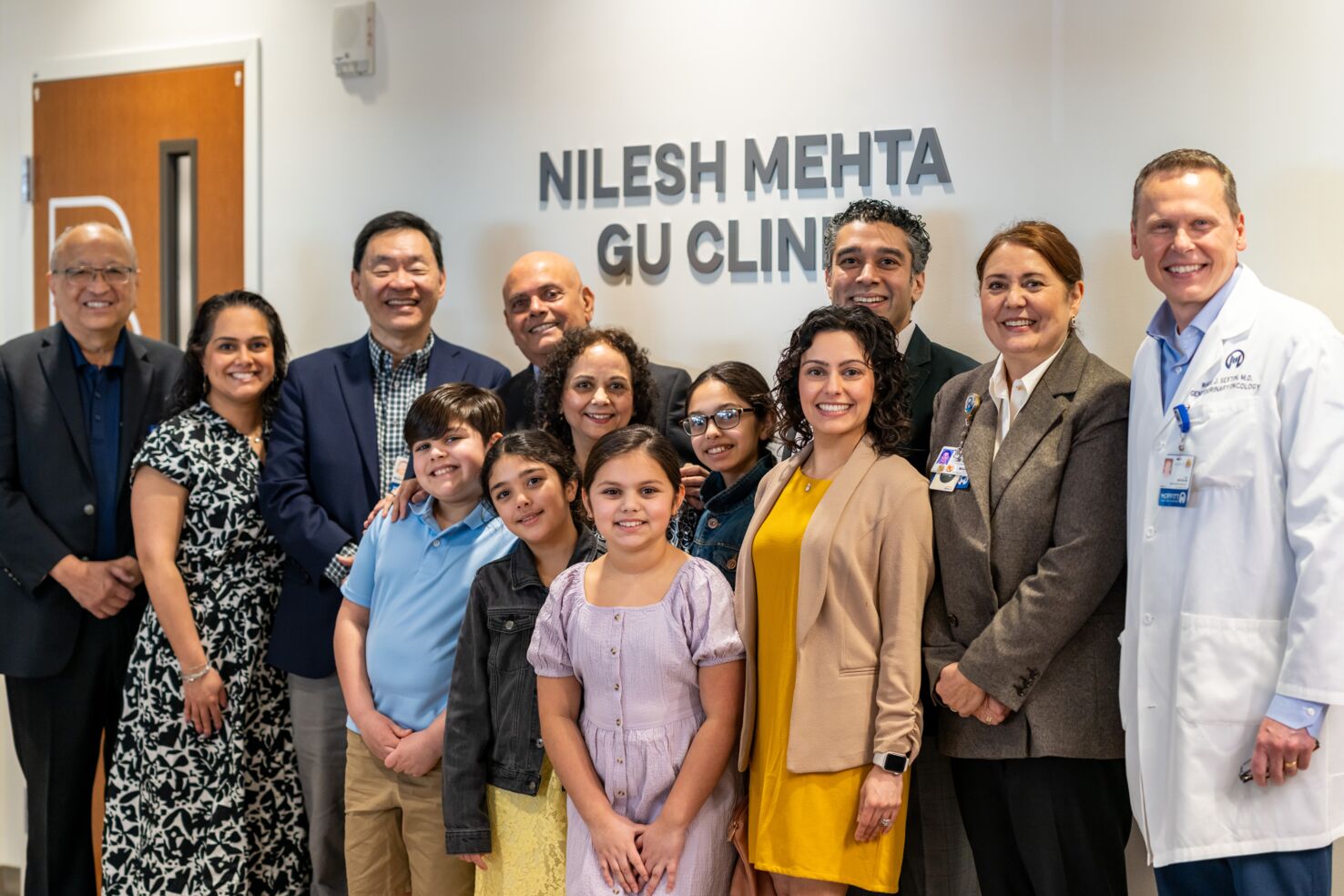
As a gesture of appreciation for the successful treatment of his bladder cancer, the entrepreneur and philanthropist has made a $1.125 million gift to support the Nilesh Mehta Bladder Cancer Research Fund. And, in turn, the Center honored him with the official naming of the Nilesh Mehta Genitourinary Clinic.
In November 2022, the rewarding life he had made with his Premier Medical Corporation – based in India and distributing primarily to low and middle income countries – came to a screeching halt. He noticed two drops of blood in his urine one day at his office in northern New Jersey. Mehta initially ignored it, not even certain if the blood was his own. But soon after, he saw more and rushed to make an appointment with his urologist.
A CT scan soon confirmed his fears: Mehta had bladder cancer, and his doctor offered to arrange for surgery at Memorial Sloan-Kettering Cancer Center in New York City two hours away. “It was such a shock, because nobody in my family ever had cancer,” he said.
There are 85,000-plus people in the United States. who get bladder cancer annually, and I thought, ‘There has to be something done to educate people about that. So that was my motivation. I said, ‘Let’s start something on this front. I’m at the age where I don’t need all the money I have. So why not start something to advance the research and care of bladder cancer?”Nilesh Mehta
The prospect of fighting traffic into Manhattan prompted Mehta to seek treatment in Florida, where he and his wife vacation near Orlando each winter. And within weeks, thanks to the recommendation of his son-in-law, a Chicago anesthesiologist, he was meeting with Wade Sexton, MD, Moffitt’s chief medical officer and senior member of the center’s Genitourinary Oncology Program.
Among the things Mehta learned: unlike breast and prostate cancer, where substantial money is spent on research, far less is devoted to bladder cancer. That weighed on him.
Within three weeks of his first consultation in December, 2022, Mehta underwent surgery. The couple had rented a house near Moffitt in case of a long stay, but he was discharged in three days and back home in Windemere in four. “It was as if nothing had happened, except that I wear a pouch now,” he said.
Mehta, working with the Moffitt Cancer Center Foundation, structured his gift as a cash donation and planned gift. He was deeply touched by the naming of the clinic.
“That was such a nice gesture from Moffitt,” he said. ”And I want other people to know that, hey, this is what charity can do. I truly experienced the joy of giving.”
In his adopted land of karma, that is good karma, indeed.
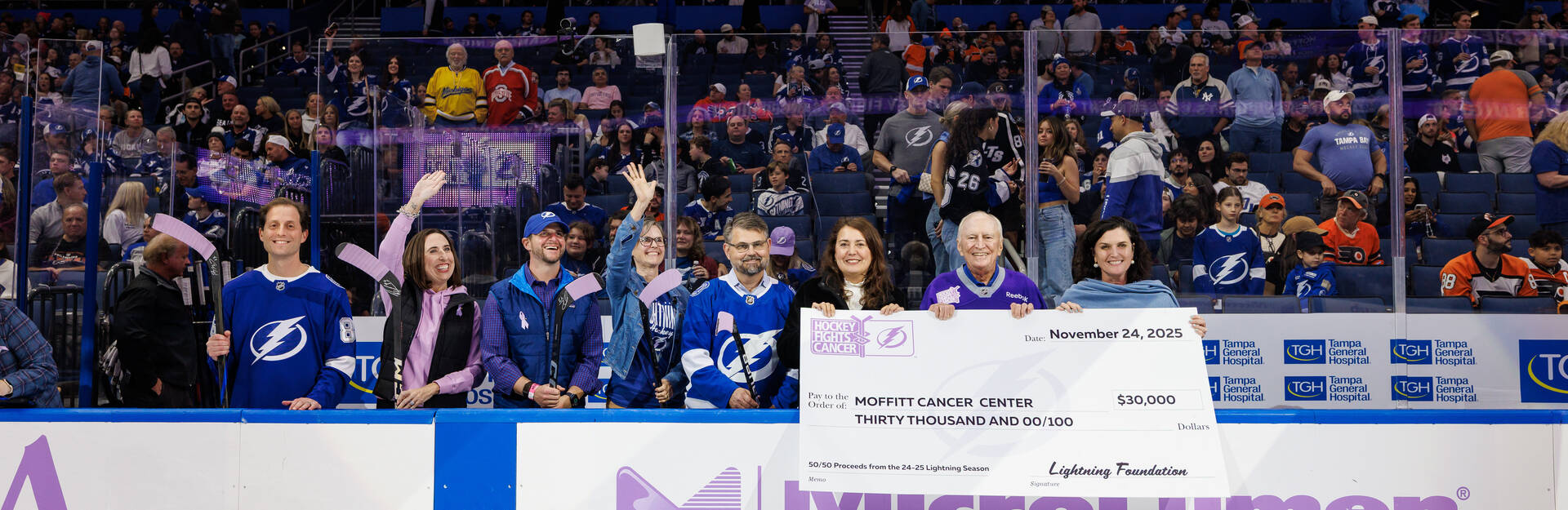
The Tampa Bay Lightning is well-known for winning Stanley Cups and strongly supporting the Tampa Bay community. In 2025 the team partnered directly with fans to support research at Moffitt Cancer Center.
The Lightning generously offered $30,000 in matching contributions for donors who contributed in a special campaign to Moffitt. The offer was a triple match – allowing Moffitt supporters to triple their impact.
“I am grateful for the Lightning to triple this donation. It is certainly an incentive to contribute knowing my dollars will go further,” one donor said in an email along with her contribution.
“Thank you, Tampa Bay Lightning, for adding power to the punch of the fight!” said another.
The funds in this campaign went to the Moffitt Fund, which supports high-priority research projects identified by Moffitt’s top leaders.
This is just one example of how the Bolts are working to fight cancer in our community. The team has also supported Moffitt with Hockey Fights Cancer Night, the 50/50 raffle with funds collected at games throughout the season, the Moffitt Skate-a-Thon, the Tampa Bay Lightning Community Heroes program and more.
The Tampa Bay Buccaneers and Moffitt Cancer Center are proud partners – and this means the world to Tiana Porsch.

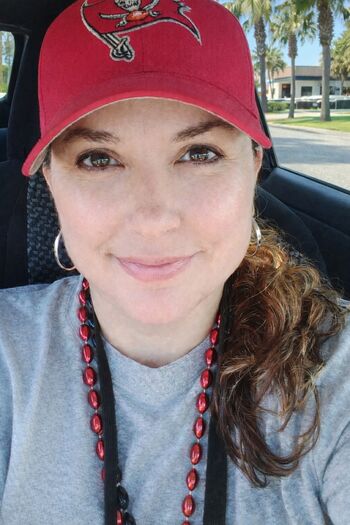 Tiana Porsch works in security at Raymond James Stadium, home of the Bucs. She has been present for some of the team’s most thrilling moments, including the Super Bowl LV win.
But nothing quite stirs her like seeing Moffitt promotions which periodically splash across screens inside the stadium, promoting messages about cancer prevention and care. It hits home because Porsch is a two-time breast cancer survivor who continues to receive treatment at Moffitt.
“Every time I see that, it makes me feel that I’m a part of something really important” said Tiana, who works for S.A.F.E. Management. “I’m proud that two of the biggest organizations in Tampa Bay are coming together for a cause that’s saving lives. How much bigger can you get than that?”
It’s not surprising that Tiana feels so connected to both the Bucs and Moffitt. Both organizations have strong roots in the Tampa Bay region and both care deeply about the health of our community. That makes them natural allies in the fight against cancer.
In 2025, the Bucs generously contributed $25,000 in matching contributions to boost the giving power of those who made their own donations in a special Moffitt fundraising campaign. The funds provided a triple match, allowing supporters to make three times the impact.
The Bucs also support cancer research and patient services at Moffitt and other worthy organizations through the NFL’s Crucial Catch game. And the team provides coveted Bucs memorabilia in a monthly online auction benefiting Moffitt.
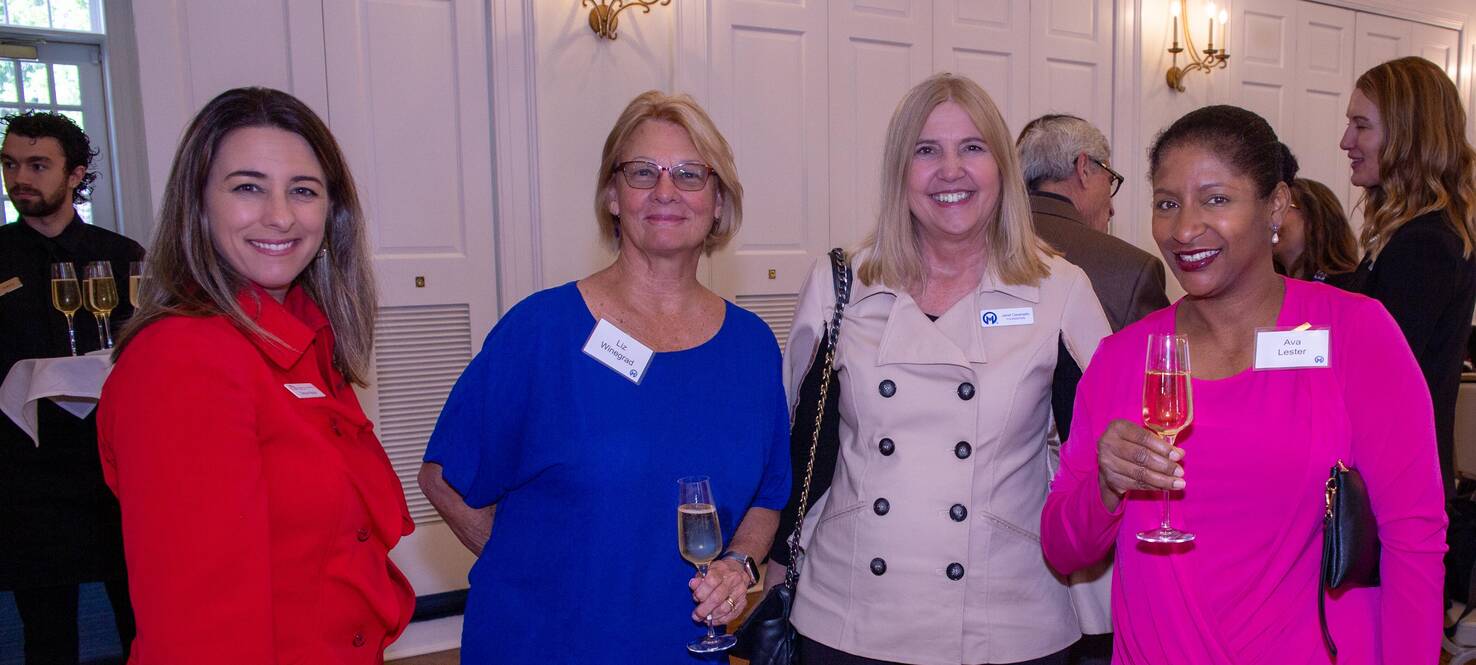
Ava Lester’s story with Moffitt Cancer Center began long before she became a nurse. As a college student, she worked as a patient care assistant at Moffitt and saw firsthand how compassionate care flowed through every part of the organization. When she returned to Tampa after serving 14 years in the U.S. Army she knew exactly where she wanted to be.
Now, Lester has been at Moffitt for 15 years as an operating room nurse and has supported Moffitt beyond the bedside through her giving.
Early in her career, Lester began giving monthly to Moffitt. A few years into her giving journey, she learned about the Moffitt Merit Society, a women-led philanthropic society that supports researchers and physicians by providing funding for cancer research at Moffitt. Lester found the group to be a perfect fit, allowing her to give back while learning about the innovative work happening across the institution. She has been a member of the Merit Society for 10 years and is also an active supporter of Miles for Moffitt and other Moffitt initiatives.“I’ve been given a lot of opportunities, so I wanted to give back. It’s my way of showing my gratitude and appreciation.”
When asked why employees should consider giving, Lester said,
“It’s important to give back because it’s rewarding to know you’re helping others — especially those who may not be able to afford certain treatments. Giving back supports patients, and it supports the research that shapes their care.”
Lester’s commitment to Moffitt shines through her talents and generosity, demonstrating that supporting Moffitt is not just part of her job, but who she is.

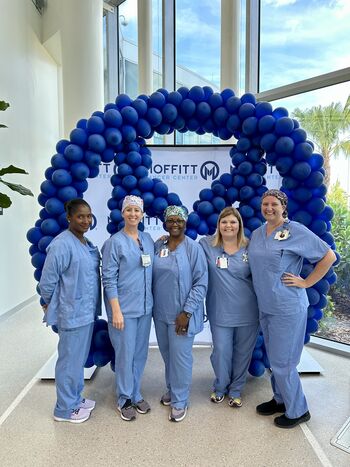
We are deeply grateful to the 21,375 generous individuals and organizations who supported Moffitt Cancer Center in 2025. All 32,475 gifts, both large and small, are contributing to the prevention and cure of cancer.

| Areas of greatest support in 2025 | |
| Research | $38,550,000 |
| Patient Care | $1,120,000 |
| Unrestricted | $6,210,000 |
| Restricted Use | $18,320,000 |
| Endowment | $60,000 |
| Grand Total | $64,260,000 |
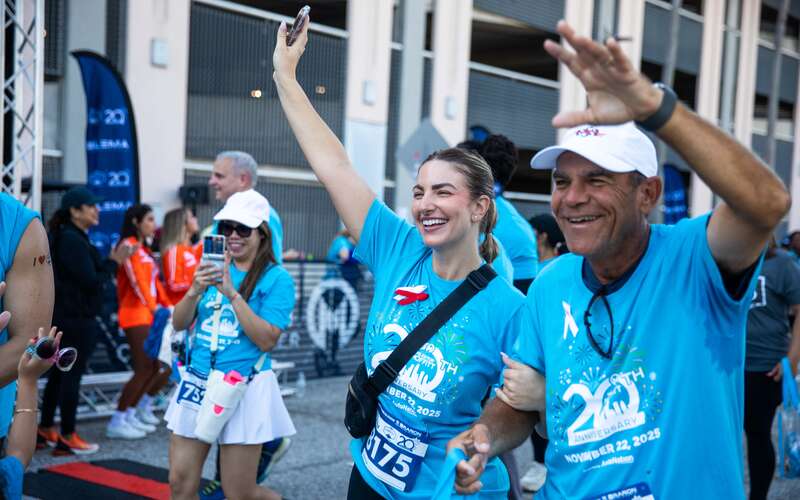
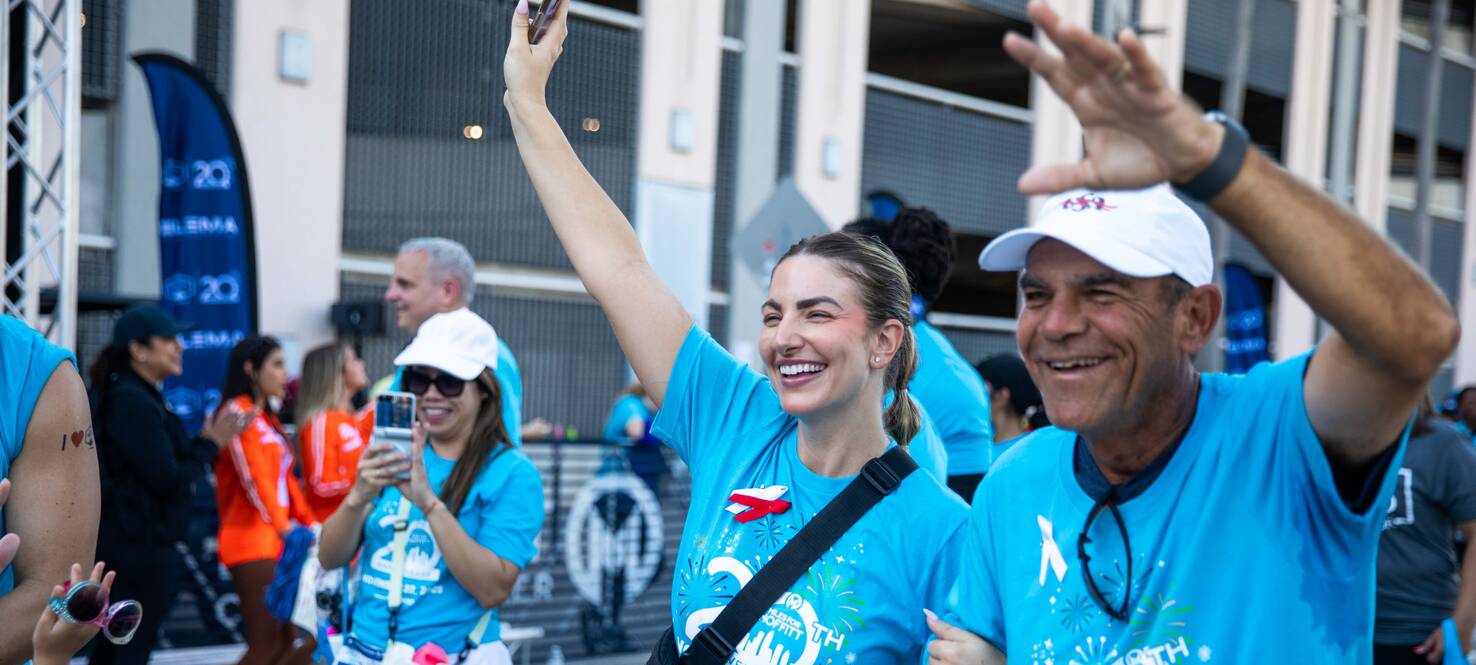
If you were anywhere near downtown Tampa on the morning of Nov. 22, 2025, you saw an impressive and inspiring scene: Thousands of people filling the streets to run, walk and cheer in the 20th annual Miles for Moffitt presented by AutoNation.
A record-breaking 11,000 people participated in the 2025 event and raised more than $1.6 million for research at Moffitt Cancer Center.
Moffitt researchers like Sylvia Crowder, PhD, are grateful. She is an assistant faculty member in Moffitt’s Health Outcomes and Behavior Program.
While many of the 2025 teams were organizing training runs and raising donations, she was poring over the results of an innovative study examining links between cancer and nutrition. The study was previously funded with a $100,000 Miles for Moffitt grant.
Crowder’s study provided nutritious meals for seven weeks to patients being treated for lung cancer and head and neck cancers. Each dish followed the Mediterranean diet, high in whole grains, fruits, vegetables, fish, nuts and healthy oils.
Crowder hopes to discover if this anti- inflammatory diet helps cancer patients avoid a variety of common symptoms. There’s plenty of anecdotal evidence pointing in that direction, but her study is a carefully designed clinical trial designed to produce scientifically accurate results.
She will also investigate whether patients maintain their weight while on the diet – an important consideration for many in cancer treatment.
"Miles for Moffitt funding has really given methe critical support needed, as an early career investigator, to pursue these kinds of innovative ideas and collect pilot data,” Crowder said. It is enabling her to gather data that may lead to additional funding for studies to learn more about the relationship between nutrition and cancer.
She tells everyone that Miles for Moffitt is one of her favorite days of the year. “Just being present around thousands of people is energizing. There’s an incredible sense of unity because you see patients, families, clinicians, researchers, community members and we’re all moving together for a shared purpose,” she said. “As a researcher, it’s a reminder that the day-to- day work we do in the lab is deeply connected to real people and real stories. So you walk away from the day feeling really inspired.”
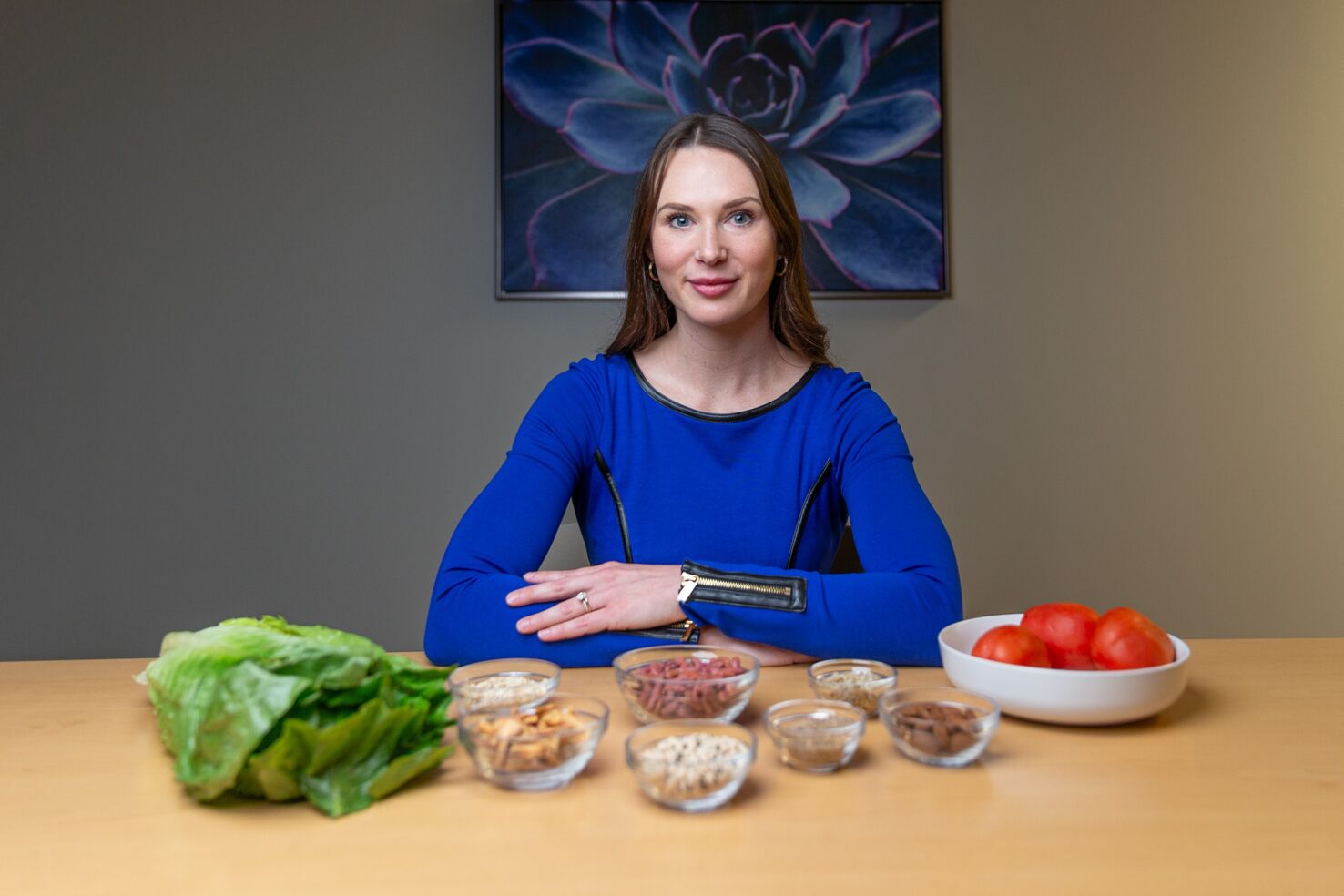
Sylvia Crowder, PhD

2025

900+
Total Guests Attending

$8.4M
For Cancer Research
2026
1000+
Total Guests Attending
$6M
For Cancer Research
The 2025 Magnolia Ball in Tampa drew more than 900 guests and raised over $8 million to support research at Moffitt Cancer Center. Chaired by the Wanek family, the gala featured live and silent auctions and a performance by Grammy-winning music group Lady A. Highlights included a major lead gift from Carol and Frank Morsani during the “Rise to the Challenge” segment, followed by more than 100 others who also offered donations, with all contributions generously matched by Pamela Mars Wright and Mark Ricks.
Nearly 1,000 guests gathered for the February 2026 gala. Chaired by Ashley Bell Barnett and Wesley Barnett, the event raised $6 million to support innovative cancer research. One of the evening’s most moving moments came from Dallas Carroll, a young mother whose life was saved by a clinical trial led by Brian Czerniecki, MD, PhD. Guests enjoyed a performance by Grammy-winner Ziggy Marley and lively auction bidding. Moffitt leaders also announced plans for a new outpatient center in Polk County, set to open in 2029, offering expanded access to advanced care thanks to transformative gifts from longtime supporters like the Barnett and Rogers families.
Pinellas Partners is a group of Pinellas-based supporters who gather twice a year to support leading Moffitt researchers. The Moffitt Merit Society is a group of women philanthropists who support the work of innovative scientists at Moffitt. The George Edgecomb Society honors the legacy of Hillsborough County’s first Black judge and seeks to overcome cancer health disparities in the Black community.
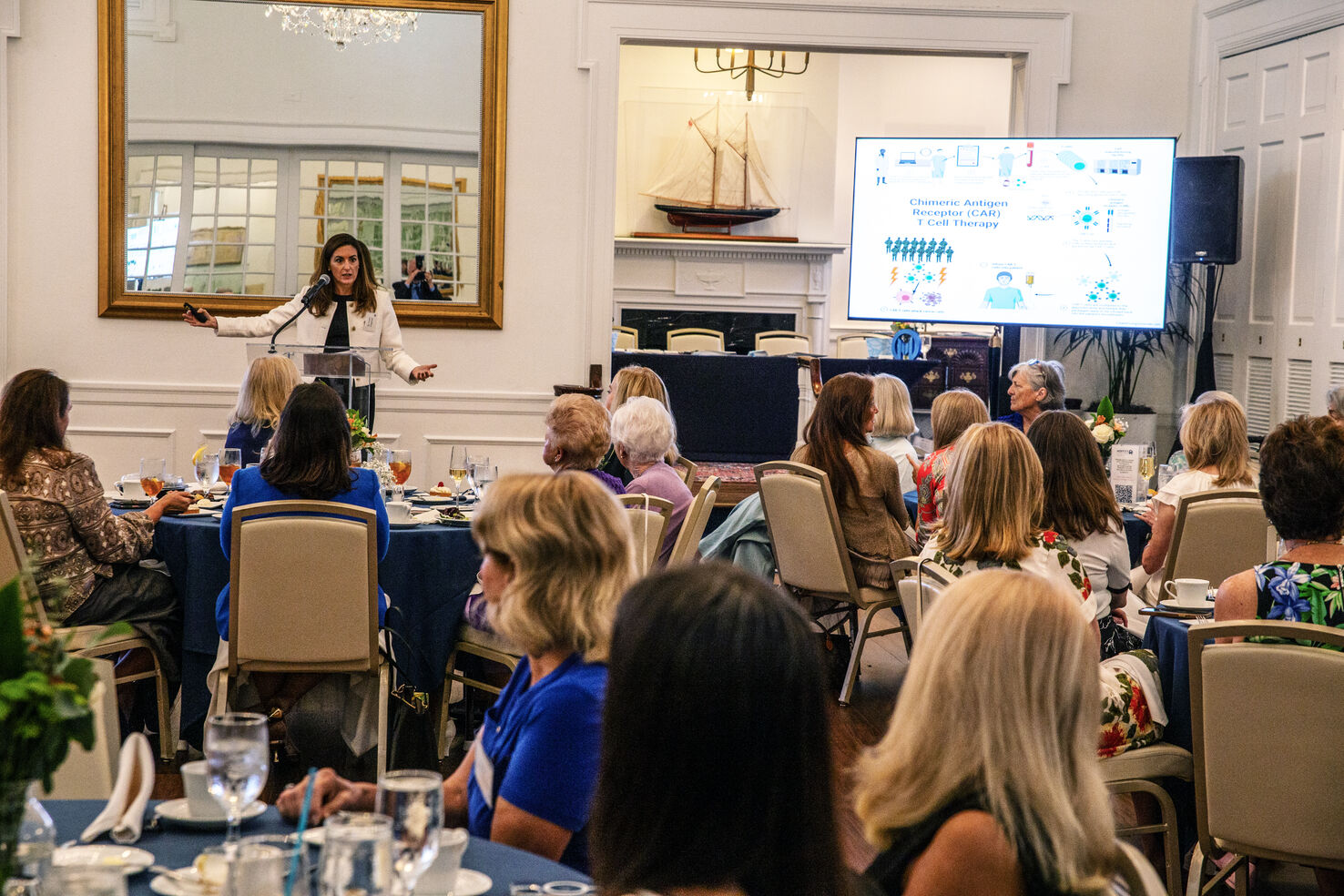
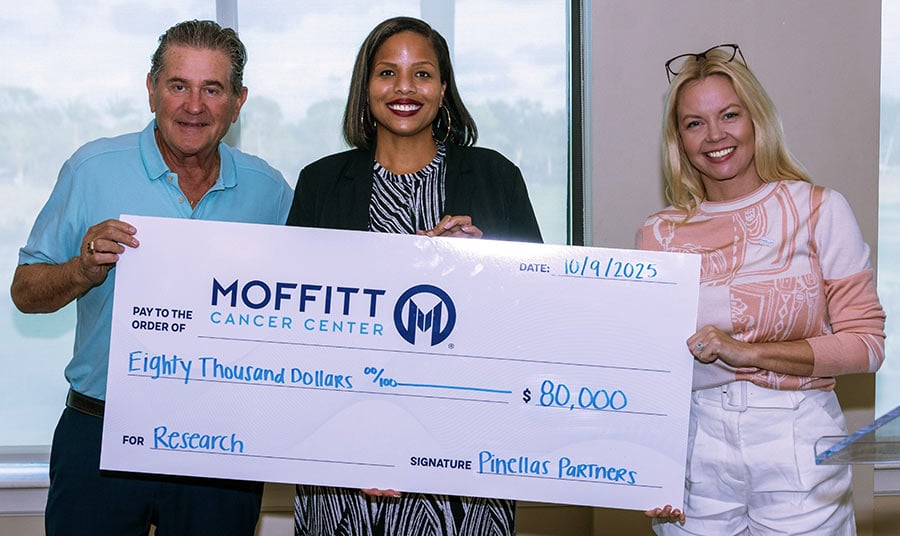
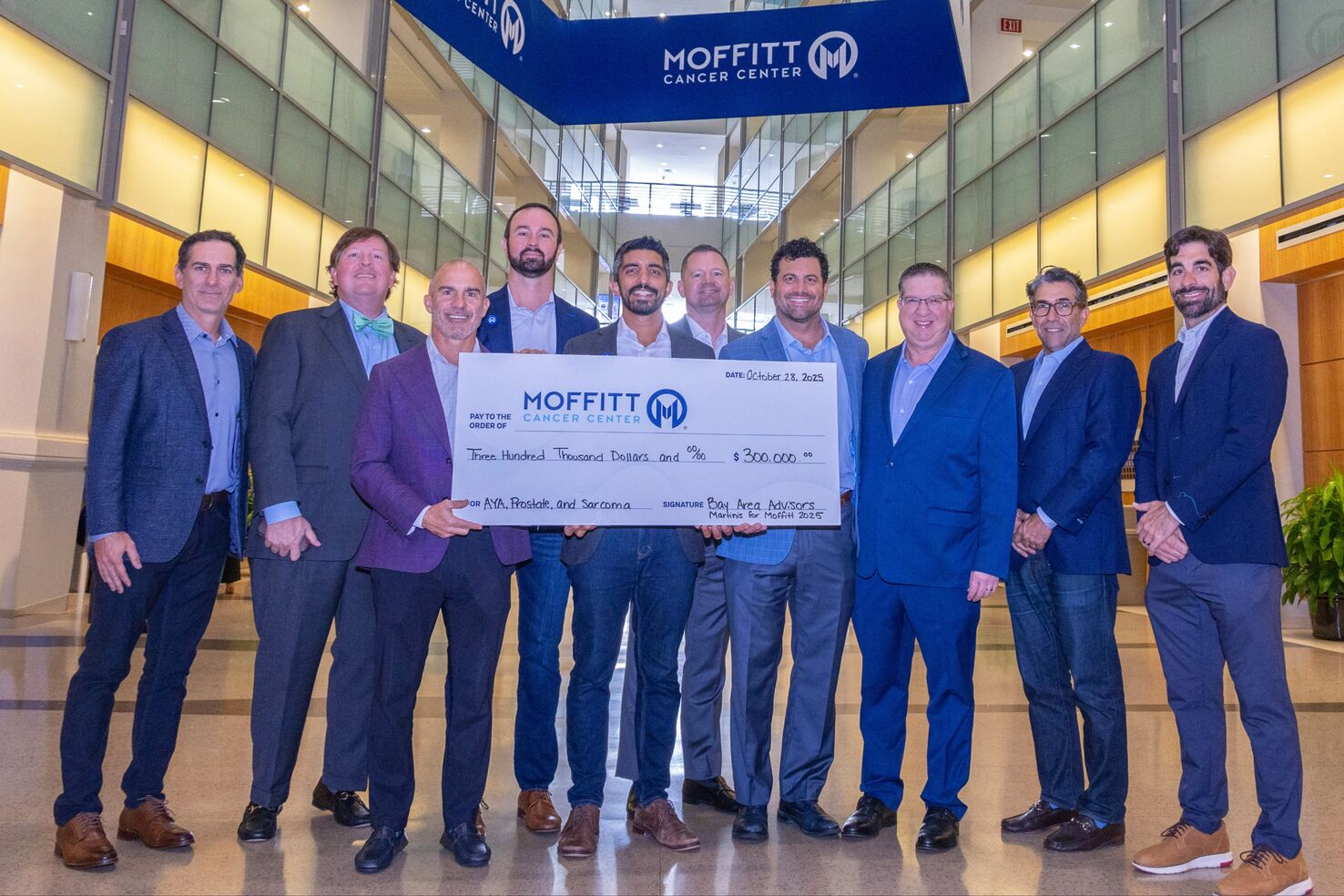
Pinellas Partners in 2025 Awarded Research Grants To:
Tiffany Carson, PhD, co-leader of the Health Outcomes and Behavior Program
Keiran Smalley, PhD, director of the Donald A. Adam Melanoma and Skin Cancer Center of Excellence
The George Edgecomb Society Awarded These $100,000 Grants in 2025:
Shannon Christy, PhD, “Implementing HPV Self-Collection in Federally Qualified Health Centers”
Jennifer Permuth, PhD, MS, “Mechanisms to explain racial disparities in pancreatic cancer-associated thrombosis”
Kosj Yamoah, MD, PhD, “Development of effective treatment for aggressive prostate cancer in African American men through the discovery of new targets from a first-in-kind pipeline of patient-derived explants”
The Moffitt Merit Society in 2025 Awarded Research Grants To:
Ciara Freeman, MD, PhD, Associate Professor and Clinical Investigator, Blood and Marrow Transplant and Cellular Immunotherapy Department
Karen Mann, PhD, Associate Member, Departments of Molecular Oncology & GI Oncology
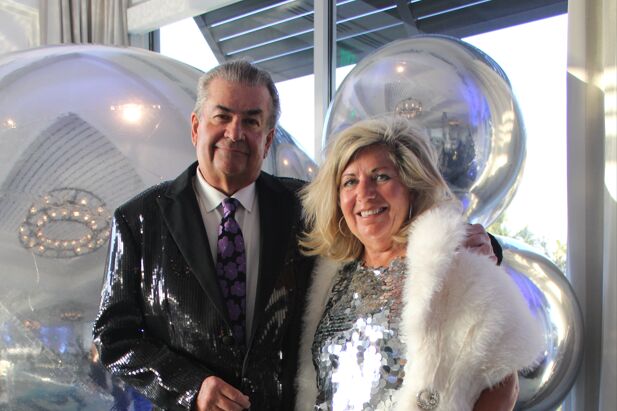
 Every year, members of the Hideaway Beach community on Marco Island put on a spectacular gala which shows it’s possible to raise money for a charitable cause while having a wonderful time. The Hideaway Beach Cancer Committee’s annual event features live music, dancing, wonderful cuisine and table assignments that come attached to glasses of champagne. In this community near Naples, the dinner is a must-attend event that is filled with fun and humor. Sometimes the theme is James Bond, sometimes it’s black tie and blue jeans. One thing that’s always on the agenda – raising money for groundbreaking research at Moffitt Cancer Center.
“It’s all about supporting cutting-edge research, which I feel is what Moffitt is all about,” said Cindy Apelian, co-chair of the Hideaway Beach Cancer Committee. “Everyone knows at least one person who has been affected by cancer. There’s so many breakthroughs, there are so many new ways of treating cancer and you can’t accomplish that without research.”
“We’re also getting the community together for a common purpose. We take our cause very seriously and we also have a lot of fun doing it” co-chair Diana Clarke said.
The Hideaway Beach Cancer Committee is one of many Community Partners who support Moffitt with fun and engaging events that raise funds for research and care while increasing awareness about preventing and treating cancer.
The committee previously supported a nationwide cancer organization but switched to Moffitt because many so community members and families received care there. Over the years, Hideaway Beach has raised more than $3-million for research at Moffitt.
Although the community is more than 150 miles away from Moffitt, several residents make the journey because they appreciate the world-class care they receive. “We always hear rave reviews,” Apelian said.
In fact, one of the highlights of the evening is a video featuring testimonials of community members who have been treated at Moffitt.
“This is the event at Hideaway,” said Jim Schumacher, a Hideaway resident who serves as the gala’s emcee. “There are so many people at Hideaway that have been affected by cancer and Moffitt has been their go-to. Everyone that I know who has been to Moffitt has been extremely satisfied.”
Visit Moffitt.org/Give
Donations to Moffitt Cancer Center Translate Into Real World Results
The payoff is not always quick. But like the acorn that grows into an oak, the results can be far- reaching.
These examples show how generous contributions to the Moffitt Foundation are making a difference in ways that will ultimately benefit cancer patients and families, in Florida and everywhere.
Richard Gonzmart: Precision Treatment for Prostate Cancer
Richard Gonzmart, a member of Moffitt Cancer Center’s Board of Advisors who is the fourth- generation owner and operator of the Columbia Restaurant Group, contributed $1 million toward an improved technology for prostate cancer.
Physicians treat prostate cancer by aiming a beam of radiation directly at cancerous tumors. The radiation attacks the tumor but can sometimes damage healthy tissue around it. Gonzmart’s gift has financed the Richard Gonzmart Brachytherapy Suite, which offers patients a more precise technology with a quicker turnaround for patients.
In brachytherapy, implants, often called seeds, are placed temporarily inside a patient’s body to target a specific area and avoid harming healthy tissue.
“I’m so proud to be a part of this advancement. For years, I’ve wanted to bring this therapy to more people in need. Now Moffitt Cancer Center has the ability to help more people and save more lives,” Gonzmart said.
“We cannot thank Mr. Gonzmart and his family enough for this generous investment in our program,” said Daniel Fernandez, MD, PhD, section head of Moffitt brachytherapy. “This suite will make a huge impact on so many patients’ lives for years to come.”
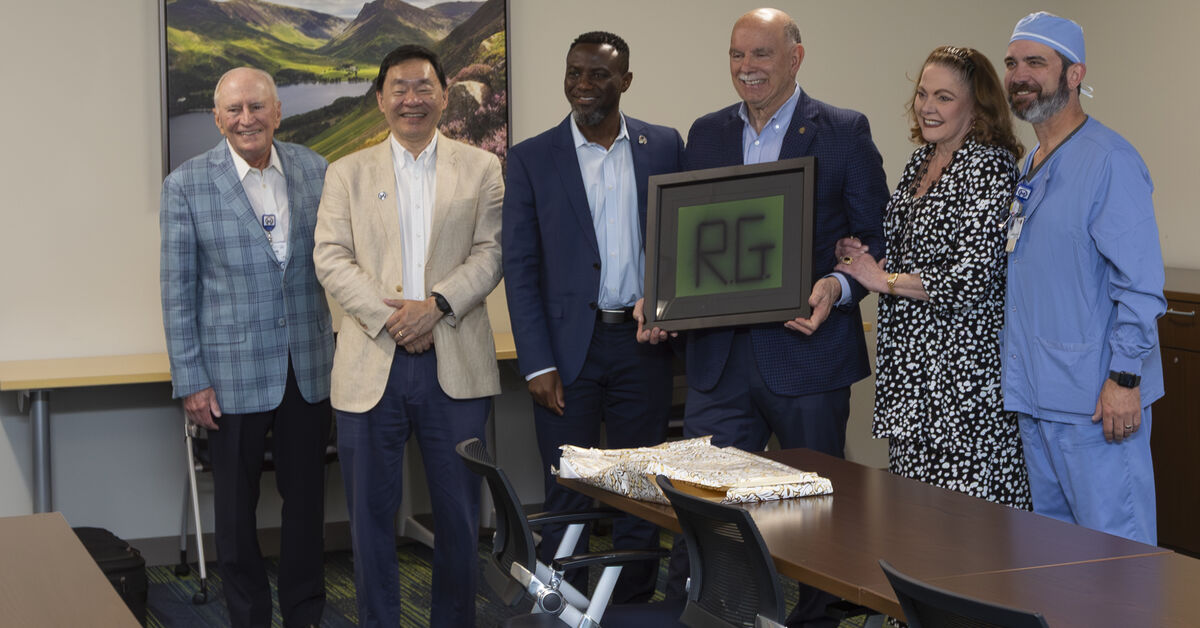
The Richard Gonzmart Brachytherapy Suite opened in October 2025.
Moffitt Donors: Recruiting Scientists,
Launching AI Innovations
Literally hundreds of donations to Moffitt Cancer Center have been pooled together to provide an impressive $15-million boost to digital pathology. This includes contributions from people who attend Moffitt fundraising events, from people who respond to Moffitt fundraising letters and from those who honor Moffitt in their estates.
Doctors and scientists have been using microscopes to examine tissue samples on glass slides for centuries. It’s a foundation of modern medicine. Now these glass slides can be converted into high-resolution digital images and viewed on computers, a process called digital pathology. This new approach is designed to accelerate scientific medicine into a new era of individualized patient care.
Thanks to Moffitt’s digital pathology initiative, fueled by the generosity of donors, Moffitt has purchased high-resolution digital pathology scanners and implemented IT upgrades. Digital pathology will increase clinical efficiency, improve diagnostic accuracy and provide access to pathology expertise to reach underserved patient populations. In addition, researchers are developing artificial intelligence models to spot cancer patterns not immediately visible to human eyes. Information in the digital slides can train AI software to make it even more effective.
All this amounts to a powerful infrastructure for new cancer-fighting tools.
A digital pathology scanner in use at Moffitt.
“Digital pathology is a revolutionary tool that will transform cancer care,” said William Westra, Moffitt’s Vice Chair of Anatomical Pathology, and Digital Pathology Faculty Leader. “Moffitt Cancer Center looks to be leaders, not followers, into this exciting future of individualized cancer care.” Contributions from the same donors have allowed Moffitt to recruit staff and strengthen another initiative called translational pathology.
Moffitt’s new Translational Pathology Department seeks to merge the work of doctors and nurses with scientific findings from researchers who are constantly seeking new and better treatments.
In other words, “translating” scientific advances into new clinical methods that benefit patients. Biomarkers play a big role in this effort – these are biological indicators in a patient’s body which point to the likelihood of diseases. By systematically identifying biomarkers and linking this information with the latest research, Moffitt scientists will be able to offer more personalized treatment options for patients. Importantly, this department will lead computational pathology biomarker research using digital pathology images complementing the clinical implementation of digital pathology at Moffitt.
Thanks to contributions made through the Moffitt Foundation, the Translational Pathology Department launched a mentorship program to support early-career medical oncologists conducting high-impact clinical research. It also has accelerated various research initiatives including:
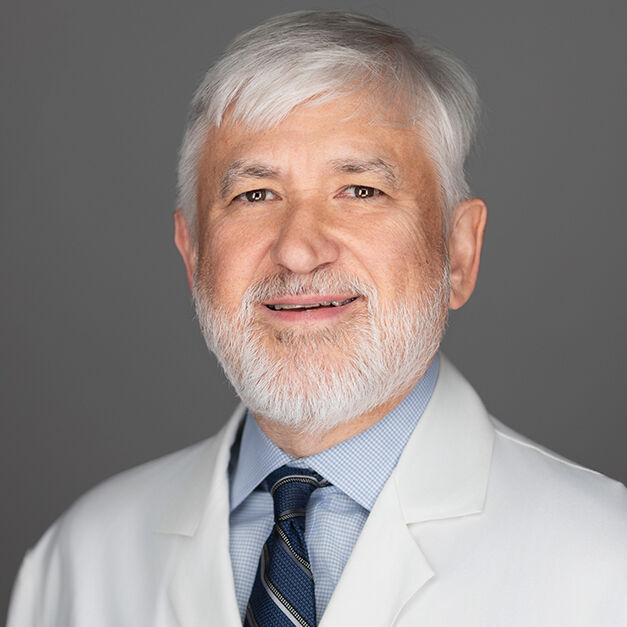
Ignacio Wistuba, MD
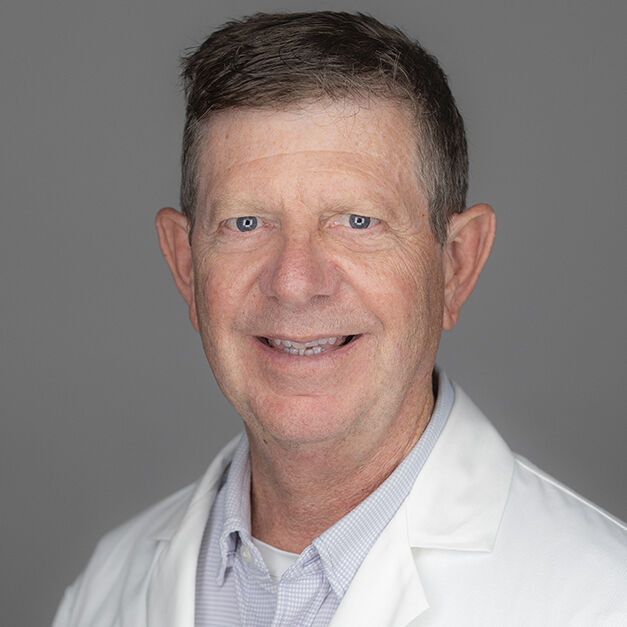
William Westra, MD
Your partnership fuels progress and brings hope to those we serve. We are inspired by what we’ve accomplished together and all that is still possible because of you.
If you have questions about donating or would like to learn more about making an impact, please contact our team of gift officers at the Foundation at
1-800-456-3434, ext. 1403
or FoundationInfo@Moffitt.org