
What is Classical (Benign) Hematology?
Hematology is a branch of medicine that focuses on blood and blood-forming tissues, including red blood cells, white blood cells, platelets and proteins involved in bleeding and clotting. Classical hematology—traditionally referred to as benign or noncancerous hematology—addresses blood disorders that are not cancers, such as anemia, abnormal bleeding, blood clots and low platelet counts.
Although Moffitt is widely known for treating leukemia, lymphoma and other blood cancers, Moffitt’s hematologists also evaluate and manage a broad range of noncancerous blood disorders. These conditions may require sophisticated laboratory testing, specialized treatments and the expertise of physicians who understand the complex processes that affect blood cell production, destruction, bleeding and clotting. Moffitt provides this level of hematology expertise along with advanced diagnostic resources and specialized outpatient services.
Hematology is a branch of medicine that focuses on blood and blood-forming tissues, including red blood cells, white blood cells, platelets and proteins involved in bleeding and clotting. Classical hematology—traditionally referred to as benign or noncancerous hematology—addresses blood disorders that are not cancers, such as anemia, abnormal bleeding, blood clots and low platelet counts.
If a physician refers you or a loved one to Moffitt Cancer Center for a blood disorder, it does not necessarily mean that cancer is suspected. Although Moffitt is widely known for treating leukemia, lymphoma and other blood cancers, Moffitt’s hematologists also evaluate and manage a broad range of noncancerous blood disorders. These conditions may require sophisticated laboratory testing, specialized treatments and the expertise of physicians who understand the complex processes that affect blood cell production, destruction, bleeding and clotting. Moffitt provides this level of hematology expertise along with advanced diagnostic resources and specialized outpatient services.

Classical hematology conditions we treat
Blood disorders can affect different components of the blood or interfere with the body’s ability to control bleeding and form clots appropriately. Some conditions are relatively common but can become difficult to manage, while others require specialized testing to determine why blood counts are abnormal or symptoms persist. Moffitt’s classical hematology specialists evaluate and treat many noncancerous blood disorders, including:
Anemias and iron disorders
Anemia develops when the blood does not contain enough healthy red blood cells or hemoglobin to adequately carry oxygen throughout the body. Because anemia has many possible causes, identifying the underlying issue is important for developing an appropriate treatment plan. Moffitt also evaluates disorders that affect how the body absorbs, stores or uses iron. Anemias and iron disorders evaluated at Moffitt include:
- Iron deficiency anemia – This common form of anemia develops when the body does not have enough iron to produce adequate hemoglobin. A specialized hematology evaluation may be helpful if oral iron cannot be tolerated or does not adequately correct the deficiency, or if an underlying condition interferes with iron absorption or utilization.
- Autoimmune hemolytic anemia (AIHA) – AIHA occurs when the immune system mistakenly produces antibodies that attack and prematurely destroy red blood cells. Because different antibody types can cause hemolysis and influence treatment decisions, a detailed laboratory evaluation may be needed to characterize the disorder and identify an underlying trigger.
- Pernicious anemia – This type of vitamin B12 deficiency anemia develops when the body cannot properly absorb vitamin B12, often because of an autoimmune process that interferes with intrinsic factor, a protein needed for B12 absorption. Treatment generally involves replacing vitamin B12 and monitoring the patient’s response.
- Iron metabolism disorders, including hemochromatosis – Some disorders cause the body to absorb or accumulate too much iron rather than too little. Hemochromatosis can lead to excess iron deposits in organs and tissues over time, so appropriate diagnosis, monitoring and management are important.
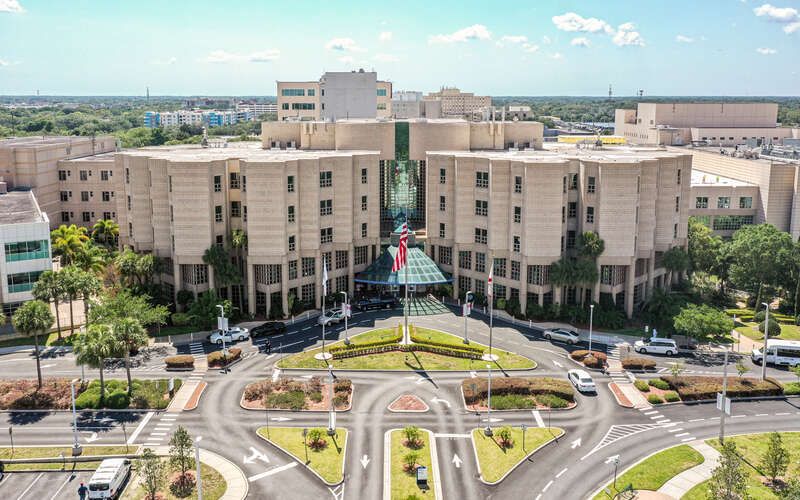
#1 Cancer Hospital in Tampa
Moffitt is the top-ranked cancer hospital in Tampa and central Florida and ranked No. 16 in the nation in Newsweek’s “America’s Best Cancer Hospitals."
Hemostasis and thrombosis disorders
The body maintains a carefully regulated balance between preventing excessive bleeding and forming clots when they are needed. A disorder of hemostasis can disrupt this balance, resulting in abnormal bleeding, abnormal clot formation or both. Moffitt’s hematologists evaluate inherited and acquired bleeding and clotting disorders, including:
- Deep vein thrombosis (DVT) – A DVT is a blood clot that forms in a deep vein, most commonly in a leg. A hematology evaluation may be appropriate for a patient with recurrent or unexplained DVT, an unusual clot location, complex anticoagulation needs or other features that raise questions about an underlying tendency to develop blood clots.
- Pulmonary embolism (PE) – A pulmonary embolism occurs when a blood clot, often originating in a deep vein in a leg, travels to the lungs and blocks blood flow. After the immediate medical emergency has been addressed, a hematologist may help determine the appropriate type and duration of anticoagulation and whether further evaluation is warranted.
- Hemophilia – An inherited bleeding disorder, hemophilia is caused by a deficiency of certain clotting factors. Specialized hematology care can help prevent and control bleeding, monitor treatment and develop plans for surgery, a dental procedure or another situation that may increase bleeding risk.
- Von Willebrand disease – The most common type of inherited bleeding disorder, von Willebrand disease results from a deficiency or abnormal function of von Willebrand factor, a protein that helps platelets adhere at sites of blood vessel injury and helps stabilize clotting factor VIII. Symptoms can range from mild bruising or prolonged bleeding to more significant bleeding problems.
- Hypercoagulable conditions and thrombophilia – Certain inherited or acquired conditions can increase the tendency for blood to clot. A hematologist can determine whether thrombophilia testing is appropriate based on the patient’s medical and family history, characteristics of the clot and other clinical factors, then use the results when relevant to help guide management.
Platelet disorders and other cytopenias
Platelets help stop bleeding, while white blood cells play an essential role in the immune system. Abnormal blood counts can have many possible explanations, and a specialized evaluation may be necessary if an abnormality persists, becomes severe or does not have an apparent cause. Conditions evaluated at Moffitt include:
- Immune thrombocytopenia (ITP) – ITP is an autoimmune disorder in which the immune system mistakenly attacks platelets, resulting in a low platelet count and, in some cases, an increased risk of bruising or bleeding. Treatment is individualized according to factors such as the patient’s platelet count, bleeding symptoms, other health conditions and planned procedures. Moffitt offers advanced therapies for patients who require treatment, including thrombopoietin receptor agonists and certain immune-based therapies.
- Unexplained cytopenias – Cytopenia means the level of one or more blood cell types is lower than normal. When the cause of a low red blood cell, white blood cell or platelet count is unclear, a hematologist can perform a detailed evaluation to determine whether the abnormality is related to a nutritional deficiency, medication, autoimmune condition, infection, bone marrow disorder or another cause.
- Evans syndrome – Evans syndrome is a rare autoimmune disorder in which the immune system destroys more than one type of blood cell. It most commonly involves autoimmune hemolytic anemia together with ITP, although low levels of certain white blood cells can also occur. Because the condition can relapse and may be associated with another underlying disorder, ongoing hematology care may be needed.
 Florida's First NCI-designated Comprehensive Cancer Center
Recognized for its scientific excellence, Moffitt is the state's longest-established National Cancer Institute-designated Comprehensive Cancer Center.
Our classical hematology services
Diagnosing and treating a noncancerous blood disorder can involve much more than reviewing a complete blood count. Moffitt combines hematology expertise with advanced laboratory capabilities, infusion services and specialized programs to address complex diagnostic and treatment needs.
Our clinical services include:
- Advanced diagnostics – When routine bloodwork does not provide enough information, Moffitt’s hematologists can use more specialized testing to investigate the cause of abnormal blood counts, bleeding, clotting or red blood cell destruction. For example, an evaluation for autoimmune hemolytic anemia may include testing for evidence of hemolysis and identifying characteristics of the antibodies involved, which can help distinguish different forms of the disease and guide treatment.
- Specialized bloodless medicine and surgery – For a patient who declines blood transfusions or certain blood products because of religious beliefs or personal preferences, Moffitt offers a dedicated bloodless medicine and surgery pathway. The healthcare team can evaluate blood counts and bleeding risk, discuss acceptable alternatives and develop an individualized plan before, during and after a procedure. Strategies may include treating anemia before surgery with iron, vitamin B12, folate or recombinant erythropoietin when appropriate.
- Specialized perioperative hematology management – A patient with anemia, low platelets, a bleeding disorder, a history of blood clots or complex anticoagulation needs may require additional planning before surgery. A Moffitt hematologist can assess these risks and collaborate with the surgical team to develop a plan for managing blood counts, anticoagulant medications, bleeding and clotting risk around the time of the procedure.
- Infusion therapies – Some blood disorders can be treated on an outpatient basis with therapies administered intravenously. Depending on the diagnosis, Moffitt offers multiple IV iron formulations as well as immune-based infusion therapies and other treatments, allowing the patient to receive specialized hematology care without hospitalization when clinically appropriate.
- Specialized medications – A patient whose condition does not respond adequately to initial treatment may benefit from advanced medical therapy. For example, certain patients with ITP may receive thrombopoietin receptor agonists, which stimulate the bone marrow to produce more platelets. Treatment is selected according to the patient’s diagnosis, symptoms, laboratory findings, previous therapies and overall health.
The Moffitt Cancer Center difference for classical hematology
A cancer diagnosis is not required to benefit from Moffitt’s hematology expertise. Our classical hematology services provide patients with complex noncancerous blood disorders access to the specialized physicians, sophisticated diagnostic capabilities, advanced treatments and coordinated outpatient care available at a leading cancer center.
Our approach can be especially valuable when a blood abnormality remains unexplained, symptoms continue despite treatment or a condition requires expertise beyond what is typically available in a general medical setting. Moffitt’s hematologists can perform a focused evaluation, clarify the diagnosis and develop an individualized treatment or monitoring plan. When other specialties need to be involved, care can be coordinated through a multispecialty team.
Moffitt makes specialized hematology care accessible throughout the Tampa Bay region. Classical hematology services are available through multiple outpatient centers, helping patients receive consultations, follow-up care and infusion therapies closer to home. Our current outpatient network includes locations in Wesley Chapel, International Plaza and SouthShore. To request an appointment with a specialist on Moffitt’s classical hematology team, call 1-888-663-3488 or submit a new patient registration form online. We do not require referrals.
Classical Hematology