
How Accurate Is a Staging Laparoscopy in Guiding Treatment Eligibility?
Cytoreductive surgery (CSC) combined with hyperthermic intraperitoneal chemotherapy (HIPEC) can improve the long-term survival of patients with peritoneal surface malignancies.
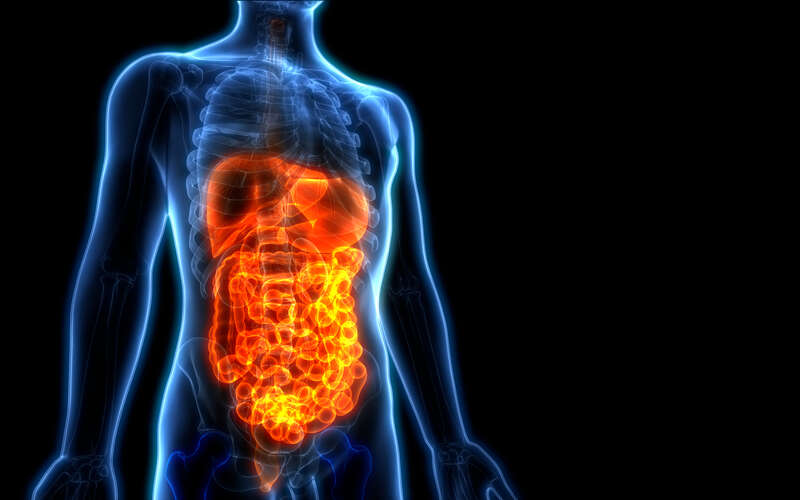
A peritoneal surface malignancy is cancer found within the peritoneal cavity. The peritoneal cavity is the area of the abdomen that contains most organs, including the stomach and liver.
The goal of cytoreductive surgery is to remove all visible disease, while HIPEC is used to treat microscopic disease. During surgery, a surgeon inserts a catheter that is used to pump heated chemotherapy into the abdominal cavity.
A staging laparoscopy is a common procedure used to determine the peritoneal carcinomatosis index (PCI), which combines cancer size with its distribution. This can help determine a patient’s eligibility for CRS/HIPEC and assess whether they are a good surgical candidate.
A team of specialists, including Samantha Seitter, DO, a complex general surgical oncology fellow at Moffitt Cancer Center, launched a study to evaluate whether there is a better way to select patients for CRS/HIPEC.
The team analyzed PCI scores for more than 100 patients undergoing staging laparoscopy, followed by CRS/HIPEC over an eight-year period at Moffitt.
“We found that staging laparoscopy significantly underestimates PCI with disease in the right flank and distal bowel as the most common sites underestimated,” Seitter said. “As expected, there was a change in overall survival, benefitting patients who were able to undergo CRS/HIPEC in our review.”
Overall, the study found this data to be pivotal for preoperative planning and informed decision-making for patients.