Immunotherapy Pioneer Steven Rosenberg Reflects on Past Breakthroughs and Future Promise
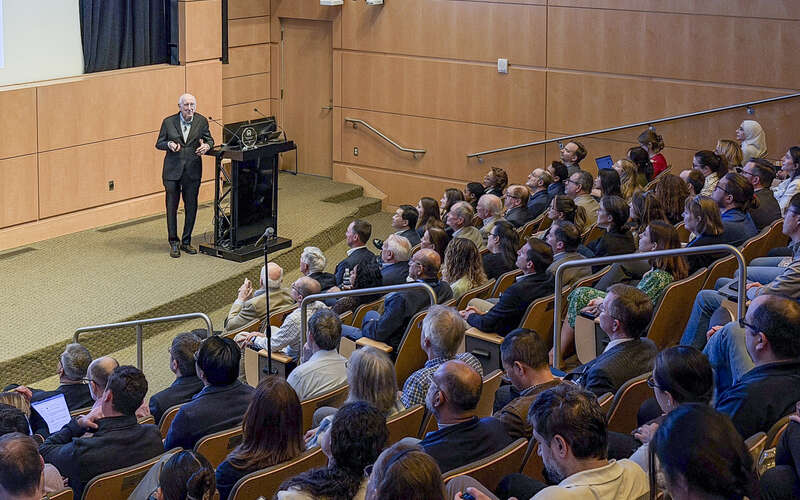
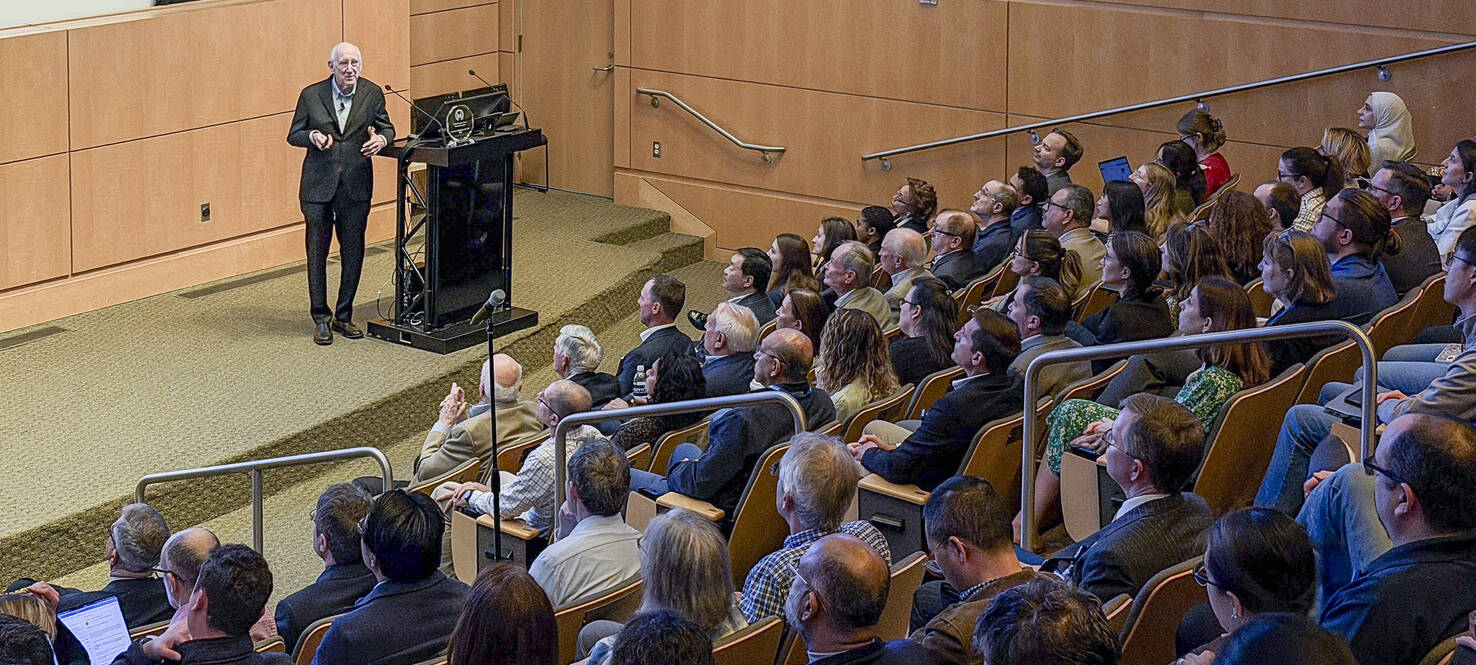
When Steven Rosenberg, MD, PhD, took the stage at Moffitt Cancer Center Monday, his lecture traced a scientific journey that began decades ago with a radical idea: that the immune system could be harnessed to fight cancer.
Rosenberg served as the featured speaker for the 2026 Ted Couch Cancer Research Lecture Series, an annual honor that recognizes scientists whose work has fundamentally shaped cancer research. He is the chair of the Surgery Branch at the National Cancer Institute, but he’s widely regarded as the father of modern tumor immunology.
His talk, hosted by Moffitt’s Research Education and Training Program, blended history, hard-won lessons and emerging approaches that continue to push the boundaries of cellular immunotherapy.
At the Ted Couch Lecture, Steven Rosenberg, MD, PhD, (@theNCI), shared progress on TIL therapy for metastatic epithelial cancers and strategies to identify mutation-reactive T cells in common solid tumors.
— Moffitt Cancer Center (@MoffittNews) March 2, 2026
He outlined strategies to improve ACT therapy for refractory epithelial… pic.twitter.com/SC8glPUzfX
From Skepticism to Approved Treatments
Rosenberg reflected on his early years at the National Cancer Institute, when evidence for effective cancer immunotherapy was scarce and skepticism was widespread. An essential observation of spontaneous cancer regression during his medical training convinced him that immune cells might hold untapped therapeutic power. It was a conviction that would guide decades of research.
His work helped establish interleukin-2 as the first FDA-approved immunotherapy for cancer and laid the groundwork for adoptive cell transfer using tumor-infiltrating lymphocytes, or TILs. Those advances, once considered experimental, now reinforce multiple FDA-approved treatments and continue to evolve into more precise, personalized approaches.
Beyond scientific milestones, Rosenberg emphasized mentorship as one of his most enduring contributions. Generations of trainees passed through his laboratory, many of whom went on to become leaders in immune-oncology, including several now working at Moffitt.
“That extended scientific family is everywhere in immunotherapy today,” Rosenberg said, noting that many of the field’s most active programs trace their roots back to early work in his lab.
Moffitt Discoveries
For Moffitt leaders, Rosenberg’s visit underscored how foundational discoveries continue to shape current clinical efforts.
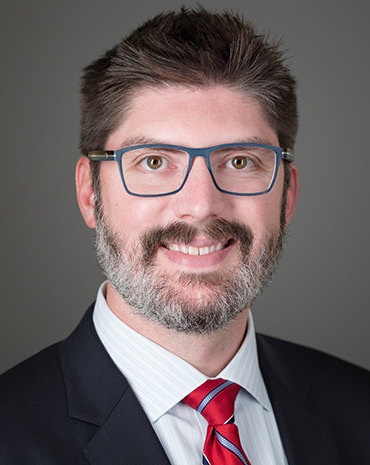
“Dr. Rosenberg is a giant in the field,” said Frederick Locke, MD, co-leader of the Immuno-Oncology Program and chair of the Blood and Marrow Transplant and Cellular Immunotherapy Department at Moffitt. “He was the architect for many of the key early immunotherapy studies that have shaped the landscape today. Seeing that history distilled into the results we now deliver to patients is incredibly inspiring.”
That connection between past and present is evident in Moffitt’s expanding cell therapy portfolio. The cancer center is leading and participating in clinical trials that adapt Rosenberg’s principles to new cancer types, including lung cancer, where researchers are exploring how TIL therapy may help patients with advanced disease.
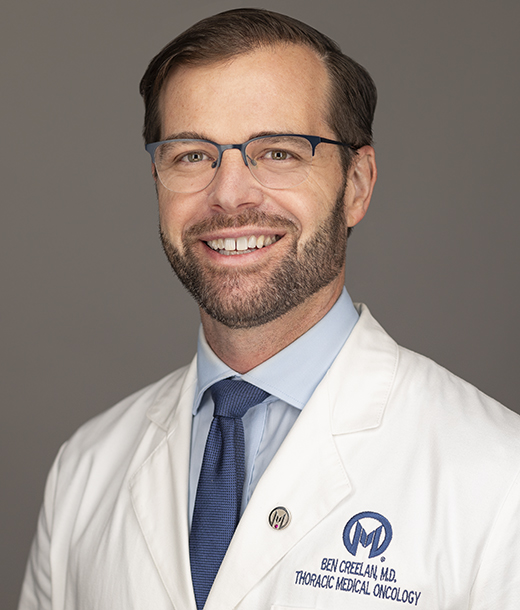
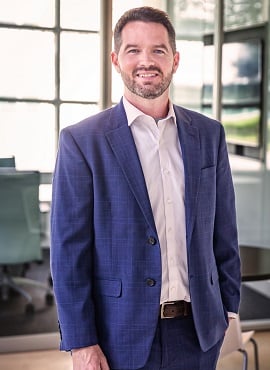
Ben Creelan, MD
“There’s still so much power in cell therapy that we haven’t unlocked,” said Ben Creelan, MD, an oncologist in the Thoracic Oncology Department who is currently leading a clinical trial using TIL therapy for non-small cell lung cancer at Moffitt. “These are living treatments. They can persist in the body and potentially act as a one-time therapy that prevents cancer from ever coming back.”
Creelan said Rosenberg’s lecture reinforced the importance of targeting multiple tumor antigens to prevent cancer cells from escaping immune attack, a concept that is increasingly shaping the design of next-generation therapies.
“That idea of going beyond a single target is something we’re already seeing in blood cancers and now trying to translate to solid tumors,” Creelan said.
Focused on the Future
Rosenberg’s lecture also highlighted ongoing challenges, particularly in treating common epithelial cancers that account for the majority of cancer deaths. His current research focuses on refining T-cell therapies to recognize multiple patient-specific mutations, potentially expanding the reach of immunotherapy to cancers that have been historically resistant to immune-based treatments.
➡️ A major challenge confronting cancer #immunotherapy is developing effective treatments for metastatic epithelial solid cancers, which account for 90% of cancer deaths and remain largely incurable.
— Dr. Patrick Hwu (@PatrickHwuMD) March 2, 2026
❓Can TIL be effective for these patients?
Grateful to hear from Dr. Steven… pic.twitter.com/kgZj4c6qWP
For Moffitt, hosting the Ted Couch Lecture Series each year is both a reflection of its history and a look to the future. While the lectureship is not designed as a recruitment tool, visits from leaders like Rosenberg have helped strengthen scientific ties and inspire new generations of researchers.
As Rosenberg concluded his lecture, he emphasized that despite decades of progress, the field is still in its early chapters.
“We’re just getting started,” he said in a sentiment that resonated with an audience of clinicians, scientists and trainees working to carry immunotherapy’s next breakthroughs from the laboratory to patients.
About the Ted Couch Cancer Research Lecture Series
The Ted Couch Lectureship was established in 1999 to honor Ted Couch, a longtime supporter of Moffitt whose leadership and philanthropy were instrumental during the cancer center’s formative years. Couch became involved after searching for specialized care for his sister following her melanoma diagnosis and learning about the vision of H. Lee Moffitt. He later served as a founding member of Moffitt’s Board of Directors and became board chair in 1993.
For more than two decades the series has featured a who’s who of cancer research, with past recipients including Nobel laureates and leaders whose discoveries reshaped prevention, diagnosis and treatment.