Innovations Help Breast Cancer Patients’ Quality of Life After Lymph Node Removal
Lymph nodes filter substances that travel through the lymphatic fluid and play a big role in helping bodies fight off infections. They’re located throughout the body, including the chest, groin and armpit.
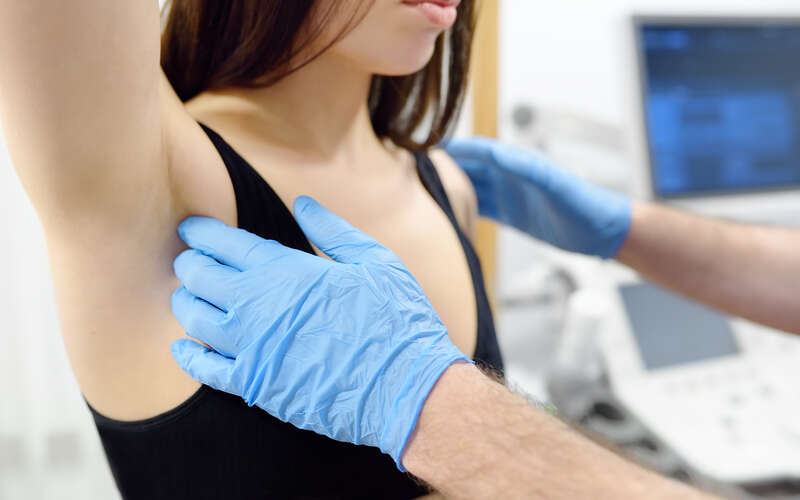
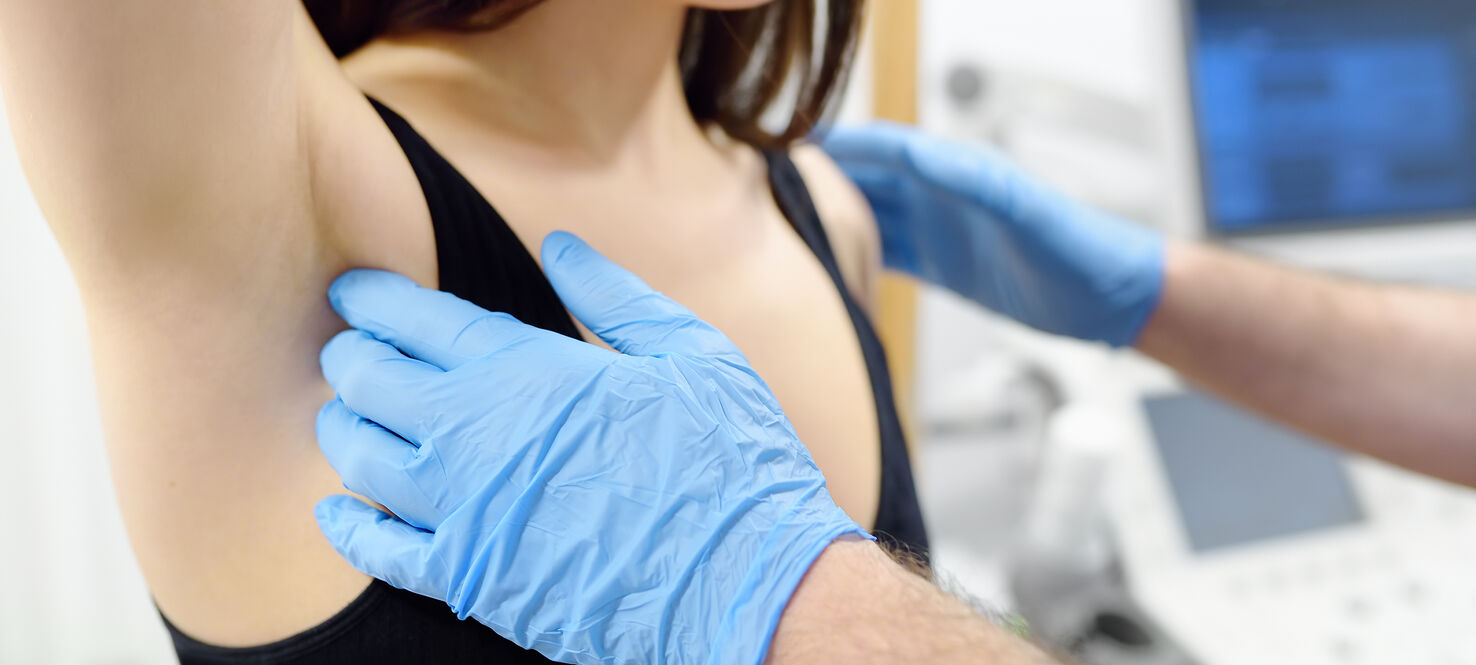
For breast cancer patients, lymph node removal is a surgical procedure that removes lymph nodes near the armpit to see if the cancer has spread to the lymph nodes. During the removal process, specialists may conduct a sentinel lymph node biopsy or an axillary node dissection.
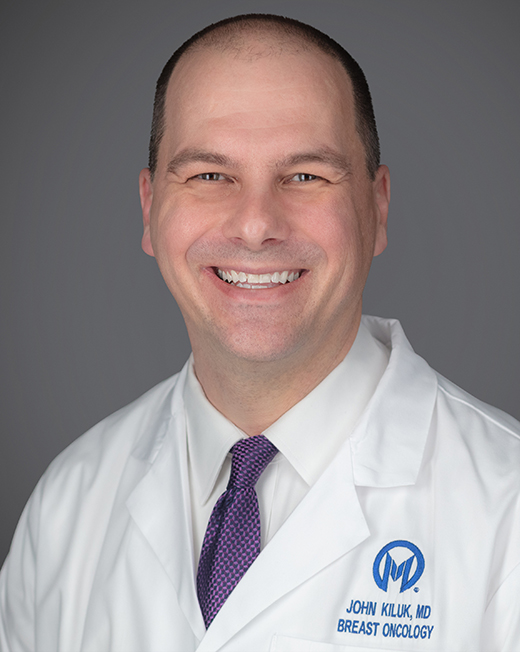
John Kiluk, MD
Sentinel nodes are the first lymph nodes where breast cancer is likely to spread. A sentinel lymph node biopsy removes the sentinel lymph node or nodes for further examination. An axillary node dissection, or removal of the lymph nodes in the armpit, is considered a more invasive procedure and is less common than a sentinel node biopsy.
“Multiple studies have shown if you take out the first node that drains the breast and if there is no sign of cancer in that first node, then the chances of having additional lymph nodes with cancer is very small,” said John Kiluk, MD, surgical oncologist in the Breast Oncology Department at Moffitt Cancer Center.
Lymph node removal can cause a chronic condition called lymphedema. Lymphedema is swelling that results from lymph vessels becoming blocked, preventing the proper drainage of lymph fluid. Symptoms of lymphedema include a feeling of heaviness, hardening of the skin, recurring infections and pain.

Evgenios Evgeniou, MD
Moffitt specialists have had success using surgical interventions to prevent lymphedema. “Immediate lymphatic reconstruction with lympho-venus bypass, basically a connection of the lymphatics to a vein, is a surgical intervention offered at the same time as the removal of the lymph nodes,” said Evgenios Evgeniou, MD, a plastic surgeon in the Reconstructive Oncology Program at Moffitt. “Lymphedema occurs in 34% of patients having lymph node dissection and radiation. This can be reduced to approximately 6% to 9% with immediate lymphatic reconstruction.”
Measures like maintaining a healthy weight and exercising can also help prevent lymphedema. Physical therapy can also be a beneficial tool for recovery and proper healing. “We tell all of our patients to be careful with their arm, try to avoid trauma or very strong lifting, any kind of trauma through their arm can exasperate lymphedema,” Kiluk said. “But the primary thing a patient can do is be good with their mammograms and screening. The earlier we can catch cancers, the less the patient may have to go through.”