Inpatient Hospice Services Provide Additional Care Options for Patients and Families
Since partnering with Suncoast Hospice of Hillsborough, one of Empath Health’s seven Florida hospice programs, nearly 200 families have utilized Moffitt Cancer Center’s inpatient hospice services since April 2025.
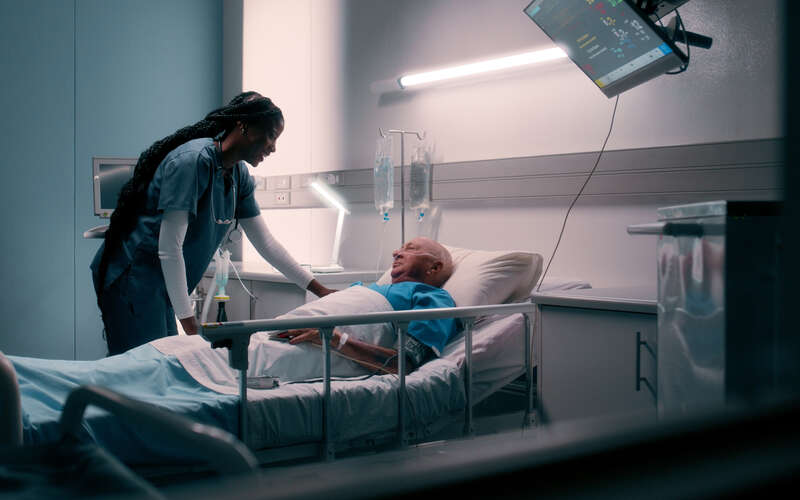
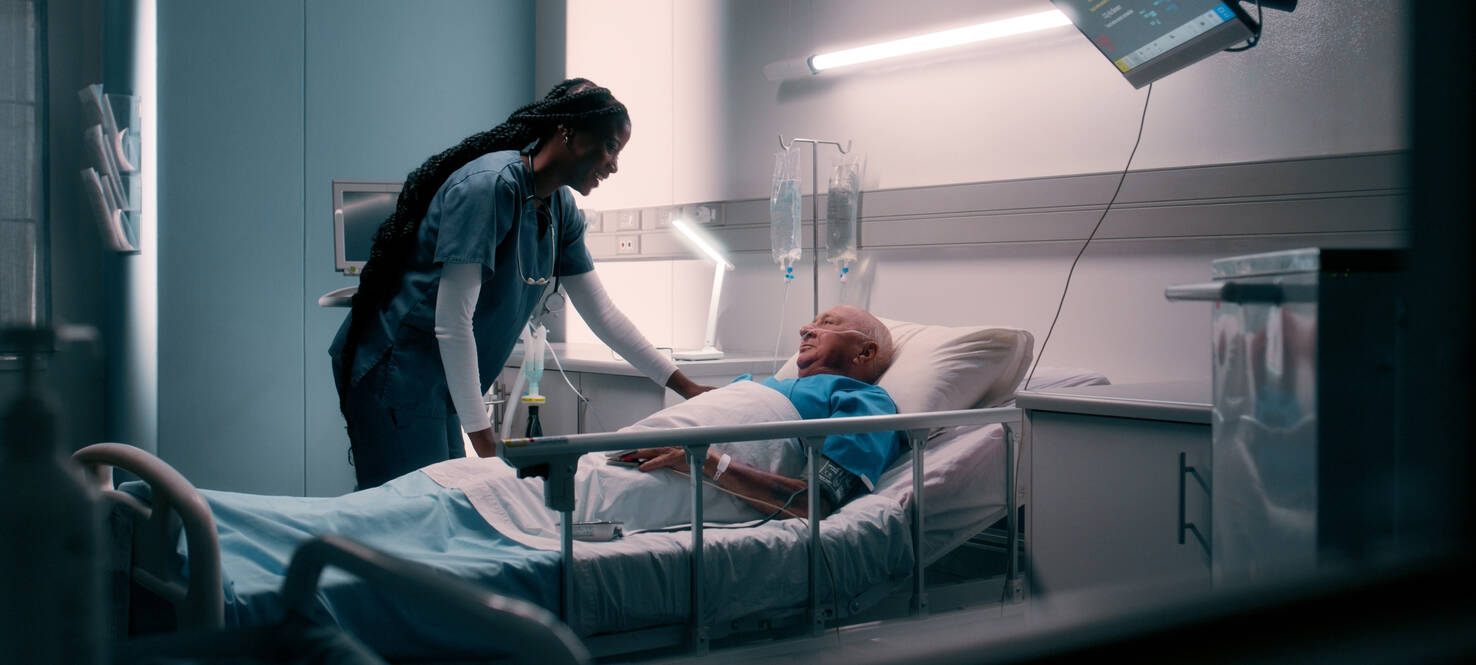
The services are available to patients admitted to the hospital at Moffitt, allowing patients and their families to receive hospice care directly on site without being transported to an outside facility.
Patients typically qualify for hospice care when they have a terminal illness and a life expectancy of six months or less. Inpatient hospice is reserved for patients with care needs that cannot be addressed in other settings, such as at home.
Once families enroll in inpatient hospice services, they can receive additional support, such as bereavement services for up to 13 months after a patient passes away and access to chaplaincy care.
Before seeking hospice care, many patients receive palliative medicine services from Moffitt’s Supportive Care Medicine Department before their disease reaches a terminal status.
Matthew Murphy, MD, a specialists in Moffitt’s Supportive Care Medicine Department, presented on improvement initiatives for end of life care during the National Comprehensive Cancer Network’s 2026 Annual Conference.
Murphy explains his perspective on inpatient hospice services at Moffitt, which has now been underway for a year.
Why was an inpatient hospice option needed at Moffitt?
Implementing an inpatient hospice program at Moffitt was truly about ensuring that patients receive the right care at the right time. Sometimes, patients with advanced cancer are admitted to the hospital near the end of life, and in those moments, the most meaningful care often shifts from disease directed treatments to interventions that focus on comfort, dignity, and support for both patients and their families.
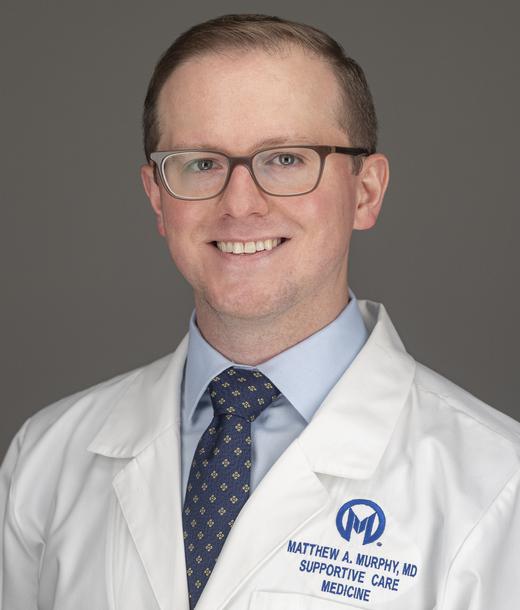
Matthew Murphy, MD
Moffitt’s Palliative Medicine, Social Work and Chaplaincy teams have long tended to the symptom management, psychosocial, and spiritual needs of patients at end of life. Adding the additional layer of hospice for inpatients has allowed us to offer an even broader interdisciplinary model, including extended bereavement support for families. Moffitt’s Patient and Family Advisory Council clearly voiced the need for these services, and once we heard that, the path forward was obvious. From that point, the program came together quickly — we launched just three months after the project commenced.
What impact did you see once this service became available for patients and families?
The impact was felt almost immediately. Any time you launch a new program like this, where enrollment is optional, you wonder if there will be uptake, especially in end-of-life situations where patients and families may already feel overwhelmed. But we saw meaningful uptake right away. Patients who were appropriate for inpatient hospice services were enrolling, and families expressed relief at having the hospice team involved, complementing the care provided by Moffitt team members.
We’re also seeing impact beyond enrollment alone. For patients considering hospice and seeking to understand what it entails, the program creates space for informed, compassionate conversations. Patients and families can meet with Moffitt social workers and with hospice nurses to learn about their options and ask questions. That ability to explore hospice in a supportive, lowpressure way has made a tremendous difference.
Overall, how does this help to improve care for patients?
Prior to implementing this project, patients admitted to Moffitt at the end of life could receive comfort-focused care, which involves aggressive management of pain and other distressing symptoms, addressing psychosocial and spiritual needs, and creating a peaceful, comforting environment for the patients and loved ones. With hospice enrollment, that is still the case, and hospice provides additional bereavement support to families and can connect them with resources in their local communities. We have also had patients at the end of life who were able to be transported home with hospice or have their care transferred to a different hospice in another region of Florida and even a different state.
The feedback I often hear from patients and families is that they appreciate the ability to remain in place — in their current hospital room and with their medical team — when inpatient hospice is appropriate. Patients and families place immense trust in their Moffitt team. They know our names and faces, and they know they are in a safe place where they are treated with compassion. The ability to keep the same team in place, in the existing care setting, has been incredibly helpful to ease distress related to transferring to other facilities in the final hours or days of life.
What is one thing you want family members to know?
It is truly an honor and a privilege to care for our patients and their families during such difficult moments. I often tell families that I will care for their loved one as if they were my own family — to treat them with the care and compassion I would want for myself or for a member of my own family. And I mean it.