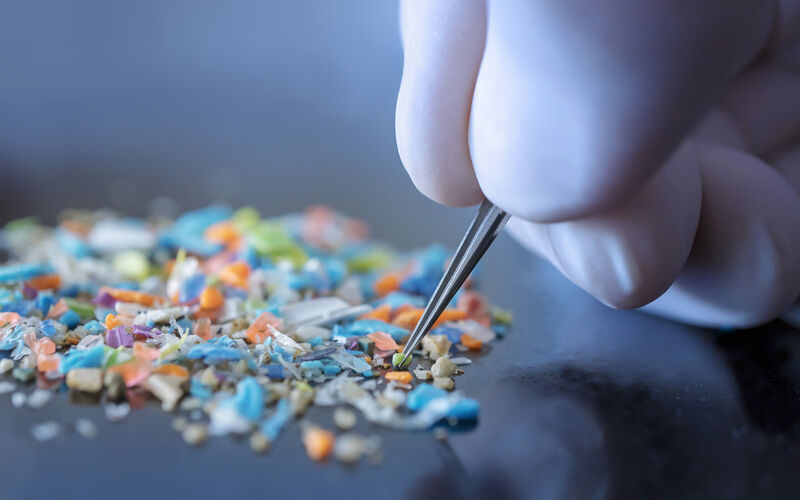

Microplastics Found in Human Brains, Study Reveals
A new study has found that microplastics are present in human brains, prompting further investigation into their potential links to cancer. The research, published in Nature, highlights the widespread presence of plastic pollution and its detection in human organs, including the liver, kidneys and brain.
Researchers looked at human brain tissue to detect and isolate microplastics and smaller nanoplastics by using a method that dissolves brain tissue to leave behind plastic residues. They found that an average human brain sample contained about 10 grams of microplastics.
Microplastics, which originate from the breakdown of plastic waste, have already been detected in food, water and air. Their presence in the brain has led researchers to explore potential health implications, including whether these particles contribute to cancer risk. Studies on animals suggest that microplastics can accumulate in blood vessels, cause inflammation and potentially disrupt cellular functions in ways that may lead to tumor formation.
The long-term effects of microplastics on human health remain unclear. Preliminary research has examined potential links to various diseases, including heart disease, kidney damage and neurological disorders such as Alzheimer’s. Recent findings suggest that prolonged exposure to microplastics could also increase the risk of cancer by introducing harmful chemicals and promoting chronic inflammation.

Kathleen Egan, ScD
Kathleen Egan, ScD, an epidemiologist at Moffitt Cancer Center, emphasized the challenges in studying microplastics’ potential role in cancer development.
“There’s no cookbook at this point. There’s no manual of standard operating procedures,” Egan said. “We’re having to make them up as we go, and it’s a process.”
Egan also highlighted concerns about contamination in research, adding that plastics are present in nearly all laboratory equipment.
“Every part of the procedure to take tissue samples involves plastic components,” Egan said. “Researchers must characterize these background levels to distinguish the signal from the noise.”
The study comes at a time when global efforts to regulate plastic pollution are increasing. Countries worldwide are negotiating a plastics treaty under the United Nations, which could include measures to cap plastic production and reduce environmental contamination.
As research continues, scientists aim to better understand the potential cancer risks associated with microplastic exposure and inform efforts to address plastic pollution and its broader environmental impact.