
Moffitt Cancer Center Launches Nation’s First Oncology Focused Venture Studio
Moffitt Cancer Center has launched AccelerOnc Studio, a new initiative designed to turn cutting edge cancer research into real world solutions for patients. It’s the first venture studio in the United States dedicated solely to cancer care.
Accelerating Real World Solutions
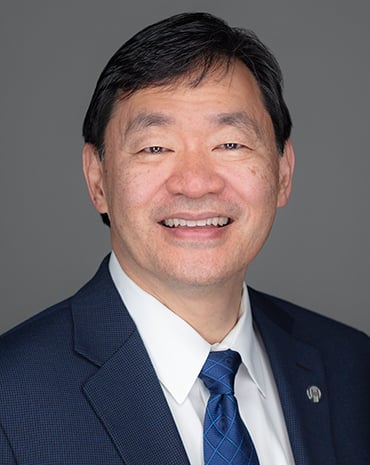
Patrick Hwu, MD
A venture studio is a company that builds other companies. Instead of waiting for outside startups to bring ideas forward, studios like AccelerOnc start with existing clinical insights, research and intellectual property, then develop new businesses from the ground up. The goal is to speed up the process of turning promising discoveries into tools and treatments that improve patient outcomes.
“Moffitt’s expertise and innovations can now be translated into ventures that improve cancer care globally,” said Patrick Hwu, MD, president and CEO of Moffitt. “This strengthens our ability to lead in a new era where digital technologies and artificial intelligence are transforming how we understand and treat cancer.”
Solutions for Clinical Needs
AccelerOnc Studio will begin by incubating companies based on Moffitt’s own pipeline of ideas, then expand to include partners across the oncology ecosystem. Areas of focus include diagnostics, therapeutics, digital health, AI and data-driven platforms.

Xavier Avat
“AccelerOnc has the essential ingredients for success,” said Xavier Avat, chief business officer at Moffitt. “We have the support of a world-class institution, a strong pipeline of intellectual property and the infrastructure to turn scientific discovery into scalable solutions.”
The studio is designed to bridge the gap between frontline care and startup innovation, helping new ventures emerge directly from clinical needs. “We’re leveraging Moffitt’s unparalleled clinical data and deep expertise to build ventures that can truly scale,” said Kamal Jethwani, MD, leader of AccelerOnc Studio. “These are the kinds of breakthroughs we believe will redefine the future of cancer care.”