

Moffitt Cancer Center To Offer Inpatient Hospice Services
Beginning April 1, nurses with Suncoast Hospice of Hillsborough, one of Empath Health’s seven Florida hospice programs, will offer care at Moffitt Cancer Center’s Magnolia campus. The team will assess patients and help with enrollment if the patient and their family members choose to proceed with inpatient hospice services.
Typically, a patient qualifies for hospice care when they have a terminal illness and a life expectancy of six months or less.
Once enrolled, the patient’s care team will continue providing hands-on care as Empath team members ensure the patient continues to meet inpatient hospice care criteria, such as a continuous intravenous pain control or high demands for supplemental oxygen.
“While we are experts in the care we provide, hospice is the expert in end-of-life care,” said Sean Powell, director of Social Work and Patient and Family Services at Moffitt. “Two years ago, our CEO Patrick Hwu, MD, made it a high-level priority for Moffitt to partner with a hospice agency.”
Historically, if patients could safely leave the hospital, Moffitt staff would provide the patient and family members with a list of local hospice agencies. The patient’s social worker would answer questions and provide guidance throughout the process.
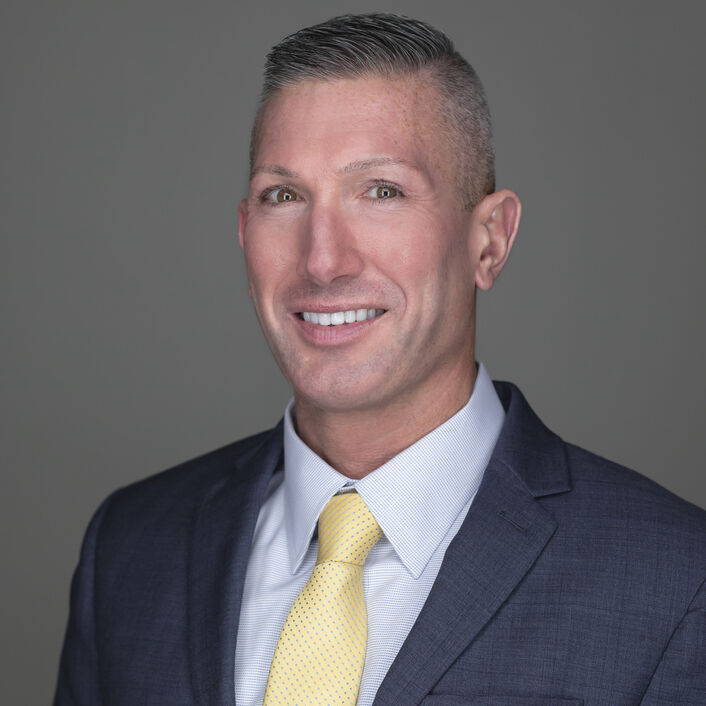
Now, an additional option will be the ability to receive hospice care directly at Moffitt without being transported to an outside facility.
“One of the biggest benefits of this partnership is the option for patients and their loved ones to transition from curative treatment to receiving compassionate end-of-life care while they continue maintaining relationships with their care team at Moffitt,” said Kerry Hoerner, Empath Health’s senior vice president, Hospice Division.
Before entering hospice care, many patients receive palliative medicine services from Moffitt’s Supportive Care Medicine Department before their cancer reaches a terminal status. According to department chair David Buxton, MD, the team will collaborate closely with those providing hospice services to patients.
“In this role, we will want to ensure that our hospice colleagues have as much information from us about how a patient’s pain or nausea had been managed to provide a good starting point,” he said. “In addition, many patients and families have established relationships with us, so we will continue to see them daily at the end of life to ensure they have as much support as possible in a difficult period.”
Patients and their family members enrolled in inpatient hospice will receive additional aid, such as bereavement services up to 13 months after the patient passes away and access to chaplaincy care services.