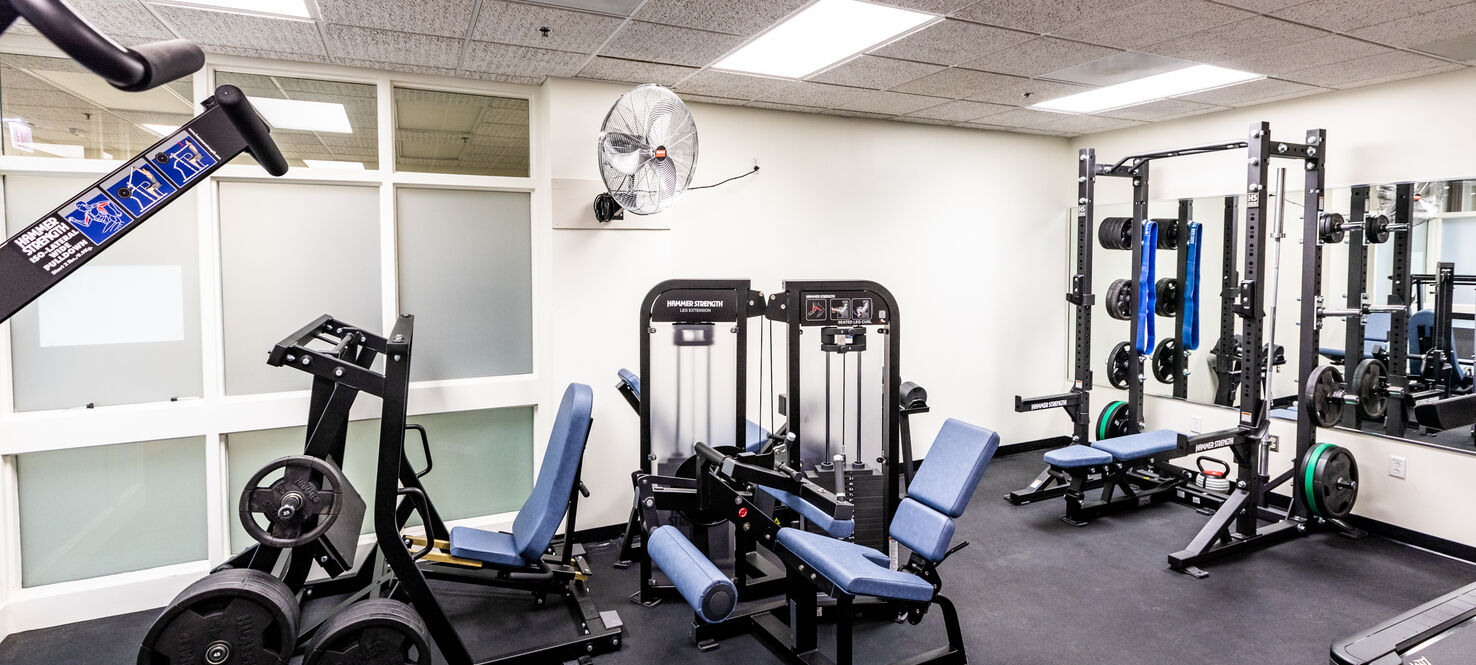
Moffitt Exercise Researchers Boosting Strength During Cancer Treatment
Morgan Bean was a 20-year-old college student studying athletic training when she met an opponent that would scare even the toughest of her athletes: cancer.
In 2012, she noticed a little bump on the inside corner of her eye that would change size and color, sometimes causing blurry vision. A visit to the eye doctor and surgery to remove the lump led to a diagnosis of marginal zone lymphoma, a rare and slow-growing type of non-Hodgkin lymphoma that affects lymphoid tissue.
Bean was treated with immunotherapy, and the experience caused a shift in her future goals.
“I decided to go to graduate school knowing that I wanted to work with people in the same circumstances. I took courses in special populations and one of the topics was cancer,” Bean said.
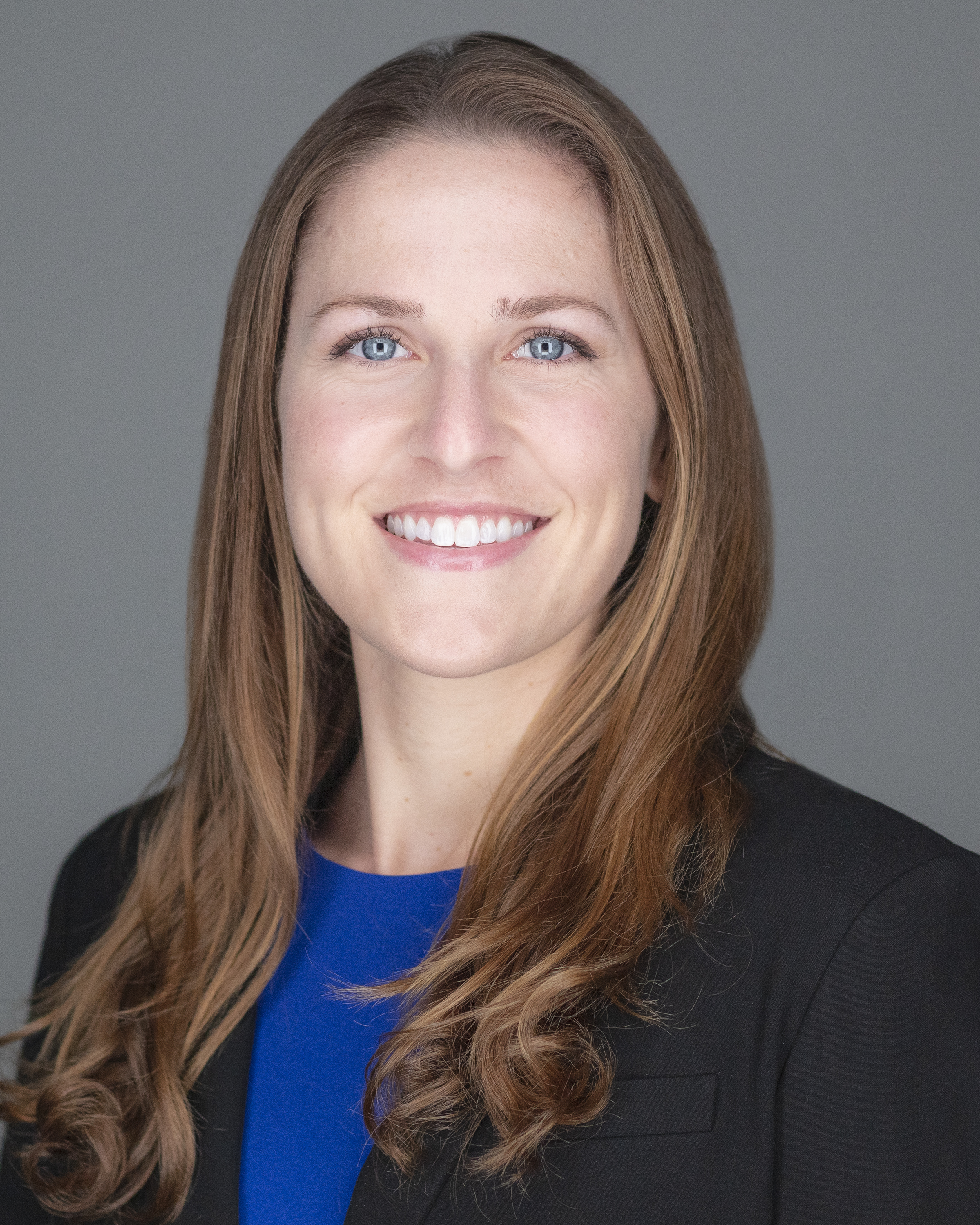
She finished graduate school with a master’s in kinesiology and a personal training certification. She began the hunt to find the perfect job to fuel her passion to help cancer patients through fitness.
Bean was working in the Patient Library at Moffitt Cancer Center when her cancer returned in 2021. She underwent radiation treatment, and in 2023 the perfect job opportunity came her way. Moffitt had just opened its Population Engagement and Research Laboratory, which includes an exercise facility for conducting research on how physical activity and resistance training can improve cancer outcomes. The Non-Therapeutic Research Office was looking for a research coordinator to help organize and lead the studies.
Today, Bean and her team have a handful of open studies investigating how “prehabilitation” can impact cancer treatment and survival for different groups of patients such as older liver cancer patients preparing for surgery, older adults preparing for CAR T-cell therapy and gastrointestinal cancer patients undergoing chemotherapy and radiation prior to surgery.
The program provides resistance bands to participants and Bean leads them through training sessions twice a week through Zoom. They also encourage certain patients to incorporate aerobic exercises like walking into their routine.
“There are so many benefits for exercise and physical activity, as we all know,” Bean said. “It can help maintain or increase bone density and muscle mass. It has a big mental health benefit, helping people feel more confident or independent. It’s something fun to focus on and putting more focus on wellness instead of the other challenges they have going on.”
As much as Bean gives to the patients, she gets back.
“I love working with patients and seeing how they feel once they finish the exercises and start progressing. I can see they are starting to feel better and become more confident in their abilities.”
Her best advice for cancer patients wanting to get active is to start with an exercise and intensity level you are comfortable with. Then start increasing repetitions and duration based on how you feel.
“Never do more than you feel comfortable with, but even 10 minutes of walking is better than zero and can lead to your goal of 150 minutes of moderate exercise a week,” Bean said.
Bean also recommends adding resistance training into your routine twice a week. Try these six exercises to target major muscle groups to maintain strength during treatment.