
Moffitt Launches Consultation Program for Young Patients
In 2010, Suyin Cheam was studying for the Medical College Admission Test. The then-24-year-old was reading about disease cases, but she never thought she would become one herself.
Stabbing pain and a lump above her collarbone were written off as an infection at a walk-in clinic, but her symptoms got worse. Her nursing school roommate thought something else was wrong.
“She opened her textbook and said, ‘This sounds like lymphoma,’” Cheam said.
Cheam was eventually diagnosed with stage 3 non-Hodgkin lymphoma and ordered to start chemotherapy and radiation.
“At first, it didn’t fully register because I was so accustomed to being on the other side of patient care when shadowing doctors,” Cheam said. “But it was devastating. I had to move back home, and my academic momentum came to a sudden halt.”
Not only was her career put on hold, but also a potential family. Her local oncologist never brought up fertility preservation, and she canceled her first chemotherapy appointment when she learned that treatment could affect her ability to have children. She sought help from a reproductive physician but was told the process would take too long and her cancer was growing too quickly to delay treatment.
Cheam had to make a choice.
Young Patients and Fertility
Adolsecent and Young Adult (AYA) patients are between ages 15 and 39 and experience unique needs such as financial challenges, psychosocial barriers and fertility preservation.
In the U.S., almost 90,000 AYA individuals are diagnosed with cancer each year. Up to 80% of them are affected by infertility after treatment.
A 2024 study published in JAMA Network Open found that while 70%-75% of AYA cancer survivors are interested in parenthood, only half report getting fertility counseling and preservation options prior to treatment.
“In addition to having a larger number of AYA patients, our treatments are getting better and survivorship is increasing. We encourage patients by telling them not to delay treatment and to make their cancer therapy their highest priority so they can return to a normal life after treatment. However, fertility planning is best addressed now before treatment starts,” said Lindsay Manley, a nurse practitioner at Moffitt Cancer Center.
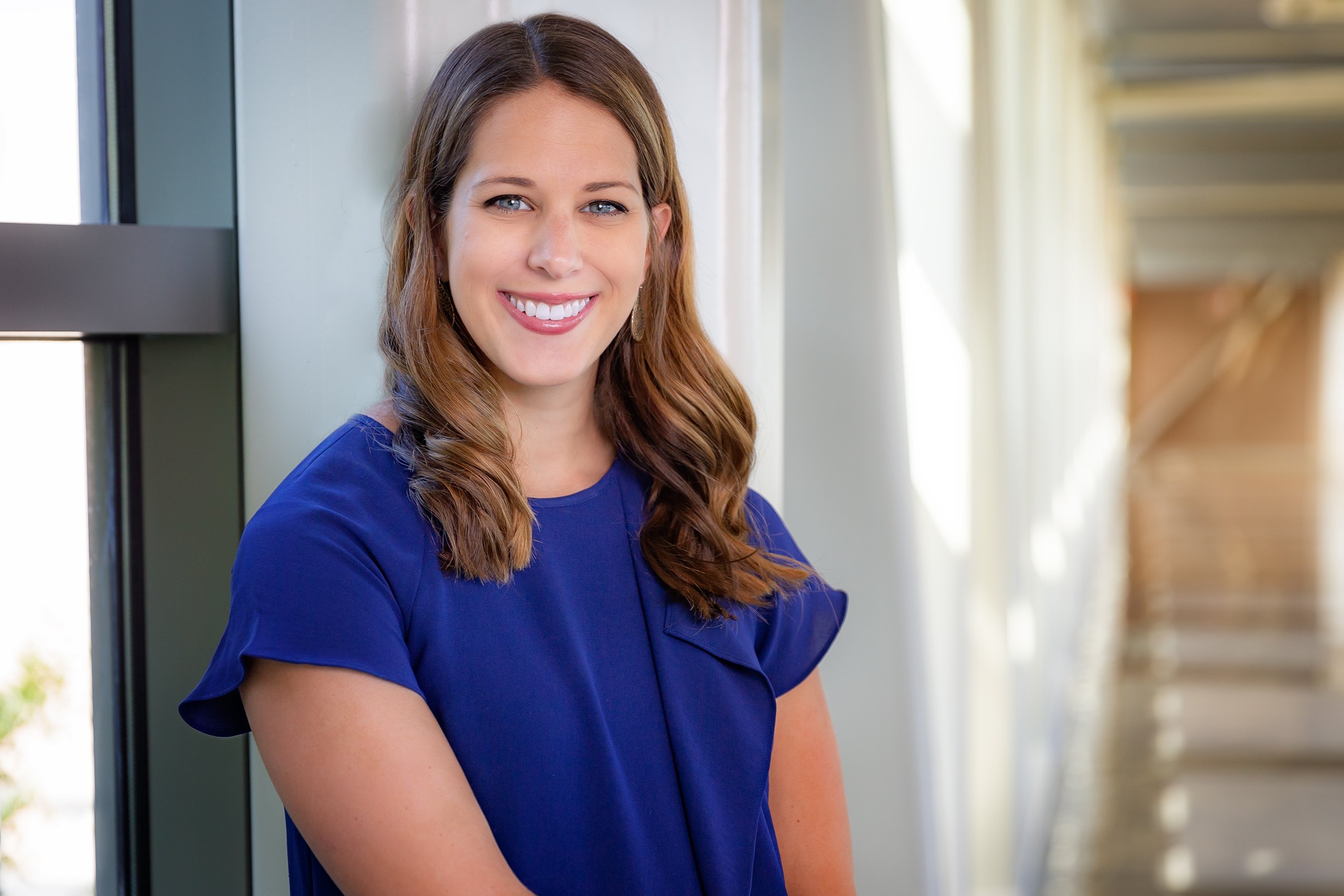
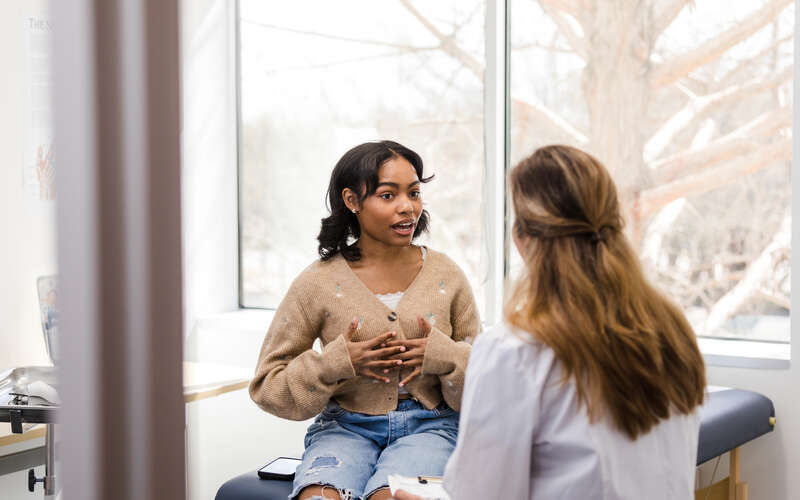
Manley is spearheading the AYA consult pilot program. She offers one-on-one appointments with AYA patients to discuss fertility and provide additional resources and appropriate referrals for genetics, psychosocial challenges and survivorship.
“I tell them this is the appointment where you get to talk about everything else except for cancer,” Manley said.
Currently the program is offering consults to AYA patients with breast, gastrointestinal and genitourinary cancers. Manley says fertility is always a popular topic.
“They get excited when you tell them it’s a possibility. They are overwhelmed with the diagnosis. When asked if they want to have a baby in the future, a lot of them light up with hope and renewed encouragement. They didn’t know that would be an option,” Manley said.
If a patient is interested in fertility preservation, Manley can help get the process started. It takes about two weeks for female patients, so she understands the importance of working quickly.
“This is just another phone call they have to make, so if we can take this off their plate, we do,” she said.
Suyin Cheam found her way to Moffitt after her treatment when she was looking for survivorship resources. She is in remission, but struggles with autoimmune disorders, brain fog and chronic fatigue caused by her treatment. Because fertility preservation was not addressed before she began chemotherapy and due to additional chronic health conditions, including Lyme disease, the process has since become more complex and delayed.
“I felt overwhelmed and wasn’t sure where to start or who to turn to for guidance, especially given the complexity of my medical history,” Cheam said.
After becoming involved in the AYA program, Cheam asked AYA Program Administrator Stephanie Avakian for fertility resources. She quickly connected Cheam to Manley.
“She was compassionate, patient and welcomed all of my questions,” Cheam said. “I am grateful she is passionate about helping me improve my quality of life.”
‘Never Too Late’
Moffitt is one of the only health care organizations in the area offering these types of consultations.
“This is a really forward-thinking thing that we are offering to people that they wouldn’t be able to get elsewhere. We are starting to focus more and more on comprehensive and survivorship care,” Manley said.
With dual board certifications in women’s health and advanced oncology, Manley has spent most of her career in women’s oncology, so she has always had an interest in fertility. She noticed patients in the clinic were getting younger and younger, and when her best friend passed away from cancer at age 38, she felt an even stronger pull to help AYA patients.
Within the first month of launching the AYA consult program, Manley saw about seven patients. She works full time seeing patients at Moffitt at Southshore and has two virtual appointments a week for the AYA consultations. She hopes to be able to expand the program in the future. 
Suyin Cheam, left, cheered on participants at Miles for Moffitt alongisde fellow AYA patient Amanda Brunson.
Cheam says her visit with Manley was invaluable and wishes a program like this had been available when she was first diagnosed. Manley is also helping Cheam manage her long-term side effects and be proactive with her various scans. Cheam is determined to regain her health so she can dive into a career helping others and potentially build a family one day.
“Despite feeling behind in life after cancer, ongoing chronic illness and other profound challenges I’ve had to navigate, Moffitt gives me hope that it’s never too late and that building a family may still be possible.”