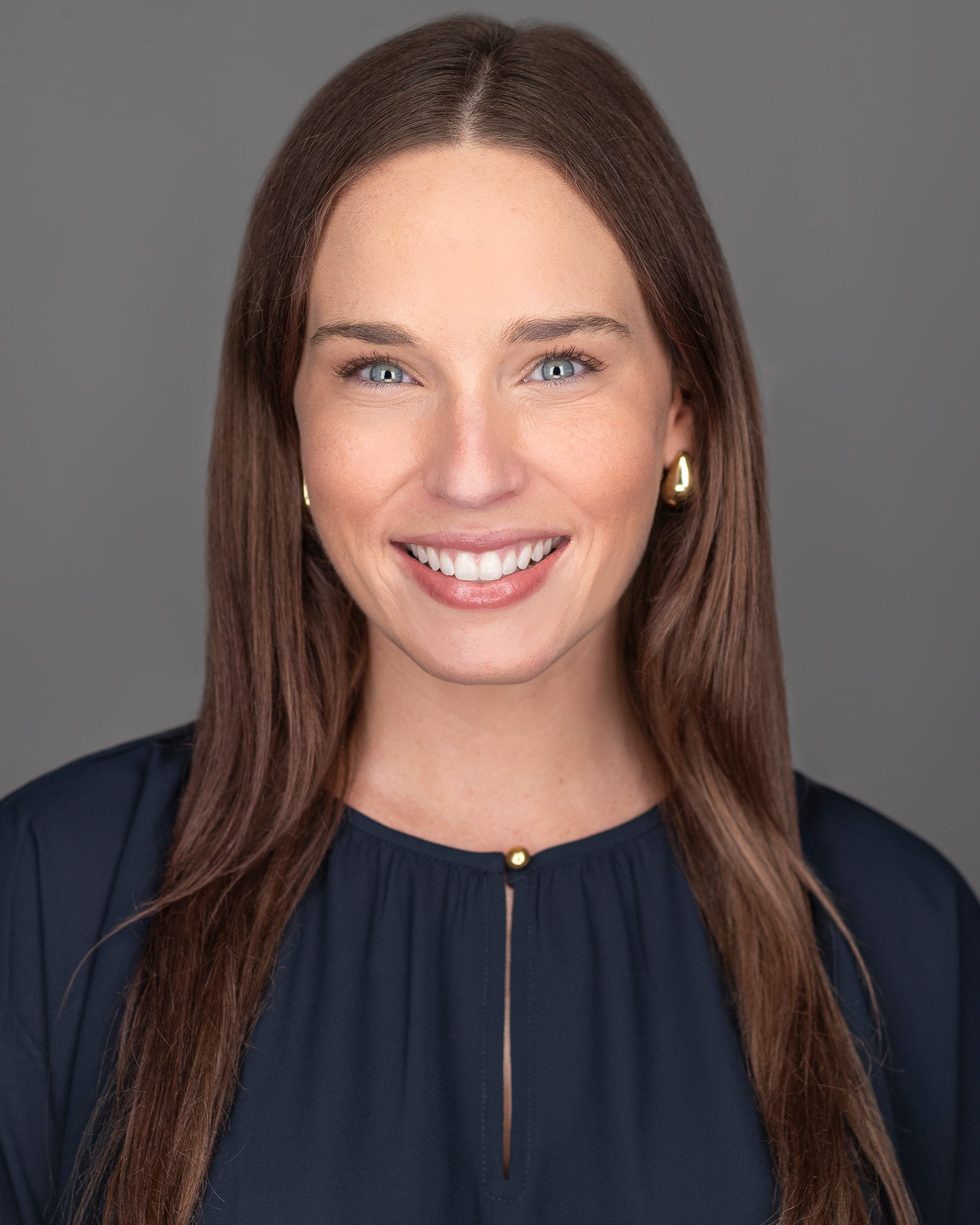

Moffitt Social Worker Shares Personal Caregiver Journey
As a social worker at Moffitt Cancer Center assigned to the Urgent Care Clinic, Alexis Youdelman connects with around 60 to 100 patients each month.
She provides support to patients, family members and caregivers for a variety of resources such as transportation and lodging, understanding emotions and ways to cope with a diagnosis and talking to your children and family about your diagnosis.
Youdelman shares the personal reason that inspired her to become a social worker at Moffitt.
An Unexpected Passion
As the daughter of a mother who built her career within the complex child welfare system, my gravitation toward social work came naturally. Growing up, I witnessed empathy, compassion, and advocacy in action every day, and I recognized those same qualities reflected in my own values and aspirations.
With the many avenues available within the profession, I knew social work was the ideal field to merge my goals, strengths and commitment to meaningful impact. After a professor’s recommendation and a transformative field placement with hospice, I discovered an unexpected passion for medical social work.
I could expand endlessly on what first connected me to this specialty, but what feels far more powerful is reflecting on “my why”— the deeper purpose that has kept me grounded in this work.
A Perspective Shift
During a time in my career when I was ensuring that patients and their loved ones felt supported, informed and empowered during some of life’s most challenging transitions, I faced one of the most difficult experiences of my own life.
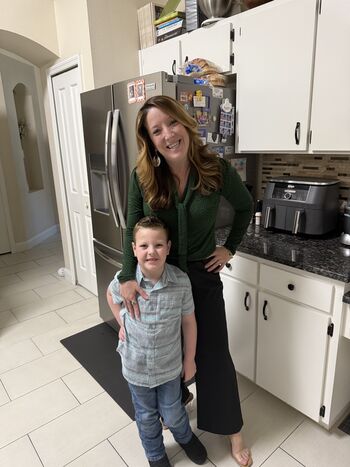
Youdelman says she will always share a special bond with her son Colton.
I gave birth to a baby boy who was diagnosed with a heart defect. My role shifted overnight from medical professional to patient and caregiver. It is one thing to understand the medical system from the perspective of a provider, yet it is an entirely different experience to navigate it as a parent.
After a 42‑day stay in the children’s hospital — marked by multiple resuscitations, a brain bleed, severe infections, catheterization, open‑heart surgery and the placement of a feeding tube — the overwhelming reality of managing complex, ongoing care became unmistakably clear as we were finally discharged home.
I experienced firsthand the frustrations of communicating medical necessities with insurance providers, managing numerous medications, coordinating constant appointments and adjusting to a completely new normal. Six years later, my role as Mom to a medically complex child continues to sustain and deepen my love for my work as a social worker.
Having personally navigated many of the same frustrations my patients face, I can now relate to their experiences in a deeper, more meaningful way, further reinforcing my belief in the vital importance of our advocacy.
The privilege of sitting beside patients and their loved ones during their most life‑altering and challenging moments remains one of the greatest blessings of this work. Additionally, working for an organization that genuinely values the role of social work in patient care has not only sustained but truly energized my “why.”