New CAR T-Cell Therapy Shows Promising Results for Advanced Multiple Myeloma
A new treatment for advanced multiple myeloma, called anitocabtagene autoleucel, or anito-cel, is showing promising results in early studies, offering hope for patients with this hard-to-treat cancer.
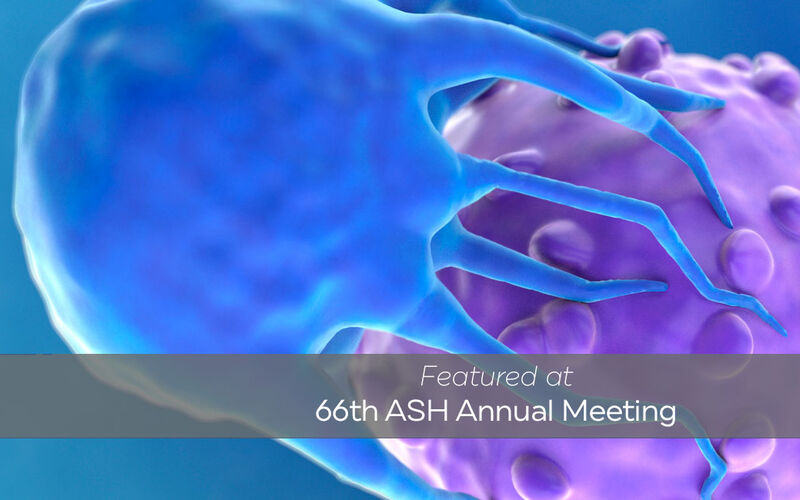
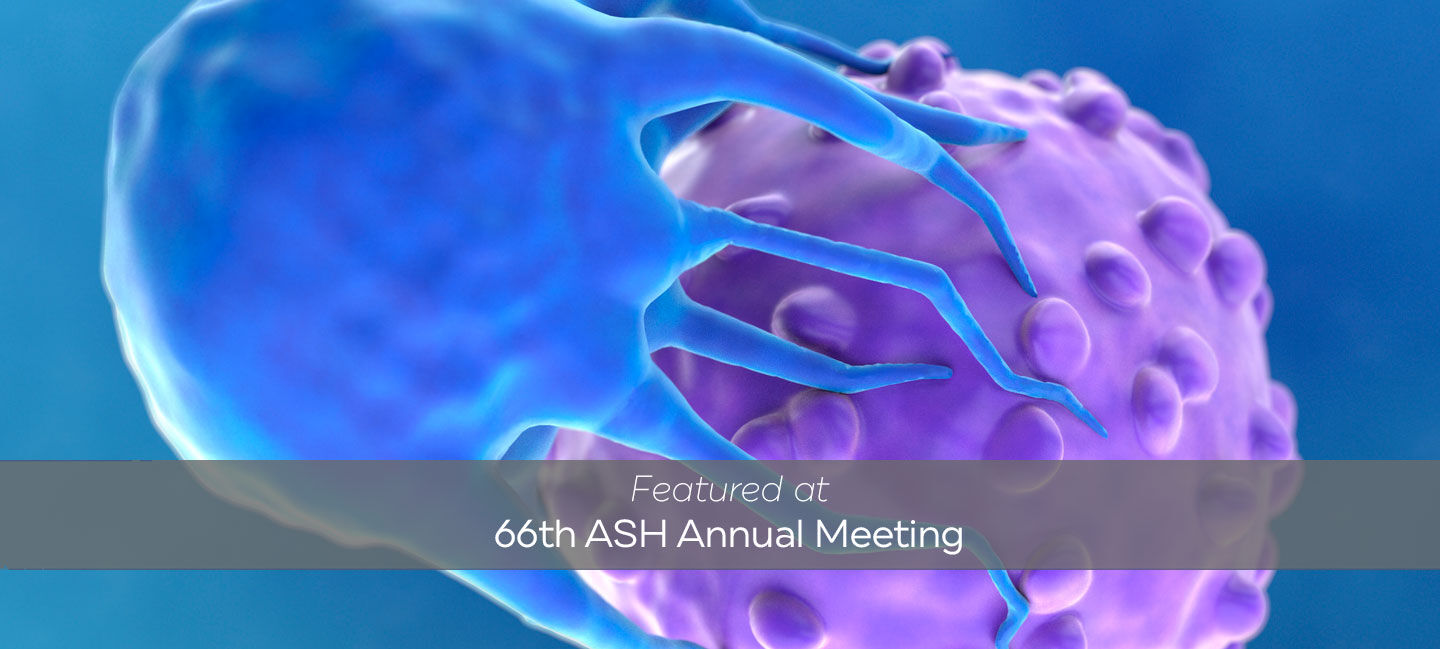
Anito-cel is a type of CAR T-cell therapy that uses a patient’s own cells that are modified in the lab to attack cancer. This therapy specifically targets a protein called B-cell maturation antigen found on the surface of myeloma cells. The idea is to train the patient’s immune system to recognize and destroy these cancer cells more effectively.
Results from an ongoing phase 2 clinical trial, called iMMagine-1, were updated at the American Society of Hematology annual meeting. The trial has completed enrollment of patients with relapsed and/or refractory multiple myeloma who had already tried at least three combinations of treatment.
Enrolled patients had advanced disease, with many being triple-class refractory, meaning they didn’t respond to the three main types of drugs used to treat myeloma. Despite this, anito-cel showed impressive response rates of 95%, with 62% of patients achieving a complete response. At a follow-up of around 10 months, 92% of patients who were tested for minimal residual disease were negative at the highly sensitive level, meaning these patients had no detectable cancer cells in their bone marrow.

“These early results are very encouraging for patients and continue to build on what we know about how effective these personalized therapies can be for patients with multiple myeloma, even in those with limited options after failing multiple prior treatments,” said Ciara Freeman, MD, PhD, a presenting author of the study and oncologist in the Blood and Marrow Transplant and Cellular Immunotherapy Department at Moffitt Cancer Center. “Anito-cel has the potential to be a powerful treatment option for patients.”
At an early data cutoff in June 2024, the estimated six-month progression-free survival rate was 90%, and the overall survival rate was 95%, suggesting that anito-cel can keep cancer under control for a long time.
From a safety standpoint, 84% of patients experienced some level of cytokine release syndrome, a condition where immune cells release too many chemicals into the bloodstream, causing flu-like symptoms. Nearly 80% had mild symptoms or no symptoms at all, and only 2% experienced severe cytokine release syndrome. This is a relatively low rate for severe cases, and most symptoms resolved quickly without long-term effects.
Another side effect that occurred was immune effector cell-associated neurotoxicity syndrome, which affected 9% of patients. The symptoms were mild to moderate, and all cases resolved without lasting problems. Most importantly, there were no reports of severe late onset non-immune effector cell-associated neurotoxicity syndrome neurological side effects, which can sometimes be a concern with CAR T-cell therapies.
The most common serious side effect was low blood cell counts, with 62% of patients experiencing low white blood cells, and 26% having anemia or low red blood cells and platelets.
The study will continue to follow patients for longer periods to confirm how long the treatment’s benefits last. This could mean more good news for patients with advanced multiple myeloma, offering hope for better outcomes and a stronger chance at remission.