New Cervical Cancer Screening Guidelines Include At-Home Test
The American Cancer Society has released new guidelines for cervical cancer screening, which include self-collection of vaginal samples as an option for human papillomavirus (HPV) testing.
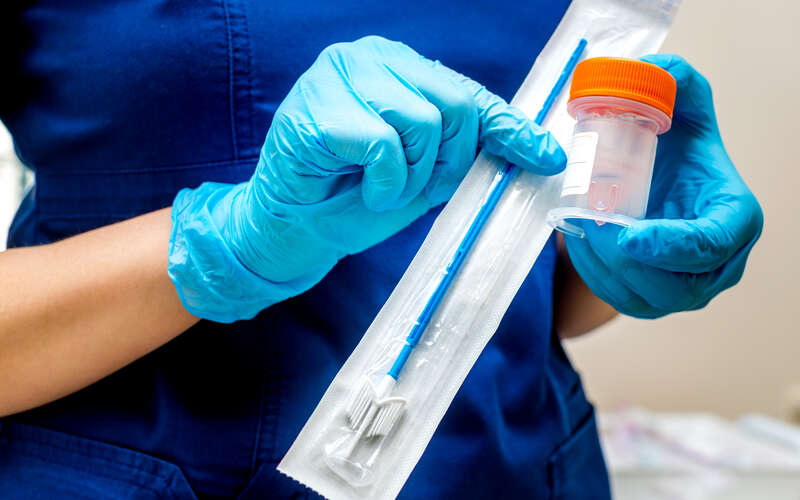
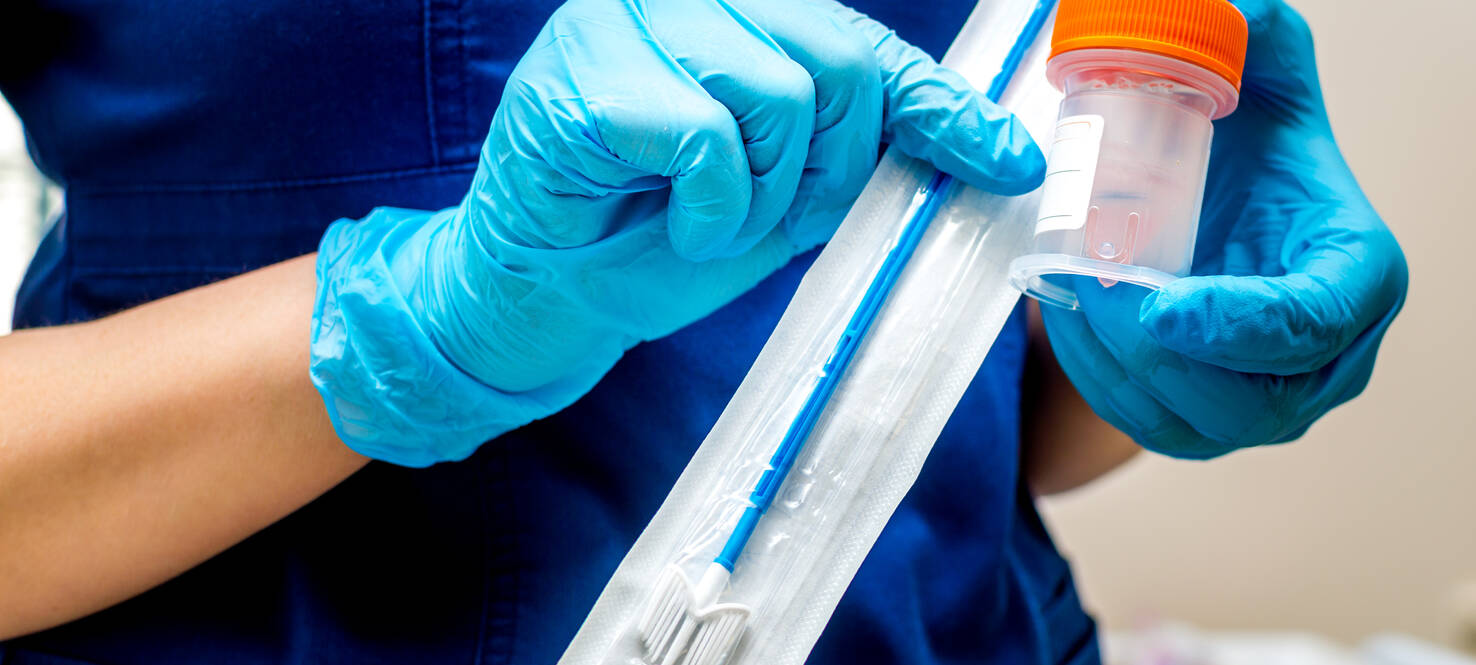
In May, the U.S. Food and Drug Administration approved the at-home screening test called Teal Wand. It is available for those aged 25 to 65 who are at an average risk of developing cervical cancer.
“There are currently several manufacturers of self-collected HPV testing,” said Anna Quian, MD, a gynecologist at Moffitt Cancer Center. “Whether the specimen can be collected at home or in a health care setting will depend on the manufacturer. Patients should reach out to their gynecology provider to find out what their specific process is.”

Women at average risk for cervical cancer are recommended to start screening for HPV, the leading cause of cervical cancer, at age 25 and continue until at least age 65. Depending on the test performed, screening should be done every 3 to 5 years.
Self-Collection Increases Access
The at-home test approval followed the FDA's approval of self-collection of HPV samples in settings such as primary care offices, urgent care facilities, mobile clinics, and pharmacies.
If the specimens from an at-home test are negative for HPV, screening with self-collection is recommended to be repeated every three years. However, clinician-collected cervical specimens during a Pap smear remain preferred and should be done every five years.
“As more data and technology emerge, recommendations will continue to evolve to incorporate new findings,” Quian said. “The overall goal is to continue refining safe and effective screening strategies.”
Right now, about 75% of women eligible undergo cervical cancer screening.
“The hope is that self-collected specimens will result in greater access to cervical cancer screening, particularly for those who have a hard time getting to a provider's office or have difficulty with the pelvic exam, for example,” Quian said.