
New Study Confirms Shorter Radiation Therapy Safe for Breast Cancer Patients Undergoing Reconstruction
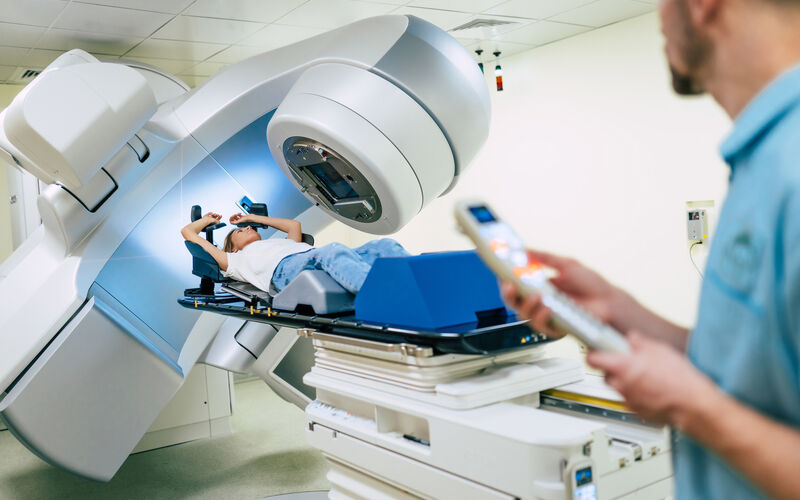
Breast cancer patients who undergo radiation therapy after a mastectomy can safely reduce their treatment time by nearly half, according to new research presented at the American Society for Radiation Oncology (ASTRO) Annual Meeting. The study found that a three-week course of radiation therapy is just as safe as the conventional five-week regimen, even for patients planning breast reconstruction.
Known as the RT CHARM trial, the study included nearly 900 participants from the U.S. and Canada. It is the first large-scale trial to show that shortening radiation treatment for post-mastectomy patients does not increase complications or affect long-term outcomes. Patients who completed a shorter, 16-session course of radiation experienced no more complications than those who received the standard 25-session regimen.
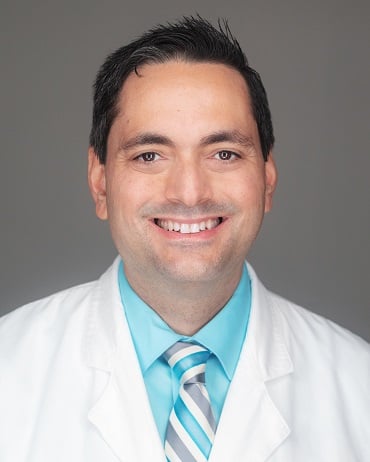
“This trial is a game changer for women facing both mastectomy and reconstruction,” said Roberto Diaz, MD, PhD, a radiation oncologist at Moffitt Cancer Center. “By cutting radiation treatment time in half, we can lessen the burden on patients without compromising their care.”
For years, patients undergoing breast reconstruction were excluded from trials testing shorter radiation schedules due to concerns that the accelerated doses could interfere with the healing process. However, this study found that complications, such as reconstructive failure, were comparable between the shorter and longer treatment groups.
In the study, only 14% of patients who received the shorter course of radiation experienced complications, compared to 12% in the longer group. The study also found that cancer recurrence rates were low and similar between the two groups. Three years after treatment, only 1.5% of patients who received the shorter therapy had a recurrence of cancer, compared to 2.3% in the longer treatment group.
“Cancer recurrence is always a major concern, but this study shows that a shorter treatment schedule is just as effective at preventing it,” Diaz said. “This is crucial because it allows us to offer a less disruptive option to our patients without compromising their outcomes.”
In addition to being safe, the shorter course of radiation therapy can have a meaningful impact on patients’ lives. Many patients live far from cancer treatment centers, making daily trips for five or six weeks a major challenge. The three-week option can significantly reduce travel time and out-of-pocket costs for patients.
“With this new data, we have the evidence to make shorter radiation treatment the standard for more patients,” Diaz said. “It’s a win for both effectiveness and convenience.”